

Maddy summaryHR 1376, the Healthy Poultry Assistance and Indemnification Act of 2025, provides compensation to poultry growers and layer facility owners whose operations were prohibited within USDA-designated "control areas" due to animal health restrictions. It directly affects poultry farmers raising birds bred for meat or eggs (like chickens, turkeys, or ducks), excluding doves and pigeons. The bill requires the Secretary to pay compensation equal to the average income from the farm's five most recent flocks multiplied by the number of prohibited flocks, minus any prior state compensation received, with payments due within 60 days of a claim. This mechanism ensures financial support for farmers impacted by USDA-mandated restrictions without requiring judicial review of payment amounts.
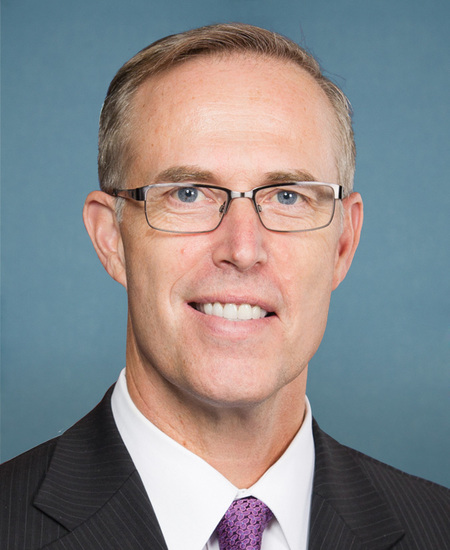
Rep. Jared Huffman
Sponsored bills
Maddy summaryHR 2207, the Saving DOE’s Workforce Act, prohibits the Department of Energy from implementing layoffs or involuntary separations of employees until after Congress enacts full fiscal year 2026 funding. It specifically protects federal workers in competitive service positions, career roles in excepted service, and senior executive leadership roles. The bill allows separations only for documented misconduct, inefficiency, or delinquency following standard disciplinary procedures, without affecting existing personnel authority.
Maddy summaryThe Air America Act of 2025 authorizes one-time payments of $40,000 to individuals who worked for Air America or its affiliated companies for at least five years during 1950-1976, or to their surviving spouses, children, or dependents. Additional payments of $8,000 per full year beyond five years are allowed. The program is capped at $60 million total funding, with claims required within two years of final regulations. Payments are a single lump sum with no ongoing benefits, and the bill explicitly states it does not create new entitlements beyond this one-time award.
Maddy summaryThis bill prohibits the National Science Foundation (NSF) from implementing layoffs or involuntary employee separations until after full-year funding for fiscal year 2026 is secured. It directly affects NSF employees in competitive service, excepted service, and the Senior Executive Service by blocking workforce reductions. The key provision creates a temporary moratorium on layoffs, with exceptions only for separations due to misconduct, inefficiency, or delinquency. This applies until Congress enacts the full FY2026 budget, adding a specific timeline to existing federal personnel rules.
Maddy summaryThe Saving NEMO Act of 2025 prohibits the trade and possession of certain vulnerable coral reef species within the United States. It designates species (like those listed under international trade agreements) as "covered" and bans their take, import, export, or sale without authorization, directly affecting businesses in the aquarium and curio trade. Exceptions exist for scientific research, approved breeding programs, and aquaculture facilities meeting strict conservation standards, but not for species collected using destructive methods like explosives or poison. Violations can trigger civil penalties up to $25,000 per incident or criminal charges, and citizens can sue to enforce the law.
Maddy summaryHR 2210, the Saving NASA’s Workforce Act, prohibits NASA from initiating or implementing reductions in force or involuntary separations of most employees until after full-year funding for fiscal year 2026 is enacted. It specifically protects employees in competitive service, excepted service, and the Senior Executive Service from being laid off, except for cause related to misconduct, inefficiency, or delinquency. The bill applies to all standard personnel actions under federal law and does not affect existing authority for disciplinary separations. This moratorium directly affects NASA’s workforce by preventing layoffs during the current funding cycle.
Maddy summaryHR 2209, the Saving NIST’s Workforce Act, prohibits the National Institute of Standards and Technology (NIST) from implementing layoffs or involuntary employee separations (except for misconduct, inefficiency, or delinquency) until after full-year funding for NIST’s fiscal year 2026 budget is enacted. The bill directly affects all NIST employees in the competitive service, excepted service, and senior executive roles by blocking workforce reductions during this period. Key provisions require NIST to maintain current staffing levels through the end of FY2026, unless Congress passes a full-year appropriations bill for that year. This is a procedural measure focused on preserving NIST’s current workforce structure, not creating new programs or altering funding levels.
Maddy summaryThe Saving NOAA’s Workforce Act (HR 2211) prohibits the National Oceanic and Atmospheric Administration (NOAA) from initiating layoffs or involuntary separations of most employees until after full-year funding for fiscal year 2026 is approved. It specifically blocks reductions in force or involuntary separations for competitive service, excepted service career employees, and Senior Executive Service members, except for cause (like misconduct or inefficiency). This bill directly affects NOAA’s workforce by preserving current employment status through the 2026 budget cycle.
Maddy summaryHR 2150, the TRACE Act, requires the National Missing and Unidentified Persons System to add a data field indicating whether a missing person’s last known location or unidentified remains were confirmed or suspected to be on Federal land (such as national parks or military bases), including specific location details. This affects federal land management agencies like the National Park Service and U.S. Forest Service, which must provide this data. The bill mandates an annual report to Congress starting in 2025, detailing the number of cases involving Federal land, broken down by agency. The key change is adding standardized tracking for federal land connections to improve data collection and reporting on missing persons cases.
Maddy summaryHRES 216 is a resolution condemning the leadership of the House Republican Conference for allowing a social media post that falsely questioned the immigration status and patriotism of Congressman Adriano Espaillat (Chairman of the Congressional Hispanic Caucus). The resolution specifically names House Speaker Mike Johnson, Majority Leader Steve Scalise, Majority Whip Tom Emmer, and other top Republican leaders as responsible for the post. It characterizes the post as xenophobic and inappropriate, stating such rhetoric violates the standards of conduct expected of members of Congress.