

Maddy summaryThe Endangered Species Transparency and Reasonableness Act of 2025 requires federal agencies to publish online the scientific data used to list species as endangered or threatened, with limited exceptions for state privacy laws or classified defense information. It also mandates a monthly updated, searchable database of federal spending on lawsuits related to the Endangered Species Act, including case details, involved agencies, and funds expended. This bill directly affects agencies like the Department of the Interior, Environmental Protection Agency, and National Marine Fisheries Service, as well as states, tribes, and local governments that provide data or are involved in litigation. The law aims to increase transparency in species listing decisions and federal spending on legal disputes under the Endangered Species Act.
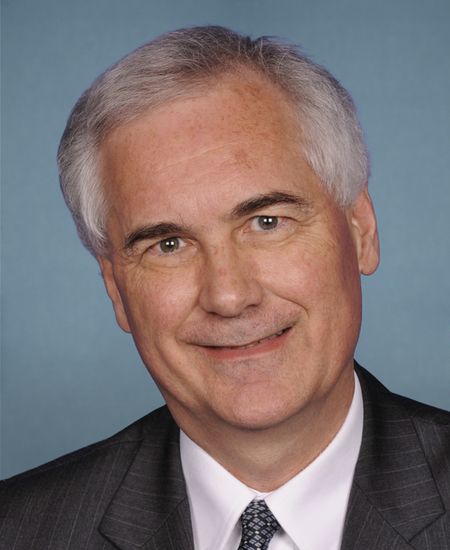
Rep. Tom McClintock
Sponsored bills
Maddy summaryHR 4382 authorizes the U.S. Mint to produce commemorative coins for the 2028 Los Angeles Olympics/Paralympics and 2034 Salt Lake City Winter Olympics/Paralympics. It specifies gold, silver, and half-dollar coin designs with defined mintage limits (e.g., up to 100,000 $5 gold coins for each event), all bearing inscriptions like "2028" or "2034" and standard coin features. A surcharge ($5-$50 per coin) is added to sales, with all funds directed to the respective Olympic committees to support event hosting and legacy programs like youth sports. The bill ensures no net cost to the government by requiring surcharge revenues to cover all design, production, and marketing expenses before funds are disbursed.
Maddy summaryHRES 516 is a formal resolution condemning the violent riots that occurred in Los Angeles, California, on June 6, 2025. It specifically addresses acts of arson, looting, property destruction, and attacks on law enforcement officers during protests related to federal immigration enforcement actions. The resolution does not create new laws or policies but expresses the House’s condemnation of the violence, calls on local and state leadership to collaborate with federal authorities to restore order, and thanks law enforcement agencies for their response. This is a symbolic statement with no direct impact on affected individuals or new legislative mechanisms.
Maddy summaryHRES 551 is a symbolic House resolution supporting the designation of "National Stop SuiSilence Day" on September 25th, during Suicide Prevention Month. It does not create new laws or policies but aims to reduce suicide stigma by encouraging open discussion about suicide prevention. The resolution cites statistics showing suicide as a leading cause of death (over 45,000 annual U.S. deaths) and emphasizes that talking about suicide can help save lives. It recognizes this day as a tool to engage communities and governments in suicide prevention efforts.
Maddy summaryThis bill exempts specific forest management activities in Yosemite National Park from standard environmental review requirements under the National Environmental Policy Act (NEPA). It directly affects park managers by allowing fuels removal (like brush clearing) and reforestation planning/execution without needing an environmental assessment or impact statement. The key mechanism is a "categorical exclusion," meaning these activities are automatically exempted from NEPA's review process. This change streamlines park operations for fire prevention and forest restoration work.
Maddy summaryHR 3940, the Open America's Waters Act, removes restrictions preventing foreign vessels from engaging in U.S. coastwise trade (shipping between U.S. ports). The bill amends Title 46 of the U.S. Code to eliminate the requirement that vessels must be "qualified under the laws of the United States" to receive a coastwise endorsement. Instead, foreign vessels meeting all applicable U.S. safety and security standards can now operate in coastwise trade. This directly affects commercial shipping companies, both domestic and foreign, by expanding eligibility for coastal shipping routes while maintaining safety and security requirements through new Coast Guard regulations.
Maddy summaryHRES 496 is a non-binding House resolution condemning violent riots in Los Angeles that occurred on June 6, 2025. It specifically addresses protests that turned violent after immigration enforcement actions, including arson, vandalism, attacks on officers, and burning American flags. The resolution recognizes the right to peaceful protest while unequivocally condemning violence against law enforcement and urging local/state leaders to collaborate with federal authorities to restore order. It also expresses gratitude to law enforcement agencies for protecting communities during the unrest. As a symbolic statement, it does not create new laws or directly affect any individuals or entities.
Maddy summaryThis bill proposes a constitutional amendment requiring a two-thirds vote in both the House and Senate to admit new states, replacing the current simple majority requirement. It would directly affect territories seeking statehood, such as Washington, D.C., or Puerto Rico, by raising the legislative threshold for approval. The key mechanism is the shift from a simple majority to a two-thirds vote in each chamber for new state admissions. This change would require broader bipartisan consensus before new states could join the Union.
Maddy summaryThis bill prohibits businesses from deducting wages paid to undocumented workers when calculating taxable income. It creates a safe harbor for employers using the E-Verify program: if they confirm employment eligibility through E-Verify, they may still deduct those wages. The law directly affects employers who hire undocumented workers, removing a tax benefit for such payments. It also establishes new data-sharing between the IRS, DHS, and Social Security to enforce compliance, with a 6-year audit window for improper deductions.
Maddy summaryHR 3548, the Infrastructure Expansion Act of 2025, changes liability rules for injuries on federally funded infrastructure projects. It prohibits "absolute liability" (where a party is automatically responsible regardless of fault) for elevation or gravity-related risks, requiring states to use "comparative negligence" instead (where fault is shared based on circumstances). This applies to projects receiving federal funding like construction, bridges, or transit systems, directly affecting contractors, property owners, and workers filing injury claims. The bill preempts state laws imposing absolute liability and directs federal courts to handle related cases, while leaving workers’ compensation laws unchanged. It takes effect for projects accepting federal funds on or after January 1, 2026.