

Issue · Labor & Employment
Labor & Employment
Every labor & employment bill, vote, and legislator stance in Nebraska, automatically classified by Maddy, our AI policy reader.
Total bills
93
109th Legislature (2025-2026)
Top supporter
John Cavanaugh
77% support rate
Top opponent
Bob Andersen
27% support rate
Ranked legislators
10
5 support · 5 oppose
Key legislators
Who's moving labor & employment in Nebraska
| Legislator | Party | Stance | Support rate | Votes |
|---|---|---|---|---|

John Cavanaugh
House · District 9
|
N |
Support
|
77% | 148 |

Megan Hunt
House · District 8
|
N |
Support
|
74% | 140 |

Wendy DeBoer
House · District 10
|
N |
Support
|
73% | 135 |

Terrell McKinney
House · District 11
|
N |
Support
|
71% | 140 |

Dan Quick
House · District 35
|
N |
Support
|
70% | 122 |
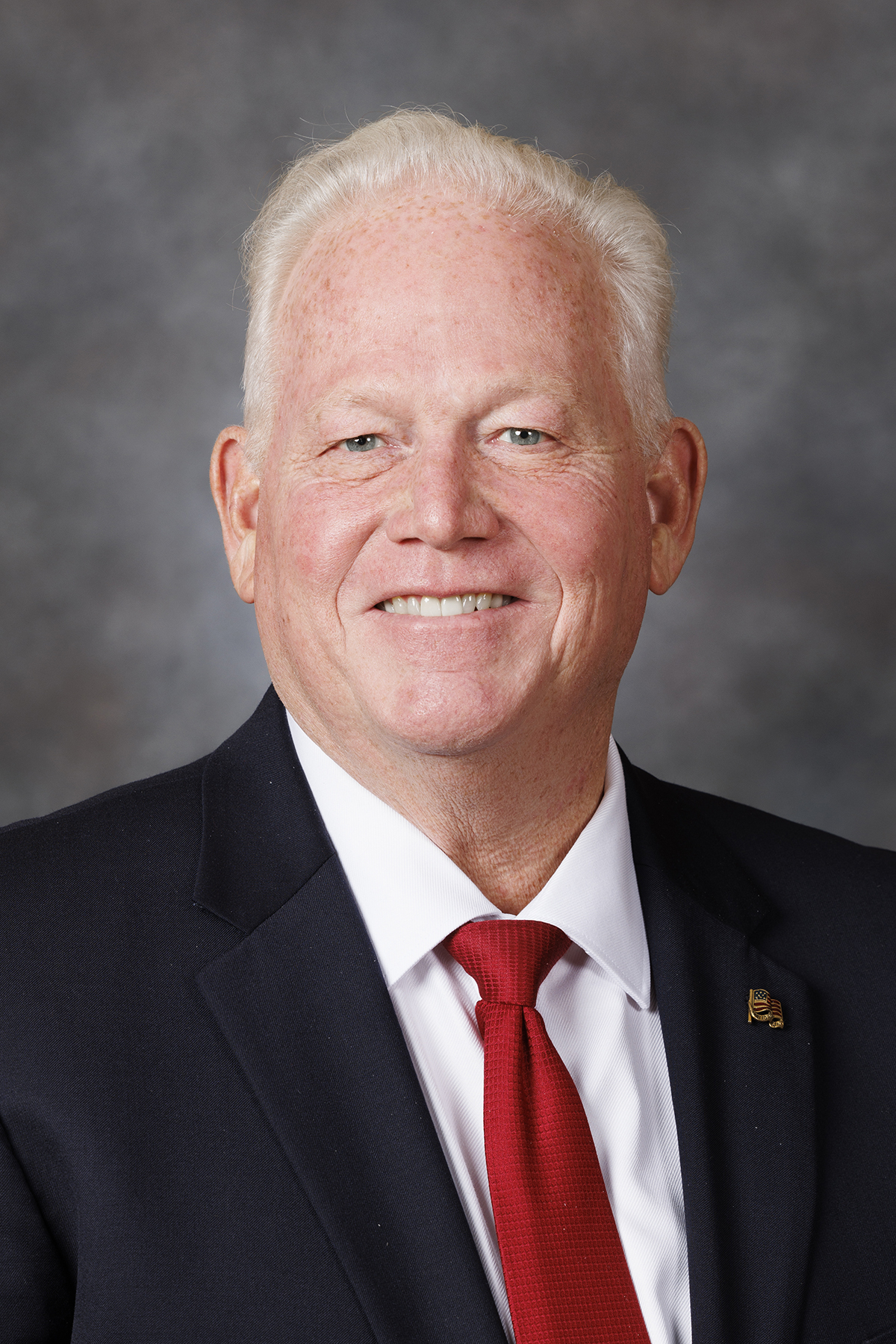
Bob Andersen
House · District 49
|
N |
Oppose
|
27% | 164 |

Merv Riepe
House · District 12
|
N |
Oppose
|
28% | 133 |

Brad von Gillern
House · District 4
|
N |
Oppose
|
29% | 156 |

Rick Holdcroft
House · District 36
|
N |
Oppose
|
33% | 158 |
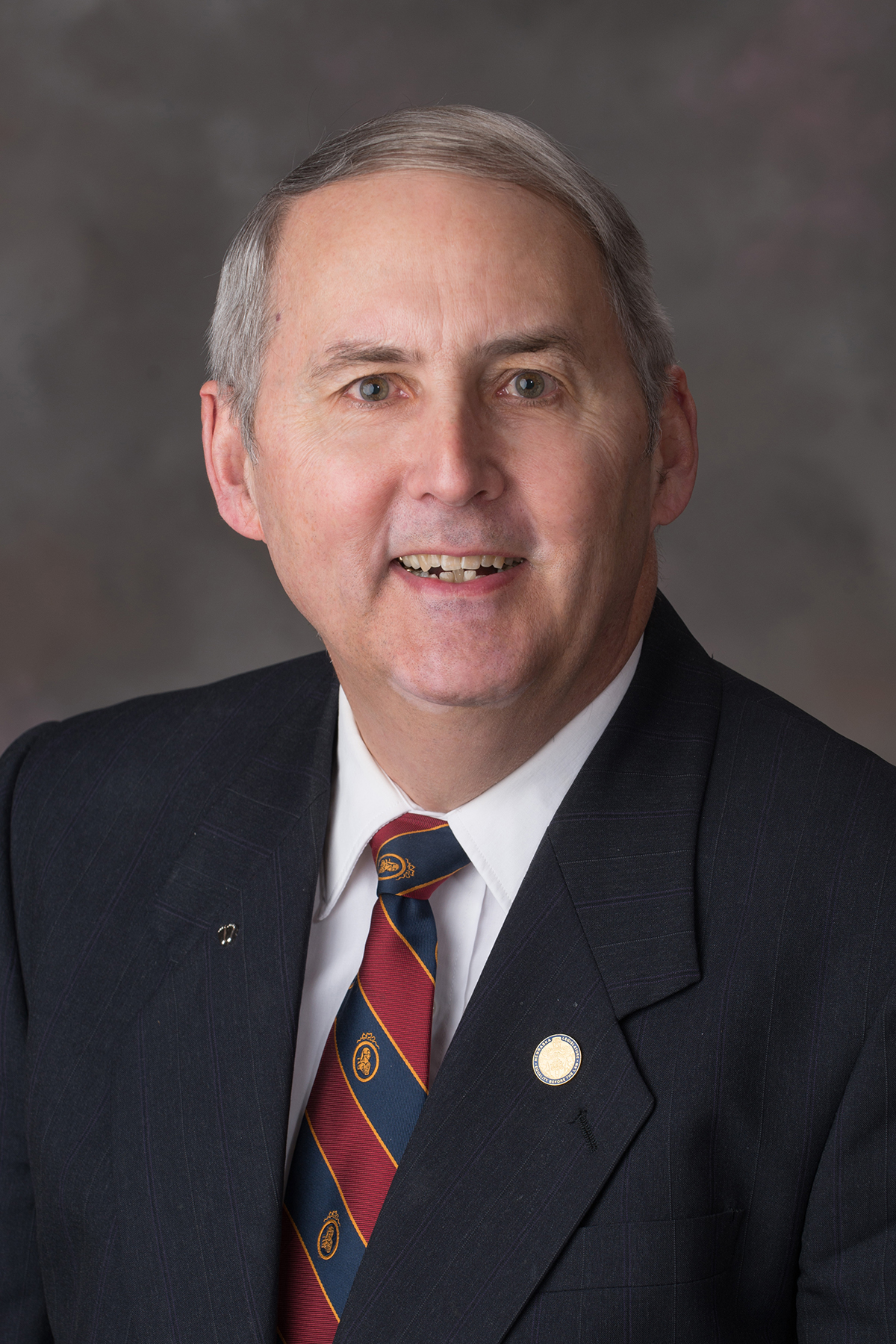
Rob Clements
House · District 2
|
N |
Oppose
|
33% | 165 |
Showing 51–60 of 93
bills
All labor & employment bills
LB 174: Change provisions relating to garnishment of wages for medical debt
Topics
✓ HealthcareSupports HealthcareReduces wage garnishment cap for medical debt from 15% to 10%, protecting patients from excessive debt collection and improving financial access to healthcare services.
✓ Labor & EmploymentSupports Labor & EmploymentReduces wage garnishment cap from 15% to 10% for medical debt, protecting workers' disposable earnings from excessive deductions.
LB 710: Increase the earned income tax credit
Topics
✓ Budget & TaxesSupports Budget & TaxesIncreases state EITC rate from 10% to 20% for low/moderate-income residents, providing direct tax relief through enhanced refundable credit.
✓ HousingSupports HousingIncreases EITC for low-income residents, boosting disposable income to improve housing affordability and stability for eligible households.
✓ Labor & EmploymentSupports Labor & EmploymentIncreases Nebraska EITC rate from 10% to 20% for low-income workers, directly expanding financial benefits and raising disposable income for eligible residents.
LB 233: Require coverage for in vitro fertilization for state employees under the Nebraska State Insurance Program
Topics
✓ HealthcareSupports HealthcareMandates IVF coverage expansion under state insurance, increasing access to reproductive healthcare services for state employees.
✓ Labor & EmploymentSupports Labor & EmploymentMandates IVF coverage as an employment benefit for state employees, expanding health benefits under employment standards per bill's coverage requirements.
LB 678: State intent regarding appropriations to the Board of Trustees of the Nebraska State Colleges
Topics
✓ Budget & TaxesSupports Budget & TaxesAllocates state General Fund dollars for mandated employee costs including salary increases and healthcare, directly funding essential budget obligations for public colleges.
✓ EducationSupports EducationAllocates funds for mandated salary increases and employee costs at Nebraska State Colleges, directly supporting higher education funding and staff compensation.
✓ Labor & EmploymentSupports Labor & EmploymentFunds mandated salary increases from union agreements and minimum wage adjustments under Wage and Hour Act, directly supporting worker compensation and collective bargaining agreements.
LB 164: Adopt the Urban Development Incentive Act
Topics
✓ Budget & TaxesSupports Budget & TaxesCreates state grant program allocating $3.5M max per project for affordable commercial development, directly increasing state spending on economic development in distressed areas.
✓ EnergySupports EnergyBill promotes sustainability features and green building certification, advancing energy efficiency in development projects.
✓ HousingSupports HousingDirectly funds affordable commercial space development and rehabilitation in distressed areas through state grants, targeting affordability goals.
✓ Labor & EmploymentSupports Labor & EmploymentBill explicitly includes 'job training' as a funded category under its grant program, directly supporting workforce development and employment standards within the urban development initiative.
Sub-Topics
Tax Incentives
Property Development
Professional Licensing
Unemployment
Workforce Development
LB 486: Require the Department of Health and Human Services to implement standards for reimbursement for certain service providers
Topics
✓ HealthcareSupports HealthcareRequires standardized reimbursement rates for elderly/disabled care providers, aligning with study findings to ensure adequate funding and service continuity under healthcare waiver program.
✓ Labor & EmploymentSupports Labor & EmploymentMandates reimbursement rate for personal care providers matching a 2022 study and requiring biennial adjustments, ensuring fair compensation for workers in this sector.
LB 254: State legislative intent to transfer funds for workforce housing
Topics
✓ Budget & TaxesSupports Budget & TaxesTransfers $50M from General Fund to housing fund, increasing state funding for public service (workforce housing) via budget allocation.
✓ HousingSupports HousingBill allocates $50M ($25M/year) for workforce housing grants under Rural Workforce Housing Investment Act, directly funding affordable housing initiatives in rural communities.
✓ Labor & EmploymentSupports Labor & EmploymentAllocates $50M for rural workforce housing grants, directly supporting worker housing needs and employment stability through state funding.
Sub-Topics
Affordable Housing
LB 699: Change provisions relating to certain sales and use tax incentives under the ImagiNE Nebraska Act
Topics
✓ Budget & TaxesSupports Budget & TaxesProvides tax refunds for qualifying businesses under revised incentive program, advancing fiscal policy for economic development
✓ HealthcareSupports HealthcareRequires businesses to offer health insurance to full-time employees to qualify for tax incentives, expanding employee coverage under ImagiNE Act.
✓ Labor & EmploymentSupports Labor & EmploymentRequires 150% wage threshold and health insurance for tax incentive eligibility, advancing worker compensation standards
LB 617: Change provisions of the Nebraska Workers’ Compensation Act
Sub-Topics
Workers' Compensation