Issue · Education

Education (Higher Education)

Every education bill, vote, and legislator stance in Nebraska, automatically classified by Maddy, our AI policy reader.

Total bills
4
109th Legislature (2025-2026)
Top supporter
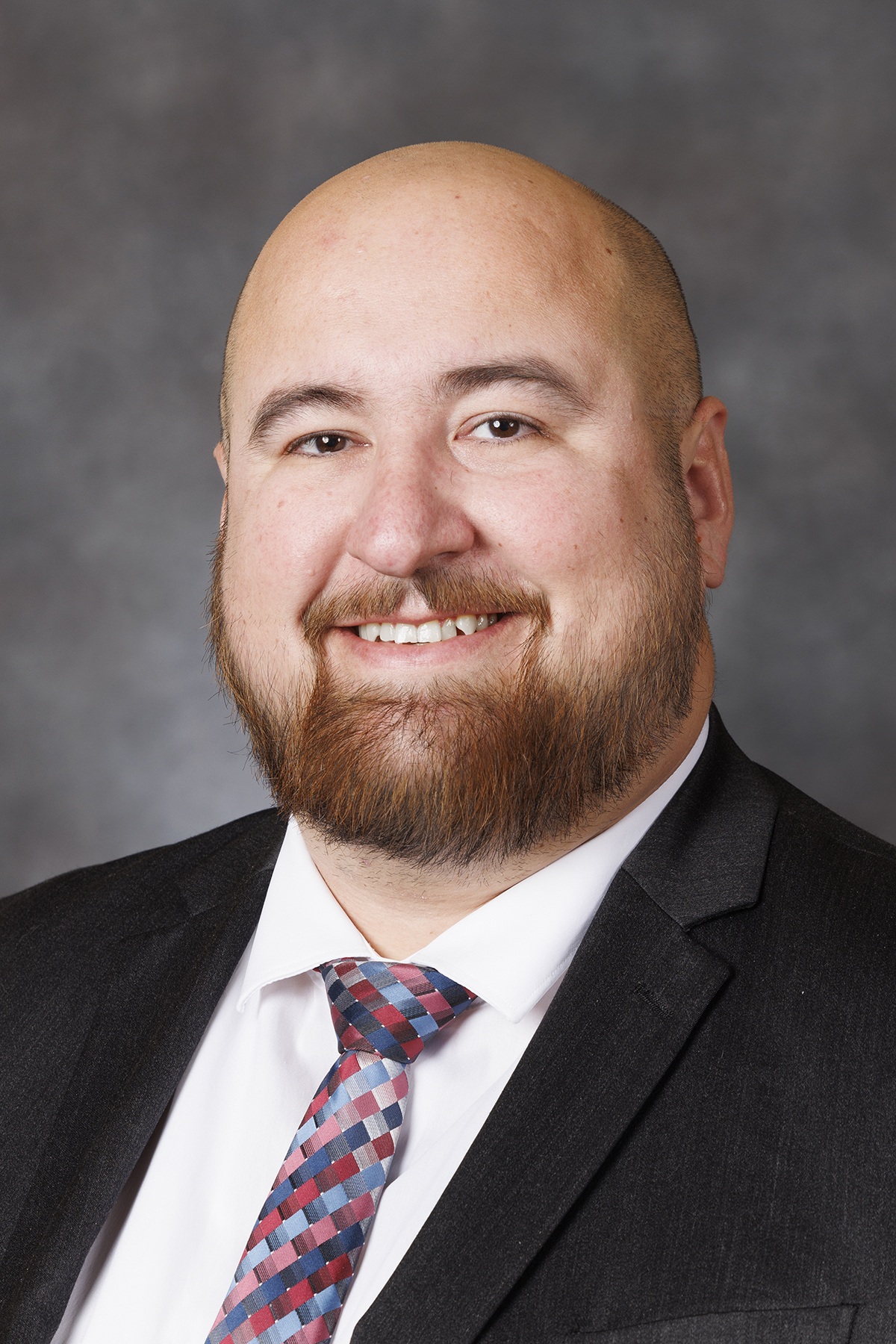
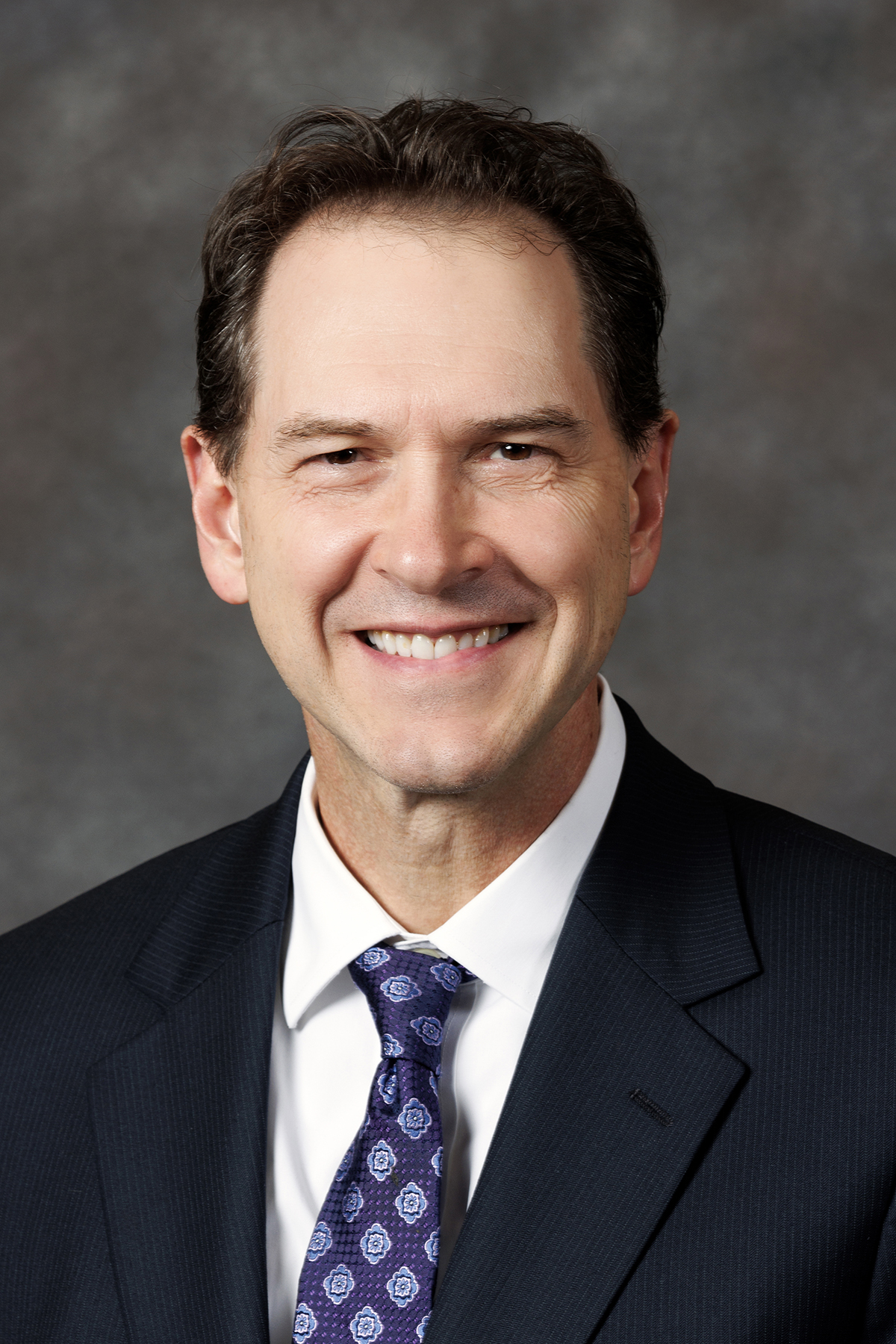
Danielle Conrad
100% support rate
Top opponent
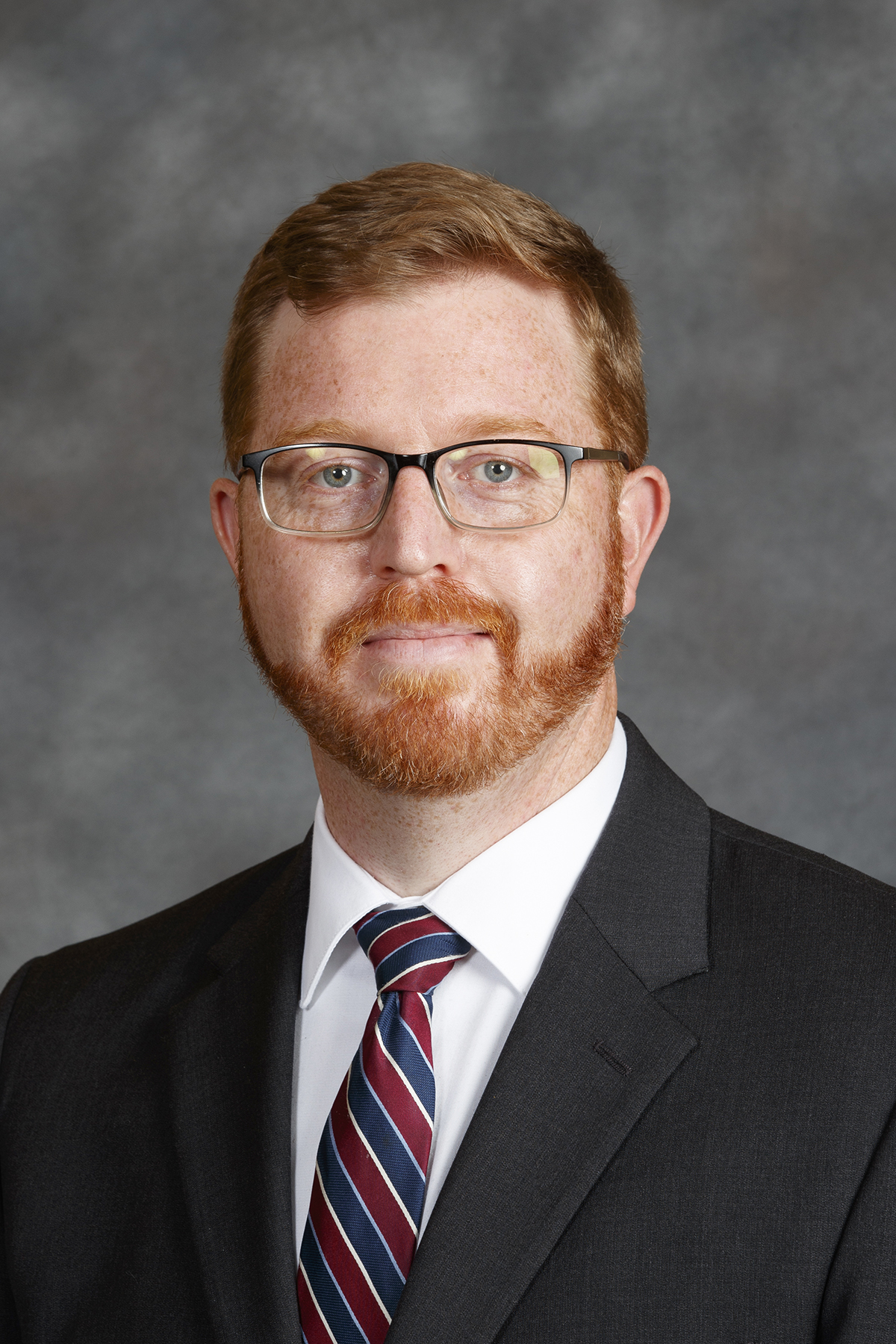
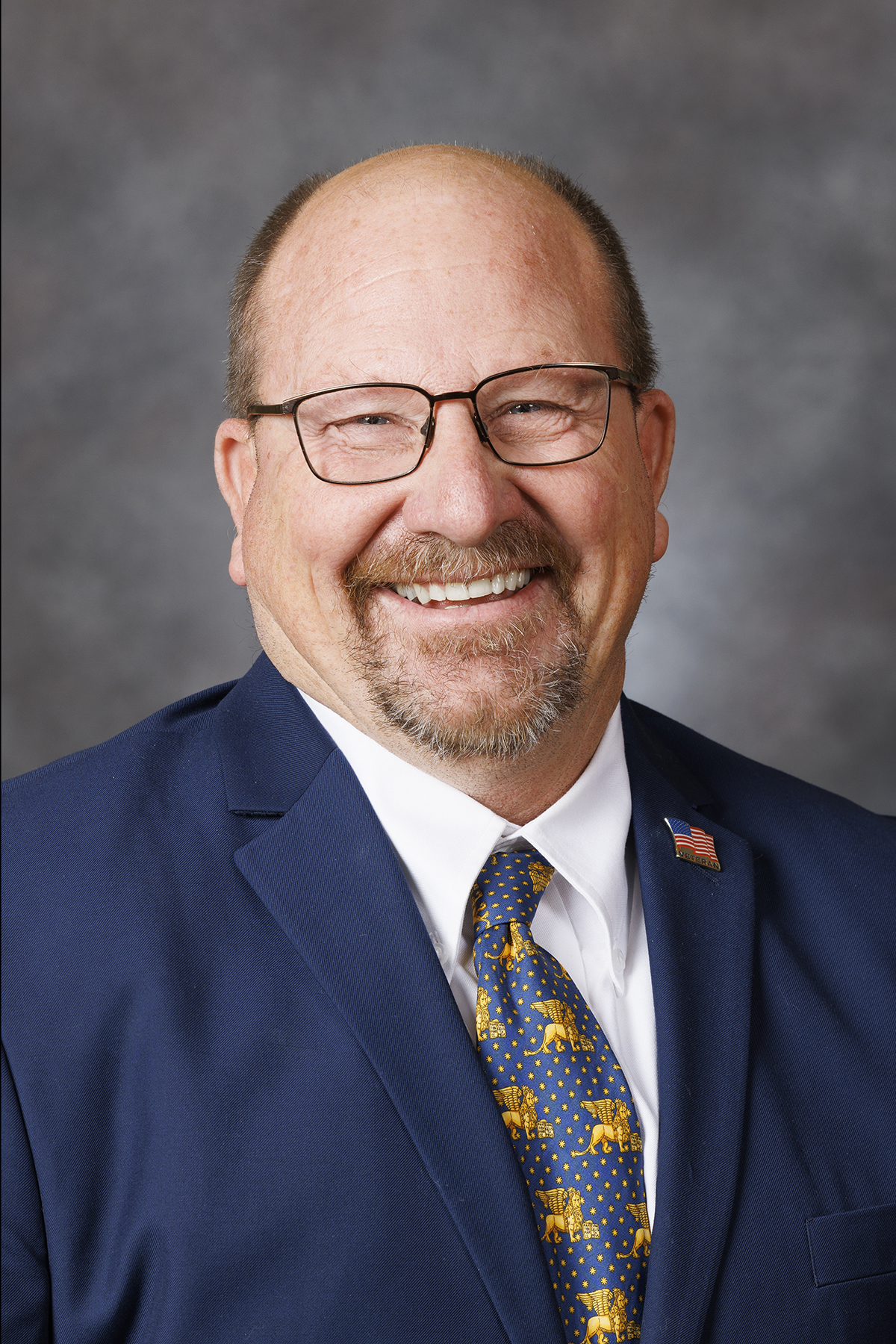
Ben Hansen
0% support rate
Ranked legislators
10
5 support · 5 oppose
Key legislators

Who's moving higher education in Nebraska

Legislators moving higher education in Nebraska
Legislator Party Stance Support rate Votes
Danielle Conrad
Danielle Conrad House · District 46
N
Strong +
100% 4
Dunixi Guereca
Dunixi Guereca House · District 7
N
Strong +
100% 4
Eliot Bostar
Eliot Bostar House · District 29
N
Strong +
100% 4
George Dungan
George Dungan House · District 26
N
Strong +
100% 4
John Cavanaugh
John Cavanaugh House · District 9
N
Strong +
100% 4
Ben Hansen
Ben Hansen House · District 16
N
Strong −
0% 4
Bob Andersen
Bob Andersen House · District 49
N
Strong −
0% 4
Brian Hardin
Brian Hardin House · District 48
N
Strong −
0% 4
Fred Meyer
Fred Meyer House · District 41
N
Strong −
0% 4
Jared Storm
Jared Storm House · District 23
N
Strong −
0% 4
Showing 4 of 4 bills

All education bills

signed · Nebraska · Legislature Apr 17, 2026

LB 1086: Change eligibility requirements for community college gap assistance

Nebraska's LB 1086 changes eligibility requirements for community college gap assistance, directly affecting students seeking financial support to cover costs not covered by other funding. The bill replaces existing rules with a new standard requiring applicants to demonstrate capacity to: complete an eligible program, earn a credential, secure full-time employment, and maintain that employment. It also explicitly excludes Supplemental Nutrition Assistance Program Employment and Training benefits from eligibility calculations. This policy change aims to ensure gap assistance fills true financial gaps after other public or private funding sources are exhausted.
Sub-Topics Higher Education
died · Nebraska · Legislature Apr 17, 2026

LB 833: Change provisions relating to instructional priorities and degree programs at state colleges

Nebraska Legislative Bill LB 833 changes how state colleges prioritize degree programs. It establishes a four-tier priority system: first for education bachelor's degrees, second for graduate programs in education and other fields, third for applied research, and fourth for specialist degrees. The bill specifically requires Chadron State College (western Nebraska), Peru State College (southeast Nebraska), and Wayne State College (northeast Nebraska) to limit new undergraduate programs based on their regional needs. It also allows these colleges to independently offer certain master's and doctoral programs after demonstrating capacity and securing approval from the Board of Trustees and the state education commission.
Sub-Topics Higher Education
died · Nebraska · Legislature Apr 17, 2026

LB 552: Prohibit public postsecondary educational institutions from having a diversity, equity, and inclusion office and taking certain actions relating to diversity, equity, and inclusion

LB 552 prohibits Nebraska's public universities and colleges (including the University of Nebraska, state colleges, and community colleges) from establishing diversity, equity, and inclusion (DEI) offices or requiring participation in DEI programs. The bill bans activities such as mandatory training on topics like systemic racism or microaggressions, preferential hiring based on race or gender, and using public funds for DEI initiatives. Exceptions allow harassment training, legal compliance offices, data collection for accreditation, and student organization activities. The law applies broadly to all public postsecondary institutions in Nebraska and takes effect if passed.
Sub-Topics Higher Education
died · Nebraska · Legislature Apr 17, 2026

LB 551: Prohibit tenure at certain postsecondary educational institutions and require a written policy regarding terms and conditions of employment

This bill prohibits new academic tenure appointments for faculty at Nebraska's public universities (University of Nebraska system), state colleges (Nebraska State Colleges), and community colleges. It requires each governing board to adopt a written policy covering dismissal grounds (like performance or budget issues), annual faculty evaluations, and minimum professional standards. The policy must address how faculty employment terms and conditions are managed, replacing the previous tenure system for new hires. This directly affects faculty members at these public institutions by changing their employment security and review processes.
Sub-Topics Higher Education