Maddy summaryThe Smithsonian American Women’s History Museum Act authorizes the creation of a new Smithsonian museum dedicated to women’s history, to be located within the National Mall Reserve in Washington, D.C. If the site is managed by another federal agency, the bill requires that agency to transfer the land after notifying Congress and relevant committees. The museum must ensure exhibits and programs accurately represent diverse women’s experiences by consulting a broad range of experts and community voices. The Smithsonian will submit biennial reports to Congress detailing how the museum meets these representation standards.
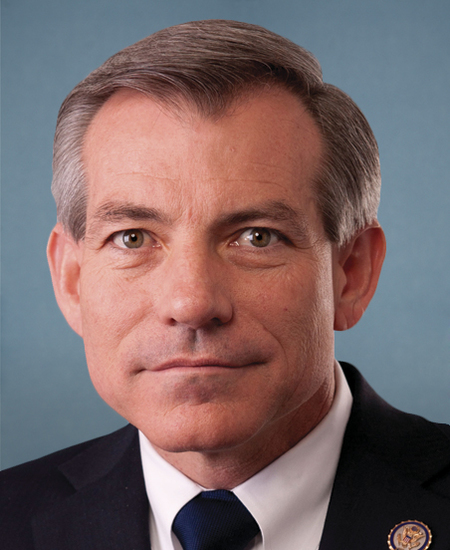
Rep. David Schweikert
Sponsored bills
Maddy summaryHR 7432, the Foster Youth Housing Opportunity Act, improves housing access for foster youth aged 18 to 26 who are aging out of care. It amends federal law to explicitly include "access to housing" in support services, allowing states to use existing funds for housing-related supportive services like financial counseling, lease assistance, and help with security deposits. The bill also requires the Health and Human Services and Housing and Urban Development departments to create joint guidance within a year to coordinate housing programs and child welfare services. States must report to Congress within three years on outcomes like stable housing rates and homelessness reduction for these youth. The law takes effect one year after enactment.
Maddy summaryThe CONNECT Act updates the John H. Chafee Foster Care Program to better support older youth who have experienced foster care at age 14 or older. It requires the program to help these young people build lasting relationships with mentors, peers, and family members to reduce isolation and create support networks. The bill also mandates that the Department of Health and Human Services issue guidance within a year of enactment, outlining eligible services, best practices for mentoring, and standards for notifying eligible youth about available programs. These changes aim to ensure youth in foster care receive written information about their permanency plans and have access to peer support and referrals to help achieve their long-term goals.
Maddy summaryThis bill requires states to connect foster youth aged 18-21 who are pregnant or parenting with home visiting programs and support services under existing federal law. It mandates that states certify they have systems to inform these youth about evidence-based home visiting services and provide tailored case management to help them access resources. The law directly affects expectant and parenting foster youth in care by expanding access to health, parenting, and stability services. Key provisions amend federal law to ensure these youth receive coordinated support through state child welfare systems. The changes take effect one year after enactment for new service plans.
Maddy summaryThe Fresh Starts for Foster Youth Act amends the John H. Chafee Foster Care Program to require states to provide legal counseling access for youth aging out of foster care, directly affecting current and former foster youth aged 18-21 transitioning to adulthood. Key provisions mandate that states certify their case planning processes address legal barriers impacting housing, education, employment, and family connections - such as court records, custody issues, and family relationship recognition. This ensures foster care systems proactively help youth navigate legal challenges during their transition to independence. The law applies to state plans approved one year after enactment, requiring states to integrate legal support into their transition services. It does not change funding but adds specific requirements for how states must address legal obstacles for foster youth.
Maddy summaryThis bill expands education and job training support for youth who have been in foster care since age 14 or older. It allows funding for apprenticeships, GED programs, and remedial education to help them earn diplomas or enter postsecondary training. The changes lower the eligibility age from 16 to 14 and extend participation time for remedial education (up to 6 years). It directly affects foster youth transitioning to adulthood by broadening access to workforce preparation programs.
Maddy summaryThis resolution formally condemns the attempted assassination of President Donald J. Trump on April 25, 2026, as well as previous attempts in 2024, and recognizes the critical role of the Department of Homeland Security. The bill expresses gratitude to law enforcement officers who responded to the attack and affirms the Secret Service's responsibility for protecting the President. Additionally, it calls on Americans to unite against political violence and condemns those who incite attacks against public officials.
Maddy summaryThe Taxpayer Experience Improvement Act requires the IRS to enhance how taxpayers interact with the agency through four main provisions. First, it mandates a public dashboard showing real-time wait times, call statistics, and backlog information for IRS phone lines. Second, it expands online access to allow taxpayers to view their tax returns, refunds, and notices through a website or mobile app. Third, it directs the IRS to offer callback options for calls that go unanswered within five minutes. Fourth, it enables authorized tax professionals to access taxpayer accounts and submit responses on behalf of their clients. These changes aim to improve transparency and convenience for taxpayers without altering tax laws or rates.
Maddy summaryThis bill updates federal quality standards for mammography facilities to allow artificial intelligence systems to perform duties currently reserved for physicians. Specifically, it permits AI to interpret mammograms and removes the requirement for a physician to sign off on the results. The changes directly affect healthcare providers and facilities that use or plan to use AI technology in breast cancer screening. By amending the Public Health Service Act, the legislation modernizes regulations to accommodate advancements in machine learning while maintaining oversight of diagnostic processes.
Maddy summaryThis House Resolution supports designating April 2026 as "National County Government Month." It encourages counties nationwide to raise public awareness about their essential services and workforce, and asks Members of Congress to help educate residents about the vital role of county governments.