Issue · Healthcare

Healthcare

Every healthcare bill, vote, and legislator stance in Missouri, automatically classified by Maddy, our AI policy reader.

Total bills
343
119th Congress
Top supporter
Emanuel Cleaver
61% support rate
Top opponent
Eric Schmitt
25% support rate
Ranked legislators
8
3 support · 5 oppose
Key legislators

Who's moving healthcare in Missouri

Legislators moving healthcare in Missouri
Legislator Party Stance Support rate Votes
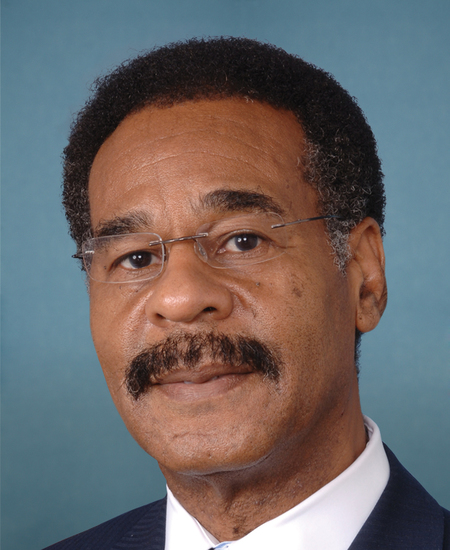
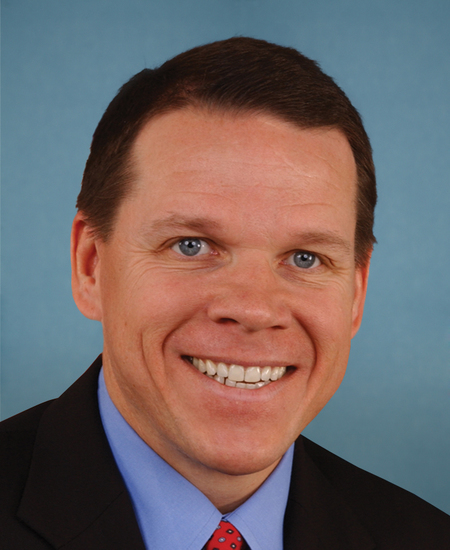
Emanuel Cleaver
Emanuel Cleaver House · District 5
D
Support
61% 203
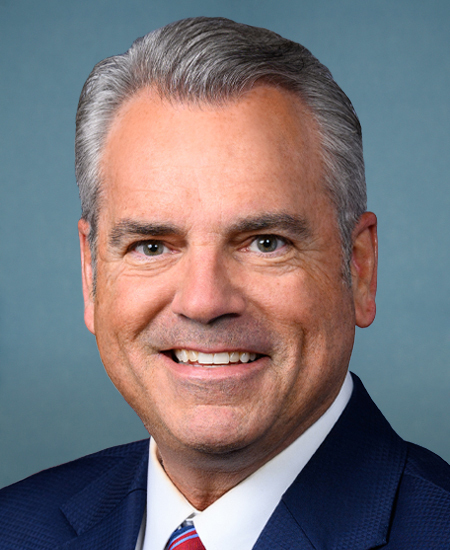
Wesley Bell
Wesley Bell House · District 1
D
Support
61% 207
Mark Alford
Mark Alford House · District 4
R
Mixed
50% 209
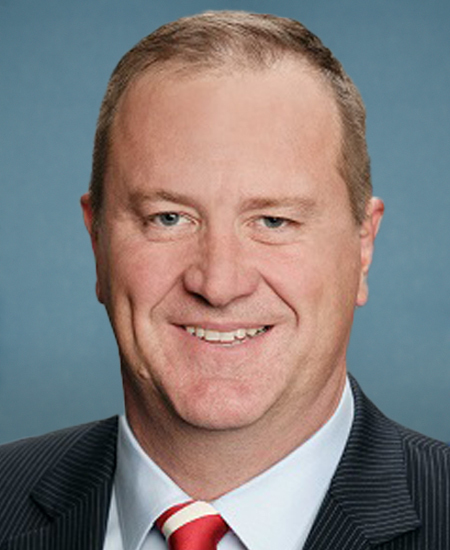
Eric Schmitt
Eric Schmitt Senate
R
Oppose
25% 222
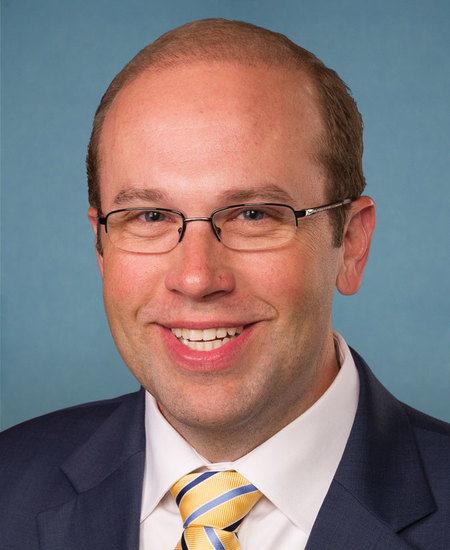
Jason Smith
Jason Smith House · District 8
R
Oppose
33% 209
Sam Graves
Sam Graves House · District 6
R
Oppose
33% 202
Josh Hawley
Josh Hawley Senate
R
Oppose
38% 217
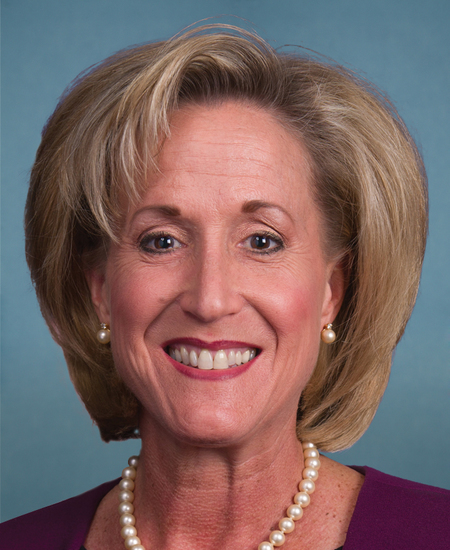
Ann Wagner
Ann Wagner House · District 2
R
Oppose
39% 211
Showing 1–10 of 343 bills

All healthcare bills

in committee · United States · House Sep 8, 2026

HRES 1514: Recognizing suicide as a serious public health problem, expressing support for the designation of September 8, 2026, as "988 Day" and the role of the 988 Suicide and Crisis Lifeline, and for other purposes.

This House resolution formally recognizes suicide as a significant public health issue in the United States and highlights the impact of the 988 Suicide and Crisis Lifeline on individuals and communities. It commends the establishment of the 988 number as a nationwide three-digit dialing code for crisis support, noting its role in connecting people to mental health resources. The bill supports the designation of September 8, 2026, as "988 Day" to raise awareness about the service and promote access to mental health care. Additionally, it encourages continued public education and federal, state, and local efforts to expand crisis intervention programs for high-risk populations.
in committee · United States · House Sep 10, 2026

HRES 1528: Recognizing suicide as a serious public health problem and expressing support for the designation of September, 2026, as "National Suicide Prevention Month" as well as September 10, 2026, as "World Suicide Prevention Day".

This House resolution formally recognizes suicide as a serious public health problem in the United States and expresses support for designating September 2026 as National Suicide Prevention Month and September 10, 2026, as World Suicide Prevention Day. The bill cites data from the CDC, SAMHSA, and the VA to highlight that suicide is a leading cause of death among young people, veterans, and during the postpartum period, while also noting the significant economic costs associated with it. It declares suicide prevention a national priority and emphasizes that mental health is as important as physical health. The resolution supports the development of strategies to improve access to quality mental health, substance abuse, and suicide prevention services for all communities.
in committee · United States · House Aug 17, 2026

HR 10115: Radiation Exposure Compensation Reauthorization Act of 2026

This bill reauthorizes and expands the Radiation Exposure Compensation Act, extending the program's funding through 2043 and allowing new claims to be filed until 2042. It increases compensation amounts for downwinders and Manhattan Project waste claimants from $100,000 or $50,000 to $150,000, respectively, and introduces a provision for reimbursing documented out-of-pocket medical expenses not covered by insurance. The legislation broadens eligibility by adding new geographic areas in states such as Colorado, Montana, Washington, Illinois, and Ohio, as well as the territory of Guam, while also permitting the use of third-party affidavits to verify employment history or physical presence in affected zones. Additionally, it establishes a discretionary process for the President to designate new groups of radiation-exposed individuals for compensation and mandates several health studies regarding the long-term effects of nuclear testing on specific populations.
in committee · United States · House Aug 3, 2026

HR 10015: Great American Healthcare Act

The Great American Healthcare Act introduces several changes to the U.S. healthcare system, primarily focusing on expanding Health Savings Accounts (HSAs) and increasing price transparency for medical services. Under the HSA provisions, individuals can contribute more money to these accounts, use funds for healthy food and fitness expenses, and roll over unused balances to family members or specific political accounts. The bill also allows employers to satisfy certain coverage mandates by contributing directly to employees' HSAs. To make healthcare costs clearer, the legislation requires hospitals, laboratories, and imaging centers to publicly post their standard charges and negotiated rates in a uniform format. Additionally, the bill mandates that health plans provide detailed itemized bills and explanations of benefits to patients within 45 days of a claim request. Finally, the act expands the ability of pharmacists and nurses to dispense certain low-risk prescription drugs without a doctor's direct supervision and repeals a specific rule regarding Federal Reserve earnings on balances.
in committee · United States · House Jul 21, 2026

HR 9817: Justice for Incarcerated Moms Act

The Justice for Incarcerated Moms Act aims to improve maternal health outcomes for pregnant and postpartum individuals in the criminal justice system by restricting financial incentives for states that use restraints on pregnant inmates. Under the bill, states receiving federal justice grants would face a 25 percent funding penalty if they fail to implement laws limiting the use of shackles on pregnant individuals, with those withheld funds redirected to compliant states. The legislation also directs the Bureau of Prisons and the Department of Justice to create and fund programs in at least six federal facilities and across various state and local prisons that provide specialized prenatal care, mental health support, and reentry assistance. These programs are designed to address specific health disparities, particularly for racial and ethnic minority groups, by offering culturally competent care, nutrition counseling, and opportunities to maintain contact with newborn children. Additionally, the act requires an independent oversight organization to monitor program implementation and mandates a Government Accountability Office report to analyze maternal and infant health data within the correctional system.
in committee · United States · House Jul 23, 2026

HR 9941: Right to IVF Act of 2026

This bill establishes federal protections and funding to expand access to in vitro fertilization and intrauterine insemination for individuals, military service members, and veterans. It requires most private health plans, Medicaid programs, and Medicare to cover these fertility treatments without imposing higher cost-sharing than other medical services. Additionally, the legislation mandates that the Department of Defense and the Department of Veterans Affairs provide specific fertility preservation and treatment benefits to uniformed service members and eligible veterans. The bill also includes preemption clauses that override state laws restricting these procedures and prohibits discrimination based on marital status, sex, or sexual orientation in the provision of care.
in committee · United States · House Jul 22, 2026

HR 9844: CHARTS Act

The CHARTS Act authorizes $5 million over two years to provide grants to long-term care and post-acute care providers, such as nursing facilities and home health agencies, for implementing specific health information technology systems. These funds, capped at $500,000 per provider, must be used to develop tools that enable real-time data sharing among doctors, insurers, and government programs while improving care coordination and reducing duplicate services. The Department of Health and Human Services will prioritize grants for facilities serving Medicare and Medicaid beneficiaries and will ensure recipients represent a diverse range of geographic and demographic populations. Additionally, the bill requires the agency to submit reports evaluating how these technologies impact patient outcomes, costs, and care transitions over a six-year period.
in committee · United States · House Jul 15, 2026

HR 9693: Patients First Act of 2026

The Patients First Act of 2026 modifies how Medicare reimburses physicians and primary care providers to improve access and stabilize payments. It establishes a new hybrid payment model for primary care services from 2027 to 2031, which pays a monthly fee per patient to eligible independent practices while covering specific services like care management and telehealth without cost-sharing for patients. The bill also updates the formula for calculating reimbursement rates to account for high inflation years and requires more frequent updates to the costs used in calculating payments. Additionally, the legislation reforms the performance-based payment system by adding care efficiency measures, creating a task force to recommend new quality metrics, and adjusting penalties for providers who fail to report on certain data.
in committee · United States · House Jul 21, 2026

HR 9816: MOMMIES Act

The MOMMIES Act expands Medicaid and CHIP coverage for low-income pregnant and postpartum individuals by extending continuous benefits for one year after childbirth and mandating full coverage of oral health services. To support these changes, the bill includes maintenance of effort provisions that prevent states from restricting eligibility or reducing benefits for this population, alongside a temporary 100 percent federal funding match for states that increase spending on these services. Additionally, the legislation establishes a five-year demonstration project to fund maternity care home models that integrate medical and social support services, while also requiring studies and guidance on improving access to doula services and telehealth for maternity care.
in committee · United States · House Jul 15, 2026

HR 9641: Essential Caregivers Act of 2026

The Essential Caregivers Act of 2026 requires nursing homes, long-term care hospitals, rehabilitation facilities, and intermediate care facilities to allow two chosen family members or friends to visit residents during times when regular visitation is suspended. These essential caregivers must agree to follow the facility's existing safety and infection control rules, which are no more restrictive than those applied to staff. While facilities can limit access for the first seven days of a suspension or deny entry if a caregiver shows symptoms of a serious infectious disease, they cannot block visits for end-of-life care. Additionally, the bill mandates that complaints about denied access to essential caregivers be investigated and resolved within three days.
Sub-Topics Long-Term Care
Showing 1 to 10 of 343 bills
1 2 3 35 Next