

Maddy summaryThe Foreign Service Language Readiness Act requires the Secretary of State to identify and regularly update a list of critical foreign languages essential for U.S. national security and economic interests. This list must include specific proficiency standards and criteria for determining which job roles require these language skills, while also coordinating with other federal agencies to avoid duplication. The bill mandates that the Department of State integrate these language capabilities into hiring, training, and assignment processes, including the creation of a reserve pool of officers with these skills for rapid deployment during crises. Additionally, the Secretary must submit a comprehensive report by December 31, 2027, detailing staffing levels, workforce shortages, and planned actions to address language capability needs.
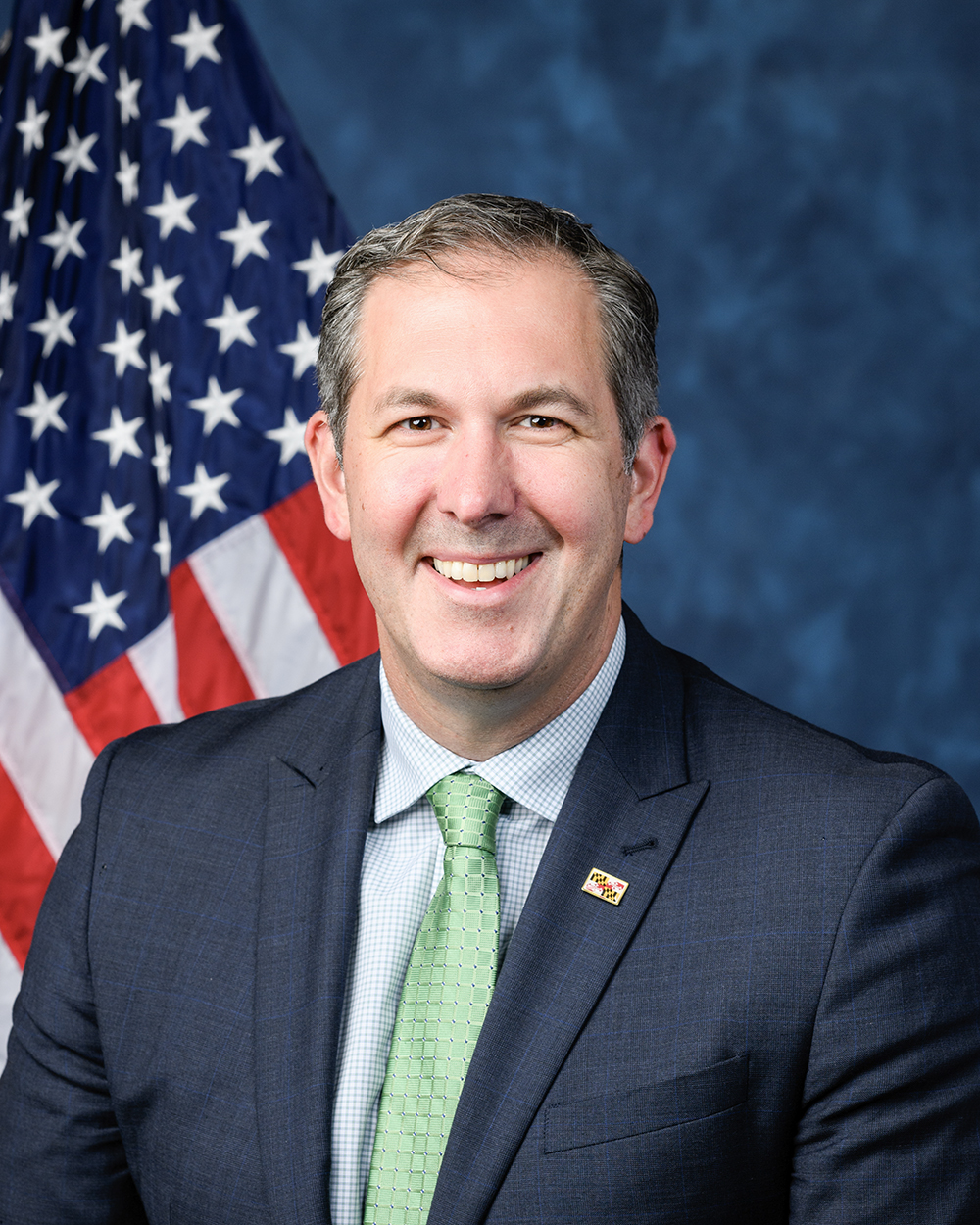
Rep. Johnny Olszewski, Jr.
Sponsored bills
Maddy summaryThis bill establishes federal protections and funding to expand access to in vitro fertilization and intrauterine insemination for individuals, military service members, and veterans. It requires most private health plans, Medicaid programs, and Medicare to cover these fertility treatments without imposing higher cost-sharing than other medical services. Additionally, the legislation mandates that the Department of Defense and the Department of Veterans Affairs provide specific fertility preservation and treatment benefits to uniformed service members and eligible veterans. The bill also includes preemption clauses that override state laws restricting these procedures and prohibits discrimination based on marital status, sex, or sexual orientation in the provision of care.
Maddy summaryHR 2913, the Ukraine Support Act, provides comprehensive U.S. support for Ukraine in response to Russia's invasion. The bill authorizes security assistance including lend-lease authority for military equipment, establishes a Ukraine Reconstruction Trust Fund for economic recovery, and imposes new sanctions targeting Russian financial institutions, oil companies, and government officials. It also includes provisions to counter Russian disinformation, support Radio Free Europe, and address the kidnapping of Ukrainian children. The legislation directly affects U.S. foreign policy, Ukraine's defense capabilities, and Russia's access to international financial systems. The act aims to strengthen Ukraine's sovereignty while holding Russia accountable for its actions.
Maddy summaryThe Foreign Service Test-Free Reentry Act of 2026 allows the State Department to rehire certain former career diplomats without requiring them to take new exams. This provision applies specifically to individuals who were involuntarily separated or retired between January 20, 2025, and January 31, 2030, as part of a reduction in force or similar expedited process. To qualify, these former employees must have been serving in good standing and must not have received low performance rankings in the five years leading up to their separation. The bill aims to streamline the reentry process for these specific groups by waiving standard testing requirements.
Maddy summaryThe Protecting America's Diplomatic Workforce Act limits how many employees federal foreign affairs agencies can fire at once and requires stricter oversight for large layoffs. It caps reductions in force to 50 employees every six months unless agencies provide detailed justifications to Congress explaining why other options were not considered and how the cuts might affect diplomatic missions. The bill also mandates longer notice periods for employees facing layoffs, updates rules to prioritize performance over tenure when selecting who to retain, and requires the State Department to consult with lawmakers before making major changes to its internal manual. These measures directly impact agencies such as the Department of State, USAID, and the Peace Corps by increasing transparency and adding procedural hurdles to workforce reductions.
Maddy summaryThe Essential Caregivers Act of 2026 requires nursing homes, long-term care hospitals, rehabilitation facilities, and intermediate care facilities to allow two chosen family members or friends to visit residents during times when regular visitation is suspended. These essential caregivers must agree to follow the facility's existing safety and infection control rules, which are no more restrictive than those applied to staff. While facilities can limit access for the first seven days of a suspension or deny entry if a caregiver shows symptoms of a serious infectious disease, they cannot block visits for end-of-life care. Additionally, the bill mandates that complaints about denied access to essential caregivers be investigated and resolved within three days.
Maddy summaryThis bill requires Medicare Advantage plans to implement electronic pre-approval systems for medical services by 2028 and meet transparency reporting standards starting in 2027. Plans must publicly report data on approval/denial rates, appeal outcomes, response times, and technology use for pre-approval requests, including details on how denials relate to clinical criteria. It establishes a 24-hour response timeframe for certain requests and mandates annual reviews of pre-approval requirements based on data and input from seniors and providers. The law directly affects Medicare Advantage plans, seniors enrolled in these plans, and healthcare providers who submit pre-approval requests. These changes aim to make the pre-approval process faster, more transparent, and more accountable for seniors seeking covered medical services.
Maddy summaryThis resolution expresses support for designating July 10th as Journeyman Lineworkers Recognition Day to honor the workers who maintain the nation's electrical grid. The bill specifically recognizes the dangerous conditions these employees face, such as working at heights near live power lines and responding to disasters like hurricanes and wildfires. It also commemorates Henry Miller, the first president of the International Brotherhood of Electrical Workers, who died on July 10, 1896, while performing his duties. Ultimately, the measure encourages the public to observe this day with reflection on the contributions of lineworkers.
Maddy summaryThe Voter Choice Act establishes a federal program to assist states and local governments in transitioning to ranked choice voting systems for elections. Under this bill, the Election Assistance Commission would provide technical support and financial grants to help jurisdictions acquire necessary equipment, design ballots, and create educational materials for voters. Grants awarded through this program are capped at 50 percent of project costs and must be distributed across a diverse range of geographic areas and population types. The legislation authorizes $40 million in funding for fiscal year 2027 to support these transition efforts.
Maddy summaryThe Jewish American Security Act aims to combat antisemitism by strengthening protections for Jewish students, securing Jewish communities, and increasing transparency regarding online hate speech. For educational institutions receiving federal funds, the bill mandates the creation of specific coordinators to handle discrimination complaints, requires annual training on handling antisemitism, and establishes a new federal clearinghouse to share best practices for campus safety. To support physical security, the legislation expands grant funding for nonprofit organizations and directs the Attorney General to provide resources for law enforcement agencies protecting houses of worship. Additionally, the act requires major online platforms with over 50 million monthly users to submit detailed reports to the Federal Trade Commission on how they detect, remove, and moderate antisemitic content.