

Maddy summaryThe ALERT Act (HR 7613) requires the Federal Aviation Administration to improve aviation safety through several key measures. It mandates the evaluation and potential implementation of enhanced collision avoidance systems (ACAS-Xa) for commercial aircraft and ACAS-Xr for rotorcraft, with specific deadlines for rulemaking and installation. The bill establishes committees to develop recommendations for safety technology requirements, requires safety risk assessments for air traffic controllers, and addresses operational procedures at high-traffic airports like Ronald Reagan Washington National. These provisions affect air carriers, air traffic controllers, rotorcraft operators, and Department of Defense aircraft operations. The act aims to enhance situational awareness and reduce midair collision risks through technology upgrades and improved safety protocols.
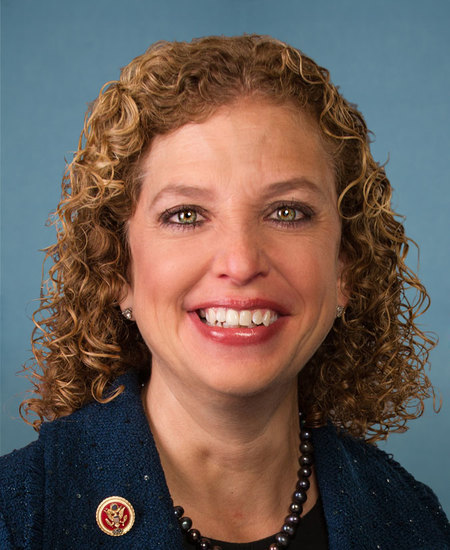
Rep. Debbie Wasserman Schultz
Sponsored bills
Maddy summaryThe Next Gen Road Safety Act amends federal funding provisions to allow law enforcement agencies to purchase specialized equipment for managing high-speed vehicle pursuits. This legislation specifically authorizes the procurement of technologies such as vehicle-disabling systems, police bumper systems, and drones to help prevent and de-escalate dangerous chase situations. The changes apply to federal crime control grants under the Omnibus Crime Control and Safe Streets Act of 1968, enabling agencies to use these funds for the specified safety equipment. The bill focuses on updating existing grant categories to include modern tools that support officer safety and public safety during vehicular pursuits.
Maddy summaryThis bill directs the Secretary of Agriculture to create a grant program that provides financial stabilization payments to organizations representing farmworkers, meat processing workers, and grocery workers. The funding is specifically intended to support these workers in the event of natural disasters or other emergencies as determined by the Secretary. The program would be administered through the Agricultural Marketing Service and is authorized for up to $50 million. Additionally, the bill requires a report on the program's outcomes to be submitted to congressional committees within four years of enactment.
Maddy summaryThe Diplomatic Reserve Corps Act of 2026 creates a new reserve force within the Department of State to provide trained personnel for active service when needed. This independent system is not part of the regular Foreign Service and includes four groups: a senior reserve for current high-level staff, a senior retiree reserve for retired senior staff, a general diplomatic reserve, and a retiree reserve for other former employees. The law establishes specific rules for recruiting members, setting their salaries and benefits similar to active diplomats, and managing their annual training requirements. It also defines how the Secretary of State can call these reservists to active duty during emergencies or to support specific missions, while providing protections for their retirement benefits and employment rights.
Maddy summaryThe Maternal Vaccination Act amends the Public Health Service Act to expand a federal campaign focused on increasing vaccination rates among pregnant and postpartum individuals and their children. This legislation directly affects public health programs by updating language to explicitly include these populations and directing funding toward outreach efforts that address disparities among racial and ethnic minority groups. Key provisions modify existing sections of the Public Health Service Act to broaden the campaign's scope and increase the authorized funding amount from $15 million to $17 million per fiscal year for the period 2027 through 2031. The bill aims to improve vaccination equity by ensuring federal resources specifically target maternal and pediatric immunization efforts.
Maddy summaryThis concurrent resolution formally recognizes the ongoing disparity between wages paid to men and women in the United States and reaffirms Congress's commitment to supporting equal pay. It highlights statistical data showing that women earn approximately 81 cents for every dollar earned by men, with significant variations across racial and ethnic groups, and notes that the gender wage gap has widened over the past two years. The document also identifies contributing factors such as occupational segregation, lack of family-friendly workplace policies, and workplace harassment, while emphasizing the economic impact on women's retirement security and family incomes.
Maddy summaryThis bill requires group health plans and health insurers that cover obstetrical services to also cover infertility and iatrogenic infertility treatments, including procedures like in vitro fertilization and egg freezing. It defines infertility as the inability to achieve pregnancy after 12 months of unprotected intercourse or after standard medical treatment, and iatrogenic infertility as fertility damage caused by medical procedures such as chemotherapy or radiation therapy. The legislation establishes coverage standards that cannot be more restrictive than those applied to other medical benefits, prohibits penalties against providers for offering these services, and requires annual compliance reporting to the federal government.
Maddy summaryThis bill establishes safety and security standards for online platforms and delivery services that accept Supplemental Nutrition Assistance Program benefits. It requires the Food and Nutrition Service to create rules for digital privacy, cybersecurity, fair working conditions including prevailing wages, and food safety for stores and wholesalers participating in the program. Retailers must report their compliance with these standards within 18 months of the rules being finalized, and noncompliance could result in losing authorization to accept SNAP benefits. The legislation aims to protect users and workers while ensuring food safety in the growing digital food assistance landscape.
Extending WIC for New Moms Act This bill amends the Special Supplemental Nutrition Program for Women, Infants, and Children (WIC) to extend the eligibility periods for breastfeeding and postpartum women. Specifically, a state program may elect to certify a breastfeeding woman for up to 24 months (currently 1 year) postpartum. The bill also expands the eligibility period for postpartum women to up to 24 months after termination of pregnancy (currently 6 months). The Department of Agriculture must submit a report to Congress evaluating the effect of these changes to the program on (1) maternal and infant health outcomes, (2) breastfeeding rates, and (3) qualitative evaluations of family experiences under WIC.
Maddy summaryThis bill establishes a comprehensive regulatory framework to phase out the production, use, and release of perfluoroalkyl and polyfluoroalkyl substances, commonly known as 'forever chemicals.' It directly affects manufacturers, users, and importers of these chemicals by requiring annual reporting, mandating phaseout plans within 10 years, and prohibiting the sale of specific consumer products like carpets, food packaging, and cosmetics on staggered timelines. The legislation creates Centers of Excellence at universities and national laboratories to advance detection and remediation technologies, while also modifying bankruptcy laws to prevent the discharge of liability for exposure to persistent, bioaccumulative, and toxic chemicals. Federal agencies must comply with state and local regulations, and the EPA is given expanded authority to enforce compliance through inspections, penalties, and citizen lawsuits.