Maddy summarySF 4051 requires the state trunk highway fund to cover costs for relocating local government or tribal utility systems (like water, sewer, or storm sewer lines) when highway construction necessitates moving them. It directly affects local units of government and Minnesota Tribal governments that own these utility systems. The bill mandates that the commissioner determine the remaining service life of the utility and pay relocation costs from the trunk highway fund, rather than requiring the local entity to cover these expenses. This changes the funding source for these specific relocation costs during trunk highway projects.
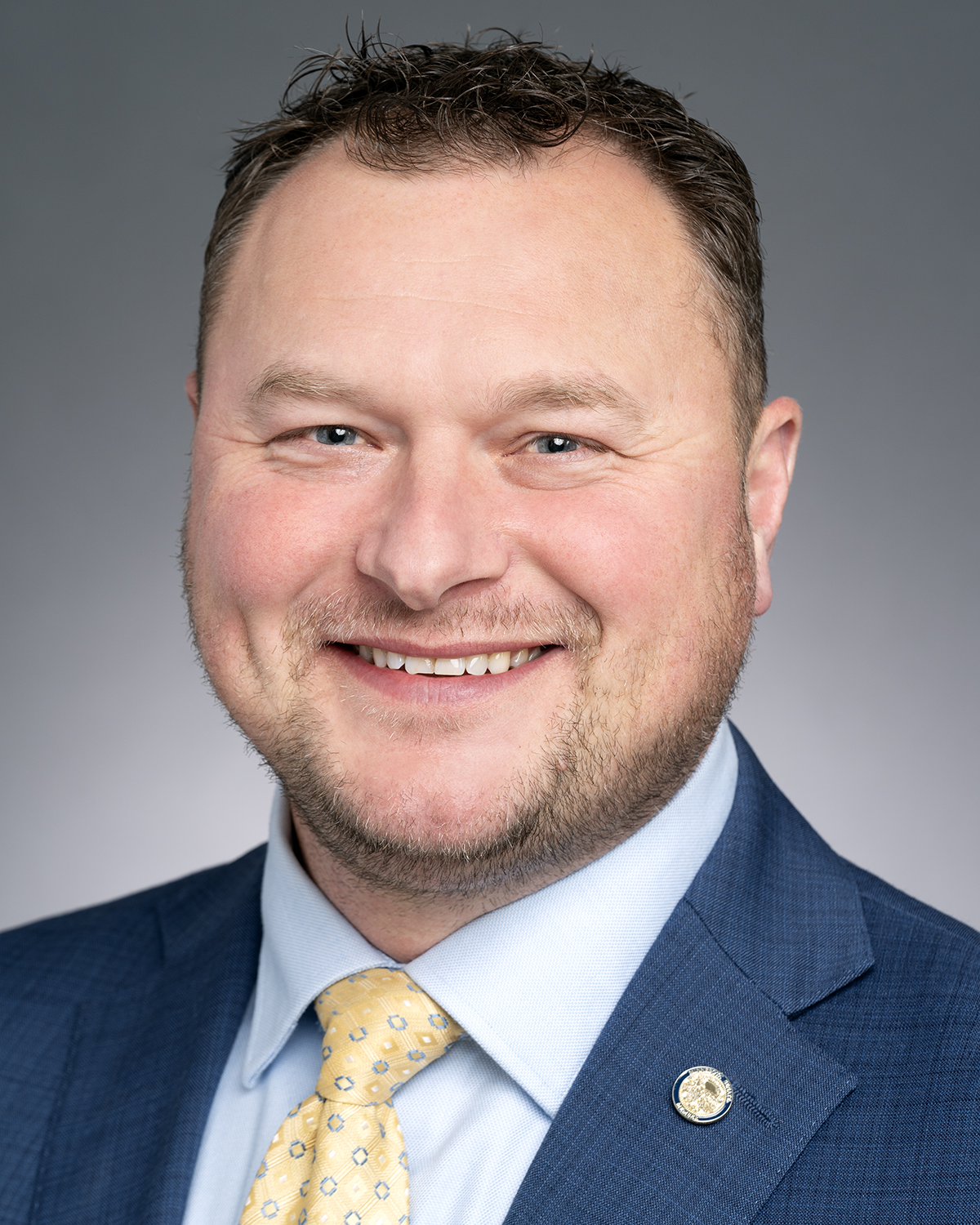
Sen. Andrew Lang
Sponsored bills
Maddy summaryThis bill proposes a constitutional amendment to stop the state of Minnesota from requiring local governments to implement new programs or rules without providing the money needed to pay for them. Under the plan, any state law or agency rule that forces local units to spend more on compliance would be unenforceable unless the legislature first appropriates full funding based on objective cost estimates. The amendment includes exceptions for criminal laws, federally mandated requirements, emergency measures passed by a two-thirds legislative vote, locally approved ordinances, and rules with a fiscal impact under one percent of a local budget. If voters approve this change at the 2026 general election, the new restrictions on unfunded mandates would take effect on January 1, 2027.
Maddy summarySF 4010 defines key terms for autonomous vehicle regulations in Minnesota, adding new definitions to the state's vehicle code. It establishes terms like "automated driving system," "autonomous vehicle" (level 4/5 SAE systems), "dynamic driving task," and "first responder interaction plan" to clarify how these vehicles operate and how emergencies should be handled. This bill directly affects autonomous vehicle manufacturers, operators of on-demand autonomous networks, and first responders who will use these definitions in future regulations. It does not create new operational rules but sets the foundation for future safety and interaction protocols. The bill is procedural, focusing on terminology rather than immediate policy changes.
Maddy summaryThis bill creates a new high school diploma in Minnesota specifically for veterans who did not complete high school before joining the military. It allows the state education commissioner to award a standard diploma to eligible veterans who served in the Korean Conflict, Vietnam War, or left high school to join active duty, provided they were honorably discharged and have a Minnesota connection (current resident, former student, or resident at time of death). The diploma is based on military service knowledge and experience, not traditional coursework. The Department of Education and Veterans Affairs will collaborate to assist veterans with applications.
Maddy summaryThis bill requires that cement, concrete, and steel used in state-funded infrastructure, transportation, housing, and public facility projects be manufactured in the United States. The law applies to all procurement contracts authorized after its enactment and defines "made in the United States" as materials where foreign components cost less than five percent of the total. Agencies may grant waivers if such materials are unavailable, would increase project costs by more than 25 percent, or are needed for an emergency, with all waivers published online within 30 days. Additionally, the bill directs state officials to provide guidance on these requirements and update policies to offer a bid preference to projects committing to using products made in Minnesota.
Maddy summaryThis bill prohibits restrictions on displaying specific flags in residential settings. It voids any deed restriction, homeowners association rule, rental agreement, or local ordinance that limits the display of the U.S. flag, Minnesota state flag, POW/MIA flag, U.S. Armed Forces branch flags, or Blue/Gold Star Service flags. The law directly affects homeowners, tenants, and homeowners associations by making such display limitations unenforceable. It applies to all residential property agreements, including HOA documents and rental contracts, regardless of when the restriction was created. The bill takes effect upon final enactment.
Maddy summaryThis bill would allow veterans with a total service-connected disability to park for free at Minneapolis-St. Paul International Airport for up to ten days within any 90-day period starting January 1, 2027. To qualify, veterans must show proof of their 100 percent disability rating through a driver's license, military ID, or a letter from the Veterans Administration. The airport commission must create a process to handle these fee waivers by December 1, 2026, and inform veterans statewide about how to use the benefit.
Maddy summaryThis bill establishes a new aviation special license plate option for vehicle owners in Minnesota. It allows registered owners of passenger cars, pickup trucks, motorcycles, or recreational vehicles to apply for these plates by paying the standard special plate fee along with regular registration taxes. The commissioner must create a suitable design featuring the word "Aviation" after consulting with relevant associations. Owners may transfer these plates to another eligible vehicle registered to the same person for a $5 fee, and the plates are exempt from certain standard plate restrictions. The changes will take effect on January 1, 2027.
Maddy summaryThis bill allocates $100,000 from the state's general fund in fiscal year 2027 to support maintenance and repairs for courtesy vehicles and shuttles at small airports. The funding is designated as a one-time appropriation and is available only to airports located outside metropolitan counties that are classified as intermediate airports or landing strips. The commissioner of transportation must distribute these grants with a focus on prioritizing small airports and ensuring regional balance across the state.
Maddy summaryThis bill updates Minnesota's liability limits for tort claims involving nonprofit organizations that provide goods or services to state agencies or municipalities through no-cost contracts. It establishes that when a nonprofit operates under such an arrangement, the state and municipal liability caps for claims arising from a single occurrence are set at $1,000,000, matching the existing limit for other government operations. The legislation defines a no-cost contract as an agreement where the nonprofit provides services without charging the government entity, and it applies to nonprofits involved in outdoor recreational activities funded or permitted by the state or local government. This change ensures consistent liability protections for government partners working with nonprofits without financial compensation.