

Issue · Veterans
Veterans
Every veterans bill, vote, and legislator stance in Minnesota, automatically classified by Maddy, our AI policy reader.
Total bills
4
119th Congress
Top supporter
Tom Emmer
65% support rate
Top opponent
Ilhan Omar
29% support rate
Ranked legislators
9
4 support · 5 oppose
Key legislators
Who's moving veterans in Minnesota
| Legislator | Party | Stance | Support rate | Votes |
|---|---|---|---|---|
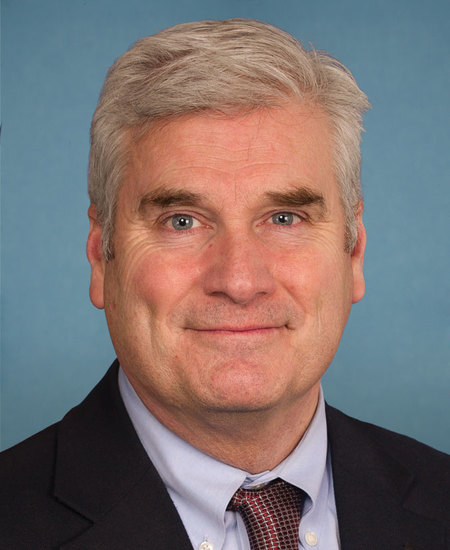
Tom Emmer
House · District 6
|
R |
Support
|
65% | 219 |
Pete Stauber
House · District 8
|
R |
Support
|
65% | 220 |
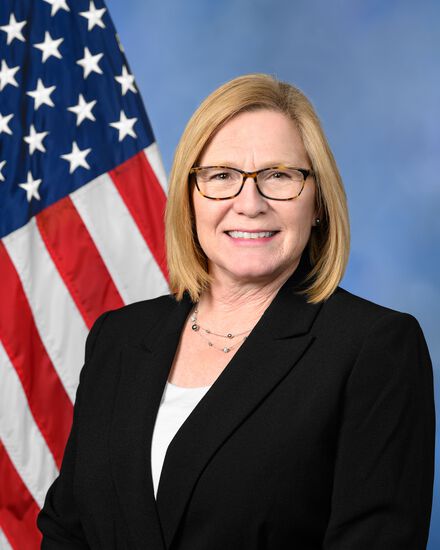
Michelle Fischbach
House · District 7
|
R |
Support
|
65% | 222 |
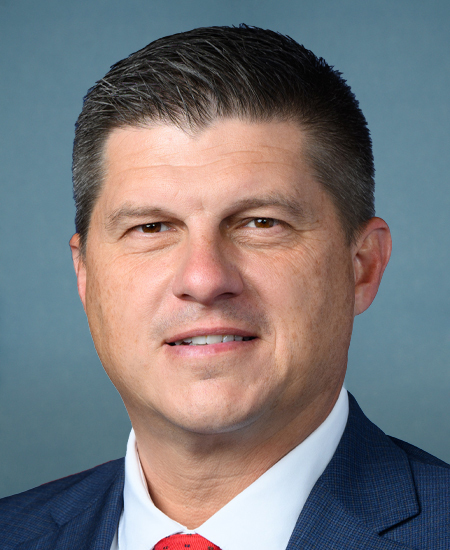
Brad Finstad
House · District 1
|
R |
Support
|
65% | 222 |

Ilhan Omar
House · District 5
|
D |
Oppose
|
29% | 220 |

Betty McCollum
House · District 4
|
D |
Oppose
|
29% | 219 |

Kelly Morrison
House · District 3
|
D |
Oppose
|
29% | 222 |

Angie Craig
House · District 2
|
D |
Oppose
|
33% | 216 |

Amy Klobuchar
Senate
|
D |
Oppose
|
36% | 275 |
Showing 4 of 4
bills
All veterans bills
HJRES 144: Providing for congressional disapproval under chapter 8 of title 5, United States Code, of the rule submitted by the Department of Veterans Affairs relating to "Reproductive Health Services".
Topics
✗ HealthcareOpposes HealthcareDisapproves VA rule on reproductive health services, preventing implementation and limiting veterans' access to such care.
✗ VeteransOpposes VeteransBill disapproves VA rule on reproductive health services for veterans, restricting access to these healthcare services.
SRES 105: A resolution condemning the mass terminations of employees of the Department of Veterans Affairs carried out with no justification or analysis of the impact on veterans and their families.
Topics
✓ HealthcareSupports HealthcareBill explicitly condemns VA terminations harming mental health care services, a critical healthcare service, and opposes cuts to these programs.
✓ Labor & EmploymentSupports Labor & EmploymentCondemns unjust terminations of VA employees, calling for reinstatement to protect workers' rights and service continuity, aligning with labor protections.
✗ VeteransOpposes VeteransCondemns VA employee terminations harming veteran services, calls for reinstatement to protect healthcare and claims processing
SJRES 103: A joint resolution providing for congressional disapproval under chapter 8 of title 5, United States Code, of the rule submitted by the Department of Veterans Affairs relating to "Reproductive Health Services".
Topics
✗ HealthcareOpposes HealthcareBlocks VA rule implementing reproductive health services for veterans, restricting access to covered care under healthcare policy per Congressional Review Act.
✗ VeteransOpposes VeteransBlocks VA rule implementing reproductive health services for veterans, restricting a healthcare benefit and opposing expansion of veterans' healthcare access.
Sub-Topics
Women's Health