Issue · Technology

Technology

Every technology bill, vote, and legislator stance in Minnesota, automatically classified by Maddy, our AI policy reader.

Total bills
19
119th Congress
Top supporter
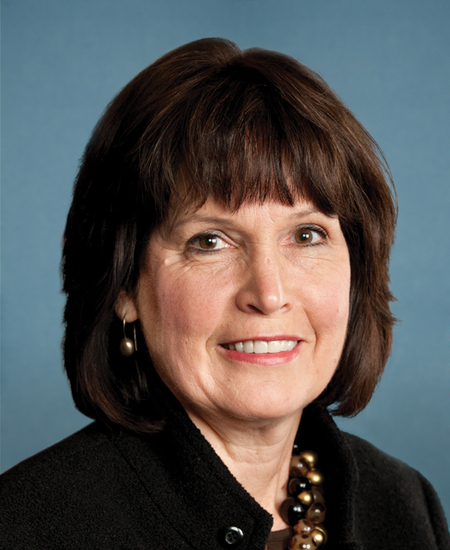
Betty McCollum
77% support rate
Top opponent
Tom Emmer
29% support rate
Ranked legislators
9
5 support · 4 oppose
Key legislators

Who's moving technology in Minnesota

Legislators moving technology in Minnesota
Legislator Party Stance Support rate Votes
Betty McCollum
Betty McCollum House · District 4
D
Support
77% 261
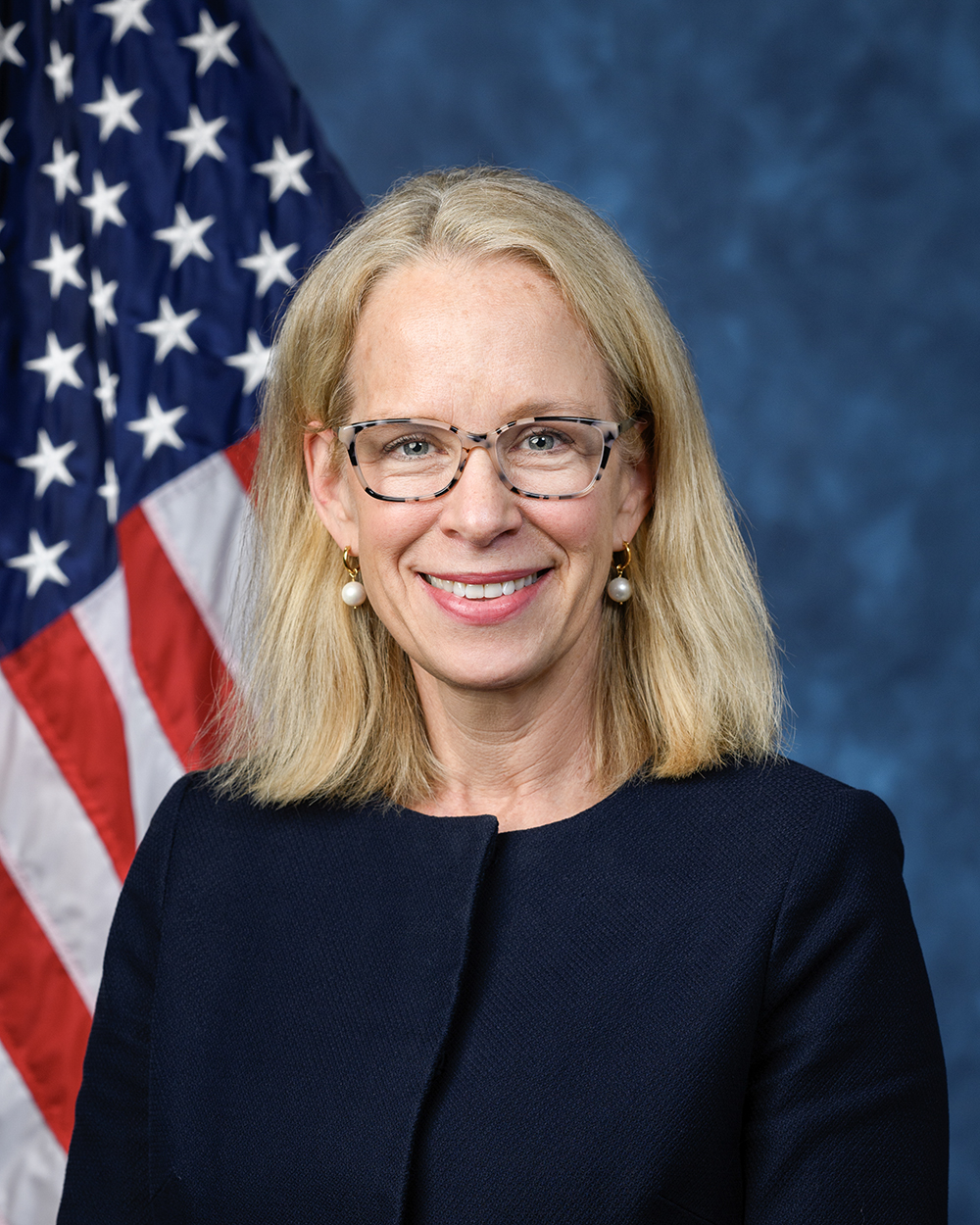
Kelly Morrison
Kelly Morrison House · District 3
D
Support
77% 262
Angie Craig
Angie Craig House · District 2
D
Support
76% 258
Ilhan Omar
Ilhan Omar House · District 5
D
Support
73% 260
Amy Klobuchar
Amy Klobuchar Senate
D
Support
68% 228
Tom Emmer
Tom Emmer House · District 6
R
Oppose
29% 257
Michelle Fischbach
Michelle Fischbach House · District 7
R
Oppose
32% 262
Brad Finstad
Brad Finstad House · District 1
R
Oppose
32% 259
Pete Stauber
Pete Stauber House · District 8
R
Oppose
36% 263
Showing 1–10 of 19 bills

All technology bills

in committee · United States · House Aug 27, 2026

HR 10166: Foreign Propaganda Disclosure Act

The Foreign Propaganda Disclosure Act amends the Foreign Agents Registration Act to explicitly include social media influencers in its regulatory scope. The bill defines a social media influencer as any individual who maintains a monetized account on a social media platform, using an existing definition from the Trafficking Victims Prevention and Protection Reauthorization Act of 2022. By making this addition, the legislation requires these specific digital content creators to comply with the same registration and disclosure obligations currently applied to other foreign agents.
Sub-Topics Social Media
in committee · United States · House Apr 30, 2026

HR 8623: GUARD Act

The GUARD Act requires companies that offer AI chatbots designed to simulate human friendship to verify the age of every user and block access for anyone under 18. To comply, these platforms must collect verifiable age data, clearly disclose that the chatbot is not a human, and ensure the AI does not claim to be a licensed professional like a therapist or doctor. The law also makes it a federal crime to design or distribute such chatbots that encourage minors to engage in sexually explicit acts or promote self-harm and violence, with penalties of up to $100,000 per violation.
in committee · United States · House May 12, 2026

HR 8743: SMART Kids Act

The SMART Kids Act directs the Surgeon General to create evidence-based guidelines on daily screen time limits for children across six specific age groups. To ensure objectivity, the Surgeon General must work with an independent expert panel that has no financial conflicts of interest before finalizing these recommendations. Once completed, the guidelines will be published online and submitted to Congress within one year of the law's enactment. This legislation does not impose new legal restrictions on families but instead establishes a federal process for generating health advice on device usage.
in committee · United States · House Apr 22, 2026

HR 8170: MATCH Act

The MATCH Act requires U.S. agencies to align export controls on semiconductor manufacturing equipment with allied nations to prevent adversaries from accessing critical technology. It mandates a 150-day period for diplomatic efforts to secure countrywide denial policies from allied suppliers, after which U.S. jurisdiction would extend to equipment exported from countries not complying with these controls. The bill specifically targets semiconductor manufacturing equipment that the U.S. cannot currently produce in high volume and includes a list of Chinese companies deemed to warrant comprehensive restrictions. If allies fail to implement matching controls, the Act would allow the U.S. to regulate equipment exported from non-compliant allied countries and restrict servicing of restricted items at facilities in adversary nations. The legislation includes a sunset provision that expires five years after enactment, with annual reporting requirements to Congress on progress and compliance.
in committee · United States · House Mar 20, 2026

HR 8031: GUARDRAILS Act

The GUARDRAILS Act (HR 8031) repeals the December 11, 2025 Executive Order on Artificial Intelligence, which previously established a national policy framework for AI development. By removing this executive order, the bill prevents the federal government from using funds to implement, enforce, or administer the policies outlined in that directive. This change directly affects federal agencies and any organizations that were relying on the executive order's framework for AI regulation. The legislation does not create new AI rules but instead eliminates the existing executive mandate that had been in place.
introduced · United States · Senate May 8, 2025

S 1668: End Crypto Corruption Act of 2025

S 1668 prohibits senior U.S. government officials - including the President, Vice President, Members of Congress, and Senate-confirmed appointees - from issuing, sponsoring, or endorsing cryptocurrencies, tokens, or stablecoins for profit. It also bans acquiring similar financial interests through derivatives or investment funds, while allowing normal public market trading. Violations face civil penalties of up to 10% of the financial interest's value or profits gained, and criminal charges if losses exceed $1 million or personal financial gain occurs. The law applies during official service and for one year after leaving office.
passed · United States · House Jul 17, 2025

HR 1919: Anti-CBDC Surveillance State Act

HR 1919, the "Anti-CBDC Surveillance State Act," prohibits the Federal Reserve from developing, testing, or issuing any central bank digital currency (CBDC) or similar digital assets. It specifically bans the Fed from offering direct financial products to individuals, maintaining individual accounts, or issuing CBDCs directly or indirectly through intermediaries like banks. The bill also blocks the Fed from using any digital asset for monetary policy and clarifies that physical currency's privacy protections remain intact. This policy directly affects the Federal Reserve System's ability to create or manage digital monetary tools.
in committee · United States · House Feb 21, 2025

HR 1513: Unplug the Electric Vehicle Charging Stations Program Act

HR 1513, the "Unplug the Electric Vehicle Charging Stations Program Act," terminates two existing federal programs that funded electric vehicle (EV) charging infrastructure. The bill repeals the authorization for grants supporting EV charging stations and eliminates the National Electric Vehicle Infrastructure Formula Program, which distributed funds to states for building charging networks. It also rescinds unobligated funds previously allocated to these programs. This bill directly affects the Department of Transportation's ability to support EV charging infrastructure development through these specific funding mechanisms. The policy change removes federal financial support for expanding public EV charging networks under the Infrastructure Investment and Jobs Act.
in committee · United States · House Mar 26, 2025

HR 2350: Cellphone Jamming Reform Act of 2025

The Cellphone Jamming Reform Act of 2025 allows state and federal correctional facilities to operate jamming systems that block cell signals from entering or leaving the facility, specifically targeting contraband devices used by inmates. It directly affects prisons and jails by enabling them to disrupt unauthorized wireless communications without FCC approval, provided the jamming is limited to housing areas within the facility. Key requirements include state facilities covering all costs themselves, consulting with local law enforcement before implementation, and notifying the Bureau of Prisons. The law aims to address security risks from smuggled phones while restricting jamming to only necessary areas and requiring transparency.
in committee · United States · House Jun 25, 2025

HR 4143: 3D Printed Gun Safety Act of 2025

HR 4143, the 3D Printed Gun Safety Act of 2025, prohibits the online distribution of digital instructions (like 3D printer files) that can automatically create firearms or firearm parts. It directly affects individuals or entities sharing such code over the internet, not people using 3D printers to make guns. The law aims to prevent "ghost guns" made without serial numbers - making them untraceable by law enforcement, as seen in cases like the 2023 DC police seizure of 407 untraceable firearms. By banning the spread of these digital schematics, the bill targets a specific gap in firearm regulation.
Showing 1 to 10 of 19 bills
1 2 Next