Maddy summaryThis bill prohibits law enforcement officers and state agency employees in Michigan from using the "open fields doctrine" during searches. The open fields doctrine is a legal rule that currently allows police to search open areas without a warrant, but this legislation would remove that exception for state-level searches. As a result, any search conducted by these officials in open fields would require a warrant or another valid legal justification. The law directly affects state departments, boards, and commissions, as well as the officers and agents who work for them.
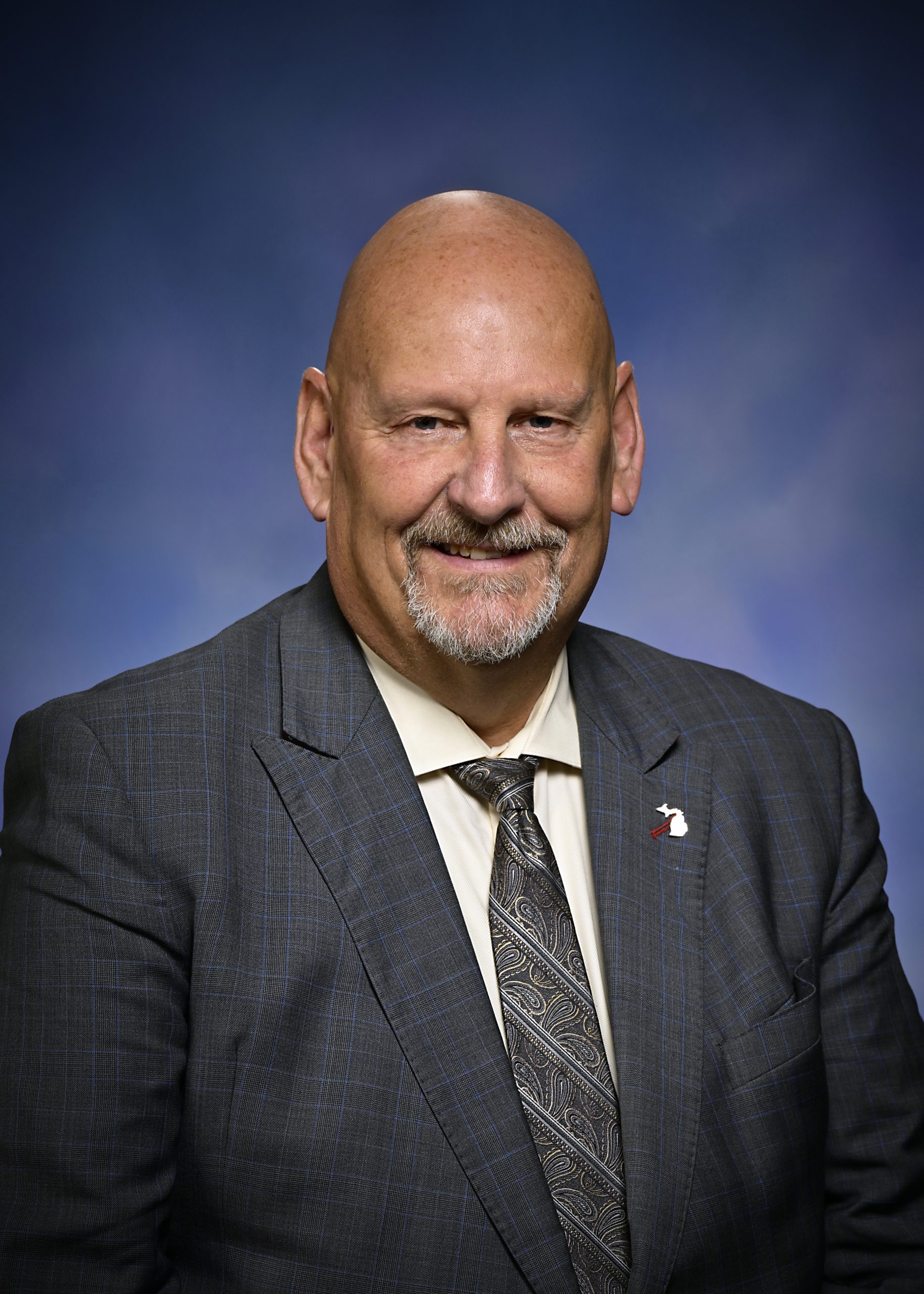
Rep. Curt VanderWall
Sponsored bills
Maddy summaryThis bill requires Michigan's health department to refer children under three years old with elevated blood lead levels to the Early On program, which supports early childhood development. The law mandates that when a child's blood lead level exceeds 10 micrograms per deciliter, the department must notify local health officials or the child's doctor to facilitate this referral. Additionally, the bill maintains existing requirements for the state to run a lead poisoning prevention program, including educational outreach and technical assistance for healthcare providers. The health department must also submit annual reports to the legislature detailing the number of children screened, those with confirmed high lead levels, and how program funds were spent.
Maddy summaryHB 4704 requires Michigan's medical assistance program (like Medicaid) to cover group prenatal care services starting from its effective date. This directly affects pregnant individuals enrolled in Michigan's medical assistance program by making evidence-based group prenatal care available at no extra cost. The bill defines "group prenatal care" as a series of visits in a group setting that includes health assessments, social support, education, and peer interaction in a family-centered environment. The Michigan Department of Health and Human Services must add this coverage to the program under Section 109t of the Social Welfare Act.
Maddy summaryHB 4727 requires courts in Michigan to appoint only licensed professional guardians or conservators for individuals under legal protection (wards, developmentally disabled, or incapacitated persons). It mandates that these professionals must hold a license under Michigan's occupational code, and prohibits unlicensed employees from making medical, financial, or housing decisions for the individuals they serve. The bill also requires transparency by requiring professionals to disclose outside compensation from sources other than the ward's estate and to maintain visitation schedules for wards. These changes take effect two years after the bill's passage.
Maddy summaryHB 4728 requires professional guardians and conservators to obtain a state license. This bill directly affects individuals and agencies that manage finances or personal care for vulnerable adults (like seniors or people with disabilities) who cannot make decisions for themselves. The key provision adds new licensing requirements through amendments to existing law, establishing standards for these professionals. The bill is currently pending in committee review and has not yet become law.
Maddy summaryHB 4729 updates Michigan's rules for appointing guardians of individuals with developmental disabilities. It requires courts to prioritize licensed professional guardians (under Article 14A of the Occupational Code) when appointing guardians, and prohibits unlicensed employees of such guardians from making medical, financial, or housing decisions for these individuals. The law also mandates that courts consider the individual's preference for a guardian before making an appointment. These changes take effect two years after the bill's passage, aiming to ensure guardianship appointments meet professional standards.
Maddy summaryThis bill updates the fees that healthcare providers and medical records companies can charge patients for accessing their medical records in Michigan. It raises the initial request fee from $20 to $31.54 and adjusts per-page copying costs based on the number of pages, with higher rates for pages beyond 20. The law also requires annual fee adjustments starting in 2028 based on the Detroit consumer price index and maintains fee waivers for medically indigent individuals who receive one free set of copies per provider.
Maddy summaryThis bill amends the Michigan Vehicle Code to update time limits for court proceedings related to certain traffic violations, specifically those involving substance use disorder services. It requires courts to schedule initial court appearances within 14 days of arrest, hold pretrial conferences within 35 to 42 days, and finalize cases within 77 days, with specific exceptions for felony charges. The changes apply to individuals charged with misdemeanor traffic violations and ensure consistent timelines for moving cases through the court system. The bill does not alter existing licensing requirements for substance use disorder programs but clarifies how these programs are referenced in vehicle code sections.
Maddy summaryHB 5358 modifies Michigan's teacher licensing requirements. It requires teachers seeking professional certification to complete a 3-credit course on diagnosing and supporting students with reading disabilities, including specific tools and strategies. The bill also creates streamlined pathways for out-of-state teachers to obtain Michigan certification if they've taught successfully for at least 3 years in their previous state, waiving some exam and reading course requirements. These changes directly affect teachers, school districts, and teacher preparation programs by altering certification standards and reciprocity processes.
Maddy summaryThis bill modifies the Student Mental Health Apprenticeship Retention and Training (SMART) grant program to provide financial support for graduate students completing mental health internships in Michigan public schools. It allows eligible graduate students to receive up to $15,000 for a 30-week internship, with payments structured as either an hourly rate or a lump sum, provided they work in schools designated as critical shortage areas or those with high populations of economically disadvantaged students. In exchange for this funding, recipients must agree to work at a public school for at least three years after completing their internship. The program also includes provisions for funding field supervisors and instructors who oversee the interns.