Issue · Labor & Employment

Labor & Employment (Child Labor)

Every labor & employment bill, vote, and legislator stance in Michigan, automatically classified by Maddy, our AI policy reader.

Total bills
8
2025-2026 Regular Session
Top supporter
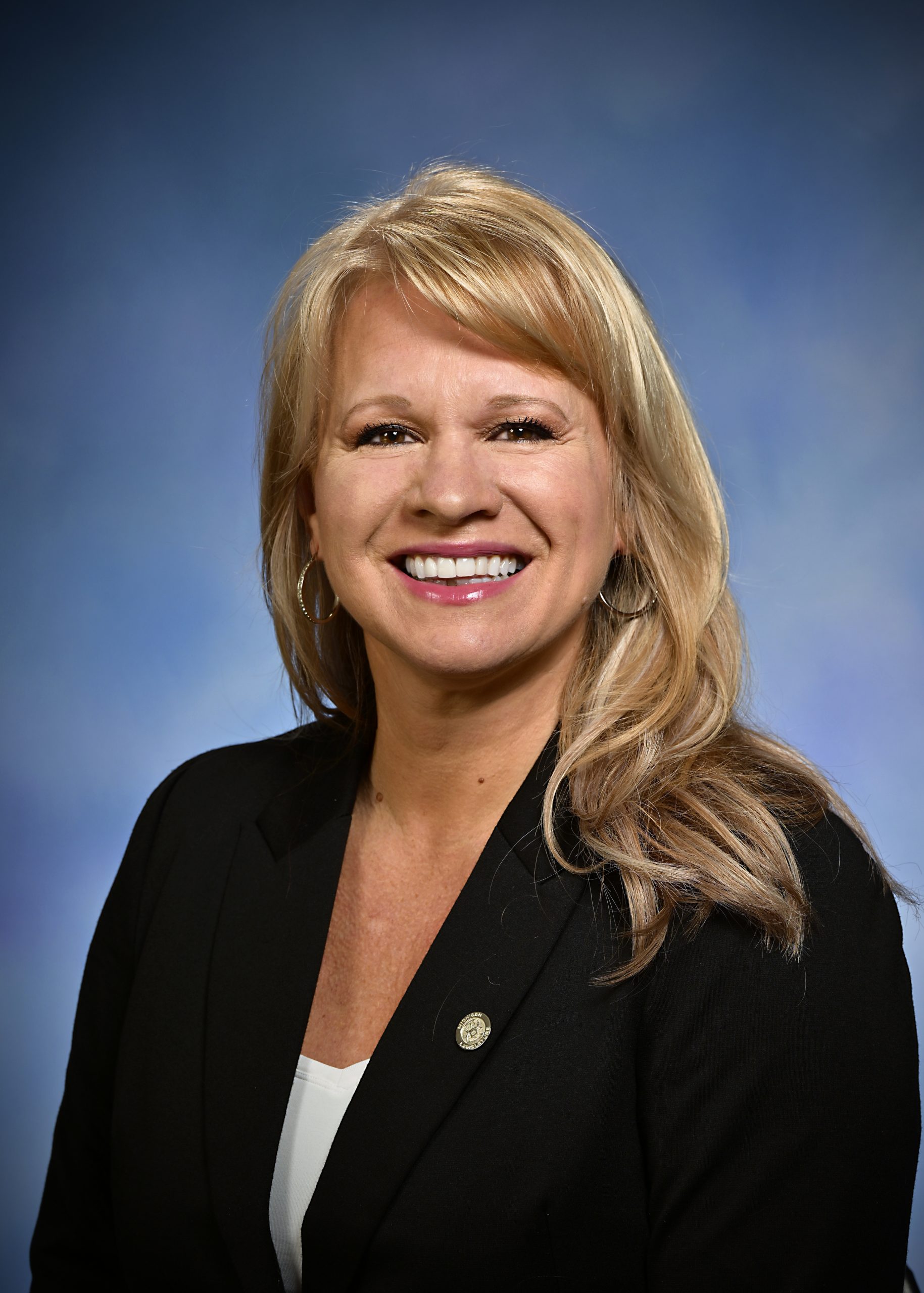
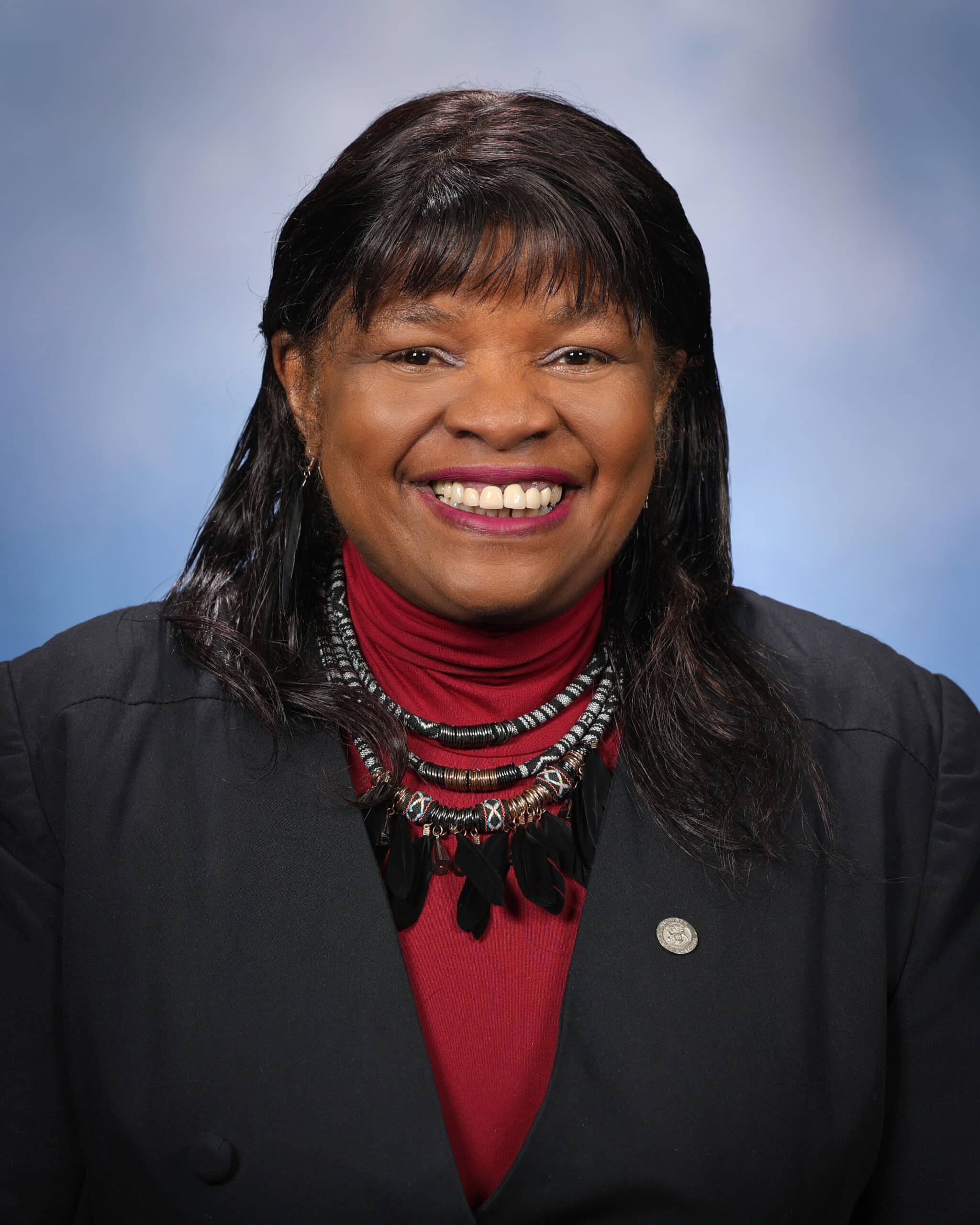
Alicia St. Germaine
75% support rate
Top opponent
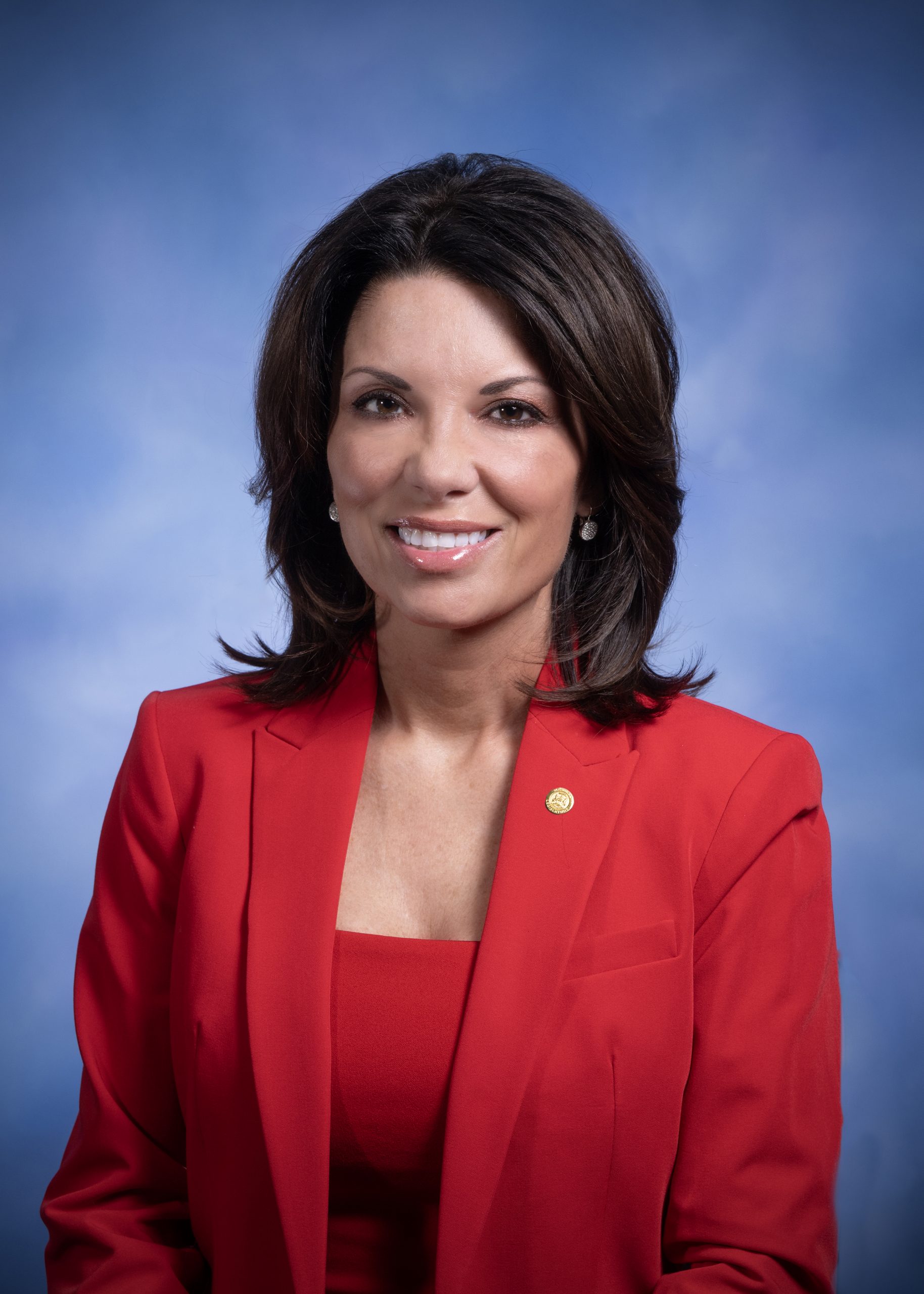
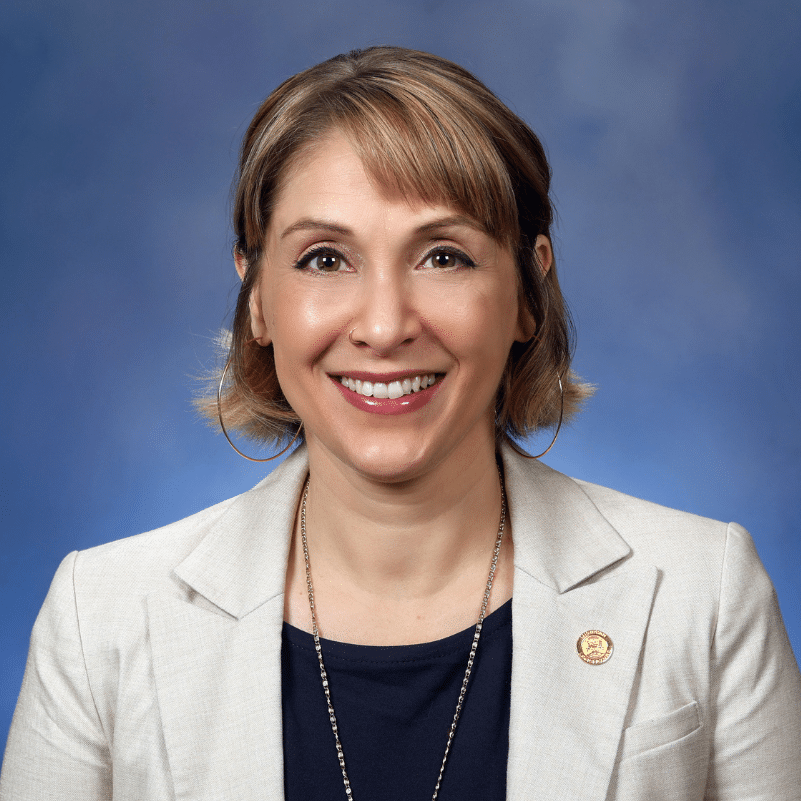
Brenda Carter
0% support rate
Ranked legislators
10
5 support · 5 oppose
Key legislators

Who's moving child labor in Michigan

Legislators moving child labor in Michigan
Legislator Party Stance Support rate Votes
Alicia St. Germaine
Alicia St. Germaine House · District 62
R
Support
75% 4
Angela Rigas
Angela Rigas House · District 79
R
Support
75% 4
Ann Bollin
Ann Bollin House · District 49
R
Support
75% 4
Bill Schuette
Bill Schuette House · District 95
R
Support
75% 4
Brad Slagh
Brad Slagh House · District 85
R
Support
75% 4
Brenda Carter
Brenda Carter House · District 53
D
Strong −
0% 4
Emily Dievendorf
Emily Dievendorf House · District 77
D
Strong −
0% 4
Erin Byrnes
Erin Byrnes House · District 15
D
Strong −
0% 4
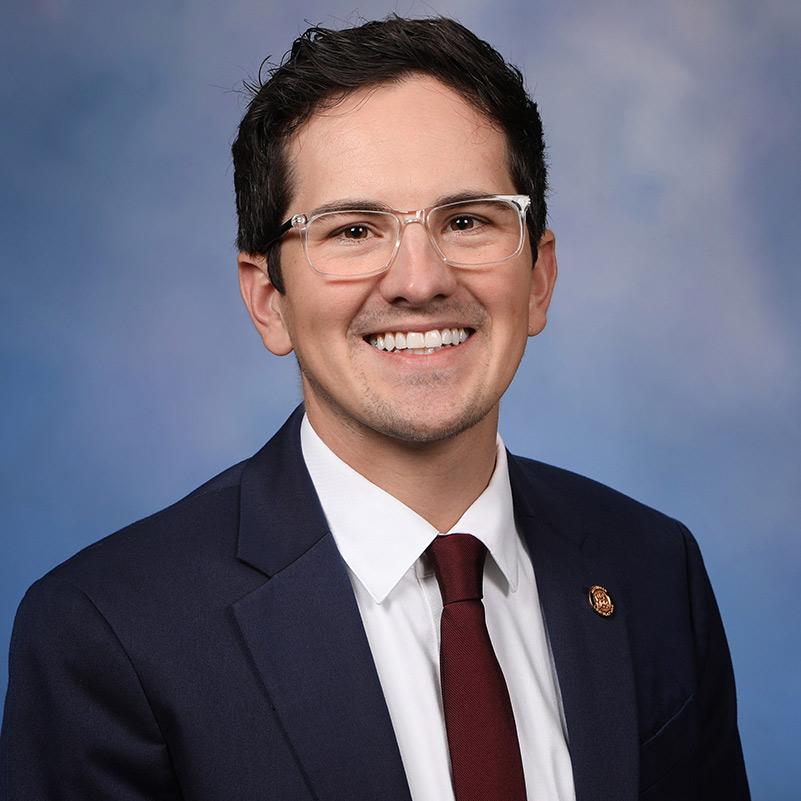
Jason Morgan
Jason Morgan House · District 23
D
Strong −
0% 4
Joe Tate
Joe Tate House · District 9
D
Strong −
0% 4
Showing 8 of 8 bills

All labor & employment bills

passed both · Michigan · House Jul 2, 2026

HB 5727: Labor: youth employment; youth employment standards act; restore former provisions, and eliminate requirement for a work permit. Amends title & secs. 2, 5, 7, 10, 15 & 20 of 1978 PA 90 (MCL 409.102 et seq.); adds sec. 19a & repeals secs. 4a, 4b, 4c, 4d, 6, 8 & 9 of 1978 PA 90 (MCL 409.104a et seq.).

This bill modifies Michigan's Youth Employment Standards Act to update how work permits are issued and managed for minors under 18. It clarifies the documentation required to prove a minor's age, expands acceptable proof options to include school records and other documents, and establishes clearer procedures for when permits can be suspended or revoked due to poor school attendance or legal violations. The legislation also sets specific limits on how many hours minors can work during school weeks and non-school weeks, while removing certain older requirements that are no longer in effect. These changes aim to balance the need for youth employment with protections for minors' education and well-being.
in committee · Michigan · House Jan 22, 2026

HB 5460: State management: purchasing; state procurement of electric motor vehicles made with forced labor; prohibit. Amends secs. 213 & 215 of 1984 PA 431 (MCL 18.1213 & 18.1215).

HB 5460 prohibits Michigan state agencies from purchasing electric motor vehicles or components unless manufacturers provide a sworn declaration confirming no forced labor or oppressive child labor was used in their production, mining, or sourcing. This applies directly to all state agencies acquiring such vehicles, requiring verification of supply chain labor practices before contracts are signed. The bill defines "forced labor" broadly to include coercion, threats, abuse of legal processes, and child labor exploitation. It amends existing procurement laws to enforce this requirement, with no exceptions for state agencies under the transportation department's jurisdiction.
Sub-Topics Child Labor
in committee · Michigan · House May 7, 2025

HB 4441: Labor: youth employment; youth employment standards act; modify penalties for certain violations. Amends secs. 3, 21 & 22 of 1978 PA 90 (MCL 409.103 et seq.).

House Bill 4441 amends Michigan's Youth Employment Standards Act. It expands the types of jobs minors can hold, allowing those 11 and older to work as bridge caddies and 13 and older to set traps for shooting events. The bill strengthens enforcement by granting the Department of Labor Director authority to impose administrative fines up to $5,000 per violation and take legal action, including requiring employers to pay awards to affected minors. Additionally, it prohibits employers from retaliating against employees or minors who exercise their rights under the act. Finally, the bill significantly increases criminal penalties for employers who violate the act, particularly in cases where a minor is killed or suffers great bodily harm while working, introducing mandatory fines and potential imprisonment.
in committee · Michigan · Senate Aug 13, 2025

SB 496: Labor: youth employment; youth employment standards act; restore former provisions and modify penalties. Amends title & secs. 2, 3, 4, 5, 7, 8, 10, 20, 21 & 22 of 1978 PA 90 (MCL 409.102 et seq.) & repeals secs. 4a, 4b, 4c & 4d of 1978 PA 90 (MCL 409.104a et seq.). TIE BAR WITH: SB 0497'25

SB 496 amends Michigan's Youth Employment Standards Act to restore previous work permit requirements and update related rules. It shifts the responsibility for issuing work permits from school officials to the Department of Labor and Economic Opportunity after an 18-month transition period. The bill clarifies exceptions allowing minors as young as 11 to work in specific roles like sports refereeing, golf caddying, or farm work during school breaks, while maintaining safety standards for all youth employment. These changes directly affect minors under 18 seeking jobs, employers hiring them, schools issuing permits, and the Department of Labor enforcing the law. The bill also modifies penalties for violations and removes certain outdated provisions.
in committee · Michigan · House Aug 14, 2025

HB 4762: Labor: youth employment; youth employment in residential building construction; allow under certain conditions. Amends sec. 19 of 1978 PA 90 (MCL 409.119).

HB 4762 allows youth aged 16 or older to work in residential building construction under specific safety conditions. It requires minors to hold an OSHA 10-hour certification, complete a state-approved trades program, and work under direct supervision by a qualified adult (21+ with OSHA certification and 2+ years experience). The bill prohibits work on structures over 6 feet tall (like roofs or scaffolding) and restricts employment to single-family home renovations. This directly affects 16+ year olds seeking construction work in Michigan, expanding opportunities while prioritizing safety through mandatory training and supervision.
in committee · Michigan · Senate Aug 13, 2025

SB 497: Criminal procedure: sentencing guidelines; sentencing guidelines for violation of the youth employment standards act; modify. Amends sec. 14b, ch. XVII of 1927 PA 175 (MCL 777.14b). TIE BAR WITH: SB 496'25

SB 497 amends Michigan's sentencing guidelines to specifically address violations of the Youth Employment Standards Act. It modifies section 14b of the Code of Criminal Procedure (MCL 777.14b) to adjust the sentencing rules for offenses related to youth employment laws. This change directly affects employers who violate rules governing minors' working hours, safety, or other protections under the Youth Employment Standards Act. The bill updates the criminal procedure code to reflect these specific sentencing considerations for youth employment violations.
passed both · Michigan · House Feb 4, 2025

HB 4001: Labor: hours and wages; minimum hourly wage rate; modify. Amends secs. 4 & 4b of 2014 PA 138 (MCL 408.414 & 408.414b) & repeals 2018 PA 337 (MCL 408.931 - 408.945). TIE BAR WITH: HB 4053'25

HB 4001 updates Michigan's minimum wage schedule, setting new rates that increase to $12.00 per hour starting February 21, 2025, and reaching $15.00 by 2029. It replaces the previous 2018 law (PA 337) and adds an annual adjustment mechanism: starting in 2019, the wage will rise each January based on Midwest-region inflation data, capped at 3.5% per year. The bill also modifies youth wage rules, allowing employers to pay new workers under 20 a training rate of 75% of the minimum wage for their first 90 days, while prohibiting displacement of existing workers to hire at this lower rate. This directly affects all hourly workers in Michigan covered by state minimum wage laws, including young workers and employers subject to wage requirements.
signed · Michigan · Senate Feb 25, 2025

SB 8: Labor: hours and wages; minimum hourly wage rate; modify Amends secs. 2, 4, 4d, 9 & 10 of 2018 PA 337 (MCL 408.932 et seq.). TIE BAR WITH: HB 4002'25

SB 8 increases Michigan's minimum hourly wage to $12.48 starting February 21, 2025, with annual raises through 2030 (reaching $15.00 by 2027). It also adjusts the wage annually based on inflation starting in 2027, unless unemployment exceeds 8.5%. The bill includes a provision for tipped workers, allowing employers to pay a lower base wage (starting at 38% of the standard rate in 2025 and rising to 48% by 2030) if workers earn sufficient tips that cover the difference. This directly affects hourly workers and businesses employing them, requiring employers to comply with updated wage rates and tip-sharing rules.