Issue · Labor & Employment

Labor & Employment

Every labor & employment bill, vote, and legislator stance in Michigan, automatically classified by Maddy, our AI policy reader.

Total bills
241
2025-2026 Regular Session
Top supporter
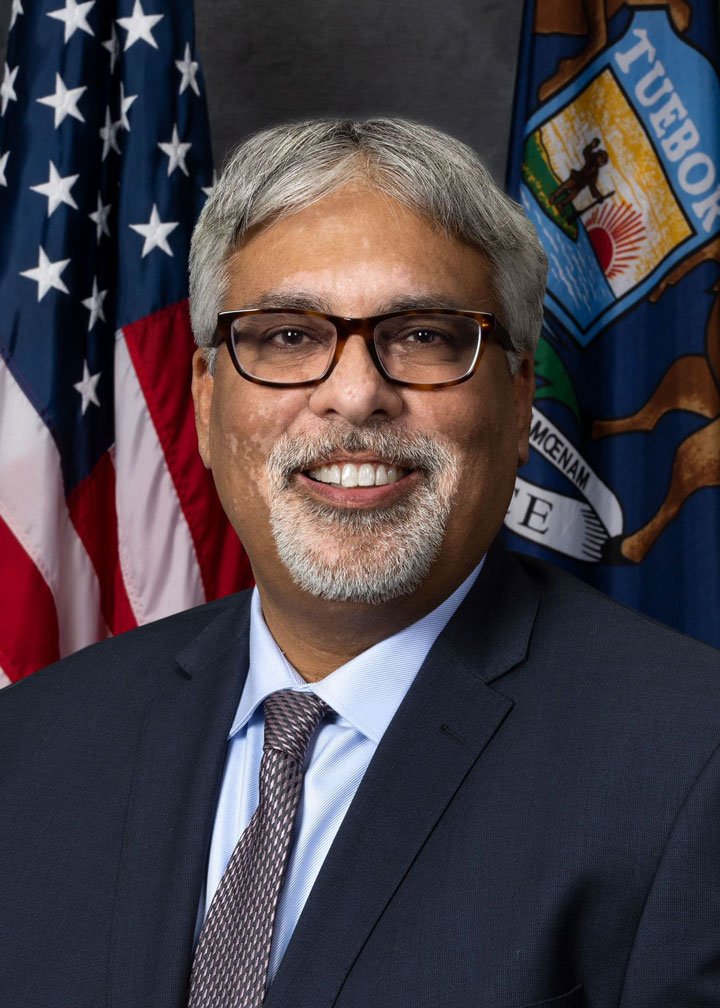
Sam Singh
93% support rate
Top opponent
Thomas Albert
13% support rate
Ranked legislators
10
5 support · 5 oppose
Key legislators

Who's moving labor & employment in Michigan

Legislators moving labor & employment in Michigan
Legislator Party Stance Support rate Votes
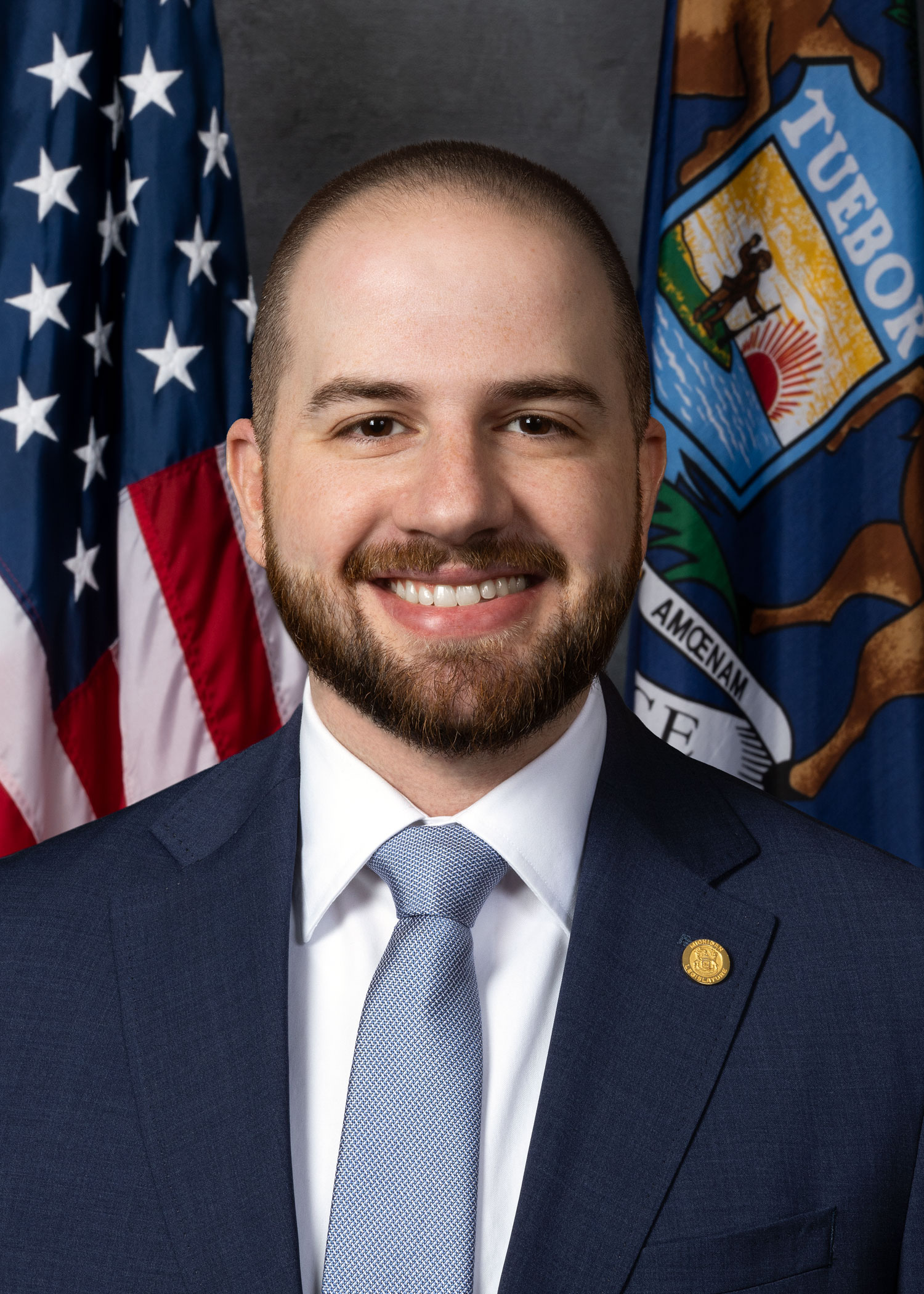
Sam Singh
Sam Singh Senate · District 28
D
Strong +
93% 45
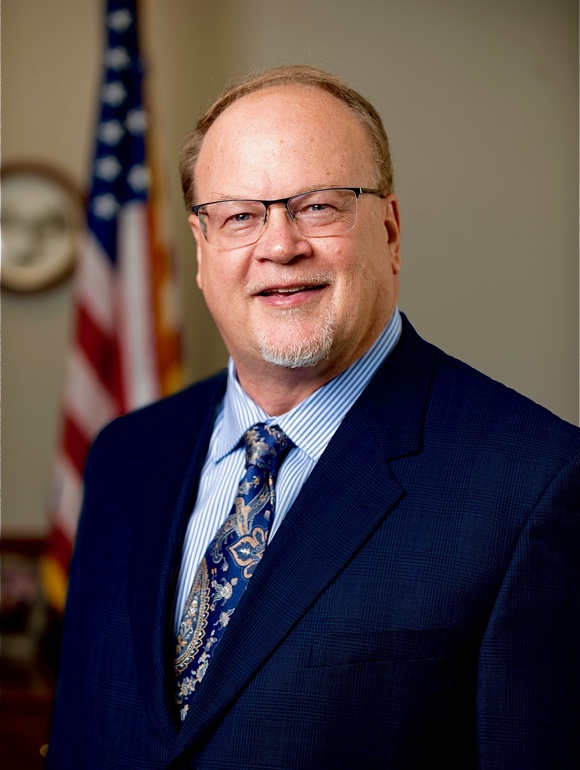
Paul Wojno
Paul Wojno Senate · District 10
D
Strong +
93% 45
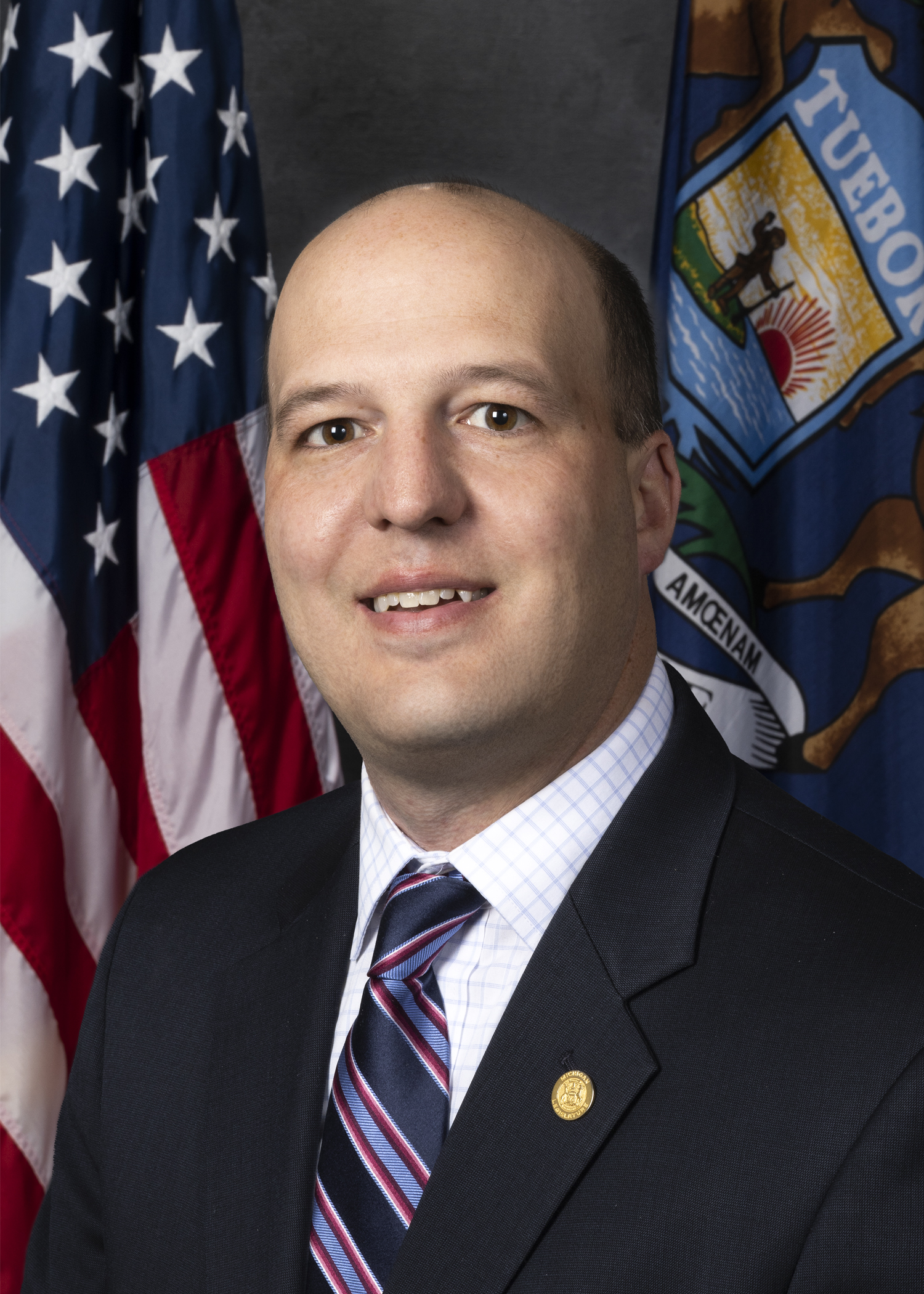
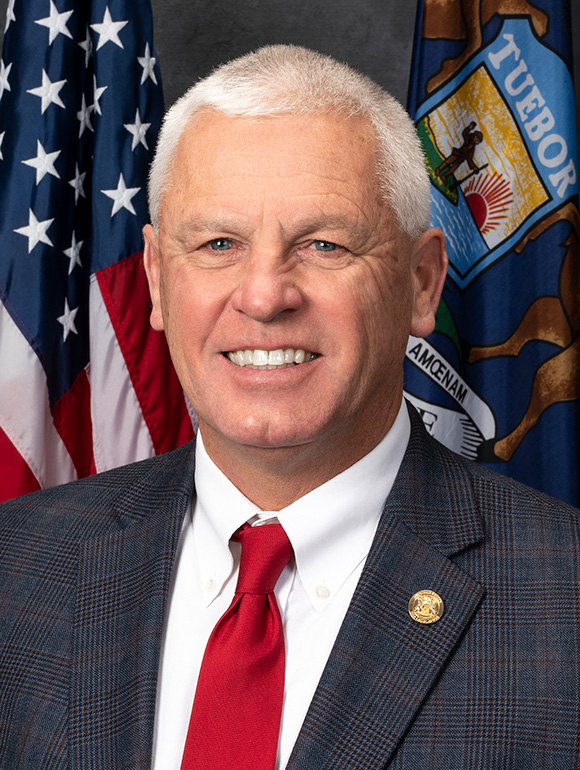
Kevin Hertel
Kevin Hertel Senate · District 12
D
Strong +
93% 46
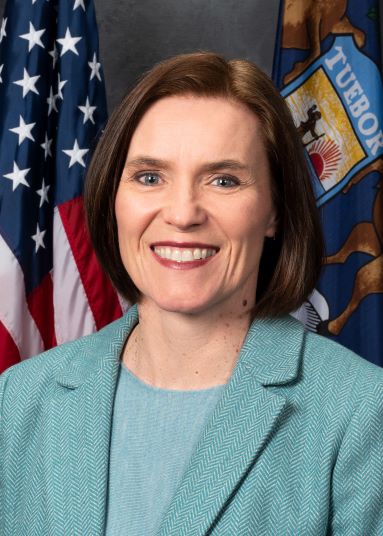
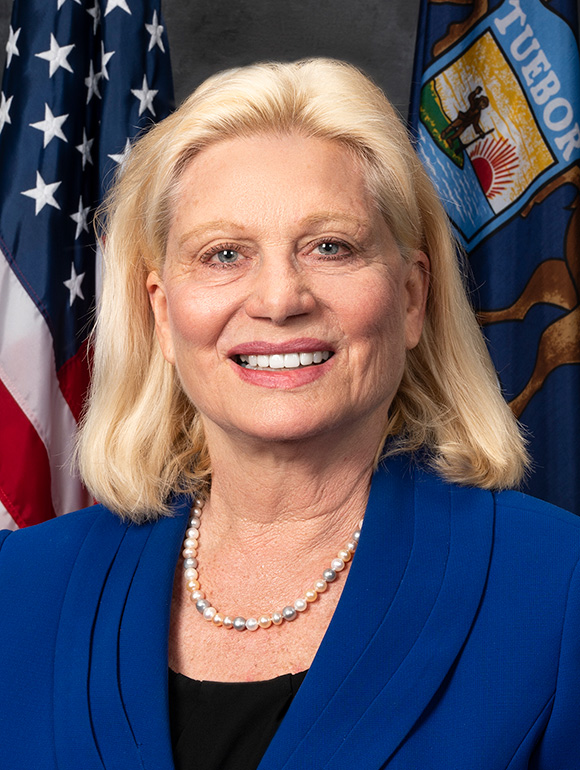
Winnie Brinks
Winnie Brinks Senate · District 29
D
Strong +
93% 45
Jeremy Moss
Jeremy Moss Senate · District 7
D
Strong +
93% 45
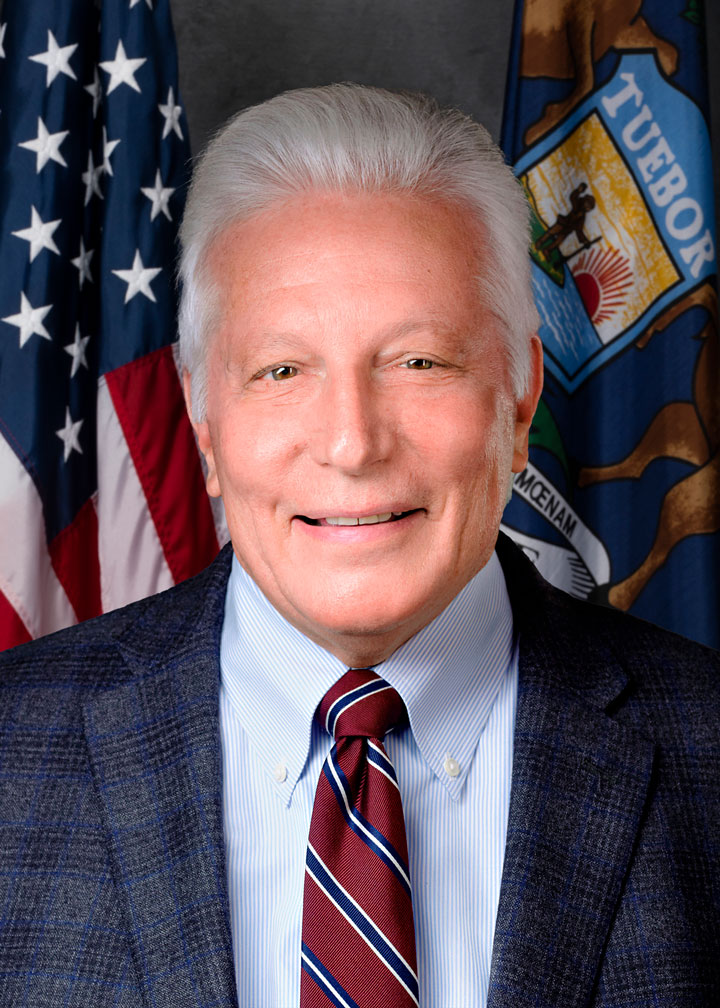
Thomas Albert
Thomas Albert Senate · District 18
R
Strong −
13% 45
Michele Hoitenga
Michele Hoitenga Senate · District 36
R
Strong −
13% 45
Jim Runestad
Jim Runestad Senate · District 23
R
Strong −
14% 39
Jon Bumstead
Jon Bumstead Senate · District 32
R
Strong −
14% 42
Ruth Johnson
Ruth Johnson Senate · District 24
R
Strong −
17% 36
Showing 211–220 of 241 bills

All labor & employment bills

passed both · Michigan · House May 6, 2025

HB 4288: Public employees and officers: state; hiring practices based on anything other than the merit of the prospective employee; prohibit. Creates new act.

HB 4288 prohibits Michigan state agencies from hiring for unclassified positions based on factors other than objective merit, such as education or work experience. It directly affects state agencies hiring for roles outside the classified civil service (e.g., certain executive branch positions). The bill requires hiring decisions to rely solely on merit-based criteria and imposes civil fines of up to $10,000 per violation, with the attorney general authorized to collect penalties. This legislation creates new requirements for state hiring practices under Michigan law.
Sub-Topics Public Employees
in committee · Michigan · House May 7, 2025

HB 4449: Labor: fair employment practices; employment decisions based on the health or illness of an employee's family member; prohibit. Creates new act.

House Bill 4449, known as the "employee family health privacy act," aims to protect employees in Michigan. It prohibits employers from making employment decisions, such as hiring, firing, or compensation, based on the known or believed health condition or illness of an employee's family member. The bill also prevents employers from inquiring about a family member's health status, with exceptions for verifying sick leave, family and medical leave eligibility, or processing health coverage claims. Additionally, it prohibits retaliation against individuals who act to enforce their rights under this act and allows for civil actions to seek remedies for violations.
Sub-Topics Paid Leave
in committee · Michigan · House Aug 21, 2025

HB 4781: Labor: fair employment practices; penalties and payment of back wages for violations of the whistleblowers' protection act; increase. Amends secs. 4 & 5 of 1980 PA 469 (MCL 15.364 & 15.365).

HB 4781 amends Michigan's Whistleblowers' Protection Act to strengthen penalties for employers who retaliate against employees reporting violations. It increases the civil fine for violations from $500 to $2,000 per offense and requires employers to pay triple back wages to affected employees. The bill directly impacts workers who report wrongdoing (whistleblowers) and employers who retaliate, ensuring greater financial accountability. All collected fines must be deposited into the state general fund.
Sub-Topics Labor Standards
signed · Michigan · House Feb 25, 2025

HB 4002: Labor: benefits; requirements for an employer to provide earned sick time, modify. Amends title and secs. 2, 3, 4, 5, 6, 7, 8 & 12 of 2018 PA 338 (MCL 408.962 et seq.) & adds sec. 3a.

HB 4002 amends Michigan's Earned Sick Time Act to clarify eligibility and usage rules for workers. It expands the definition of "family member" to include domestic partners and specifies that employees must work at least 25 hours weekly (averaged over a benefit year) to qualify for sick time. The bill also defines key terms like "benefit year" (a 12-month period for calculating leave) and clarifies that employers with 50+ employees must provide sick time for health, family, or safety needs. These changes aim to make the law's implementation more consistent while maintaining existing requirements for covered workers.
in committee · Michigan · Senate Apr 24, 2025

SB 263: Public employees and officers: compensation and benefits; retention program for certain public employees; create. Creates new act. TIE BAR WITH: SB 262'25

Senate Bill 263, known as the "state employee critical shortage retention program act," establishes a bonus payment program for certain public employees in Michigan. It requires specific state departments, including the Departments of Corrections and State Police, to provide bonuses to "qualified employees." These employees, such as conservation officers and certain corrections or state police personnel, can receive $5,000 for completing two years of service by September 30, 2026. An additional $5,000 is available for completing another two years of service by September 30, 2028, with a maximum total bonus of $10,000 per employee.
passed both · Michigan · House Feb 4, 2025

HB 4001: Labor: hours and wages; minimum hourly wage rate; modify. Amends secs. 4 & 4b of 2014 PA 138 (MCL 408.414 & 408.414b) & repeals 2018 PA 337 (MCL 408.931 - 408.945). TIE BAR WITH: HB 4053'25

HB 4001 updates Michigan's minimum wage schedule, setting new rates that increase to $12.00 per hour starting February 21, 2025, and reaching $15.00 by 2029. It replaces the previous 2018 law (PA 337) and adds an annual adjustment mechanism: starting in 2019, the wage will rise each January based on Midwest-region inflation data, capped at 3.5% per year. The bill also modifies youth wage rules, allowing employers to pay new workers under 20 a training rate of 75% of the minimum wage for their first 90 days, while prohibiting displacement of existing workers to hire at this lower rate. This directly affects all hourly workers in Michigan covered by state minimum wage laws, including young workers and employers subject to wage requirements.
in committee · Michigan · Senate Jun 17, 2025

SB 425: Higher education: community colleges; remission of new jobs credit from withholding to community college districts; clarify application to professional employer organizations. Amends secs. 161 & 163 of 1966 PA 331 (MCL 389.161 & 389.163). TIE BAR WITH: SB 426'25

SB 425 redirects payroll withholdings from employers toward community college job training programs. It clarifies that professional employer organizations (PEOs) can participate in the program, requiring employers to pay new job withholdings directly to community colleges (instead of the state) to fund training. The bill defines a "new job" as one paying at least the local living wage standard (ALICE rate), not replacing existing roles, and creating net new employment. This affects employers (including PEOs), community colleges, and workers in qualifying new positions, with funds used for training programs and bond financing.
in committee · Michigan · House Sep 24, 2025

HB 5008: Employment security: benefits; restitution of improperly collected benefits; decrease percentage of wages permitted to be garnished. Amends sec. 62 of 1936 (Ex Sess) PA 1 (MCL 421.62).

HB 5008 amends Michigan's unemployment benefits law (MCL 421.62) to decrease the maximum percentage of wages that can be garnished for repayment of improperly collected benefits, from 50% to 20%. It directly affects unemployed workers who overreceived benefits, requiring them to repay the excess but limiting wage deductions. The bill also adds new hardship waiver criteria, allowing full repayment relief if a claimant’s household income is at or below 150% of the federal poverty level, or if overpayment resulted from agency errors. It maintains a 3-year deadline for the unemployment agency to seek repayment, except in cases of identity fraud or intentional fraud.
Sub-Topics Unemployment
in committee · Michigan · House Sep 24, 2025

HB 5000: Employment security: benefits; weekly benefit rate; increase. Amends sec. 27 of 1936 (Ex Sess) PA 1 (MCL 421.27).

HB 5000 increases Michigan's unemployment benefit payments for workers with dependents. It amends the calculation method to use 5.1% of the highest-earning quarter's wages (up from 4.1%) plus higher per-dependent amounts. For claims filed after January 1, 2025, the weekly rate rises to $12.66 per dependent (max $446); after 2026, it increases to $19.33 per dependent (max $530). This directly affects unemployed Michigan residents claiming benefits who have dependents, raising their weekly payments through 2028 and beyond.
Sub-Topics Unemployment
in committee · Michigan · House Sep 24, 2025

HB 5006: Employment security: hearings; appeal process for recipient of improperly paid unemployment benefits; provide for. Amends sec. 62 of 1936 (Ex Sess) PA 1 (MCL 421.62).

HB 5006 amends Michigan's unemployment insurance law to clarify how the state recovers benefits paid to individuals who weren't entitled to them. It sets a 3-year limit for the unemployment agency to seek repayment (except for identity fraud cases), limits deductions from future benefits or wages to 50% per payment, and establishes three specific situations where repayment can be waived: if the overpayment resulted from incorrect wage information provided by an employer, if the recipient's household income was at or below 150% of the federal poverty level, or if the overpayment was due to a clerical error by the agency. The bill also specifies that waivers apply from the date of the error or application, and requires refunds for any payments made after a waiver is granted. This directly affects individuals who received unemployment benefits they didn't qualify for, changing how the state enforces repayment and grants relief.
Sub-Topics Unemployment
Showing 211 to 220 of 241 bills
Previous 1 21 22 23 25 Next