Issue · Labor & Employment

Labor & Employment

Every labor & employment bill, vote, and legislator stance in Michigan, automatically classified by Maddy, our AI policy reader.

Total bills
241
2025-2026 Regular Session
Top supporter
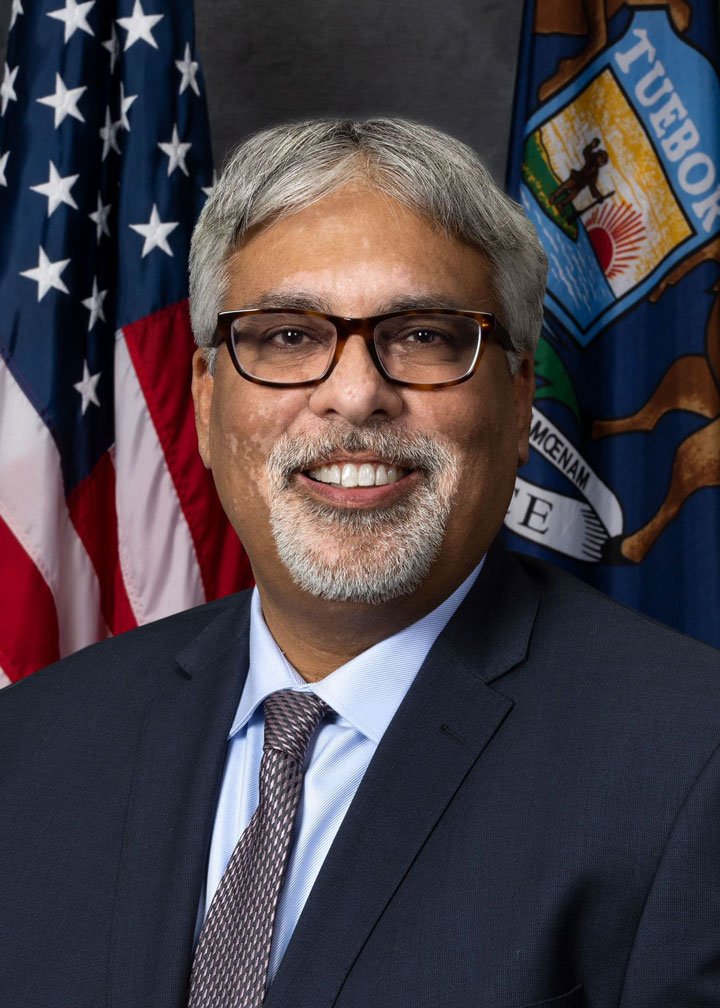
Sam Singh
93% support rate
Top opponent
Thomas Albert
13% support rate
Ranked legislators
10
5 support · 5 oppose
Key legislators

Who's moving labor & employment in Michigan

Legislators moving labor & employment in Michigan
Legislator Party Stance Support rate Votes
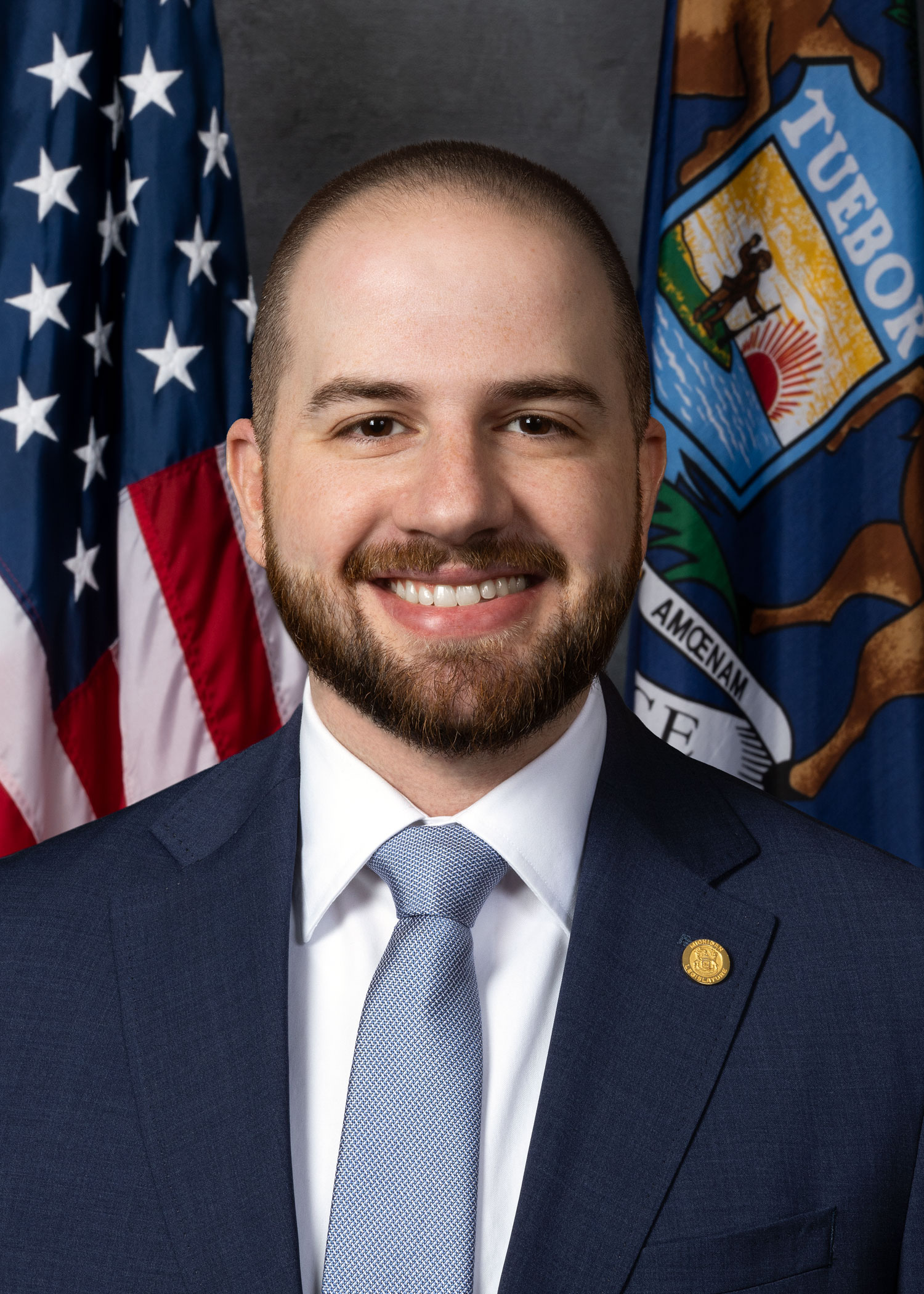
Sam Singh
Sam Singh Senate · District 28
D
Strong +
93% 45
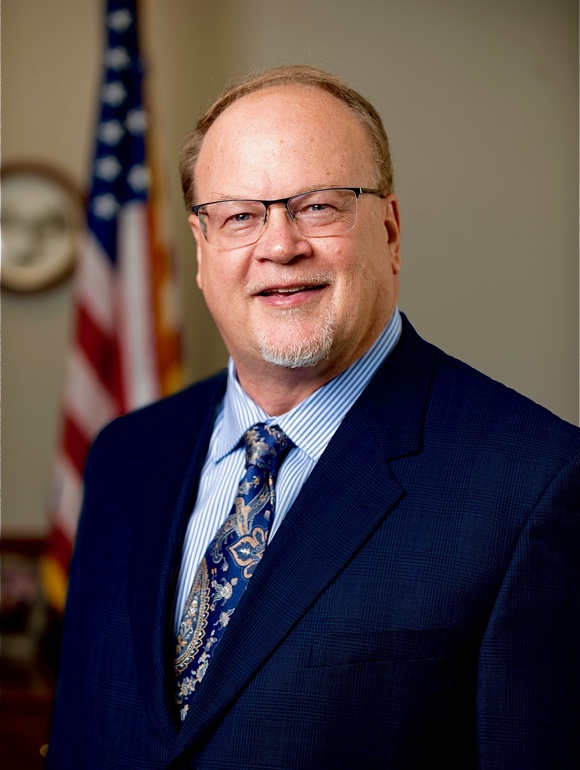
Paul Wojno
Paul Wojno Senate · District 10
D
Strong +
93% 45
Kevin Hertel
Kevin Hertel Senate · District 12
D
Strong +
93% 46
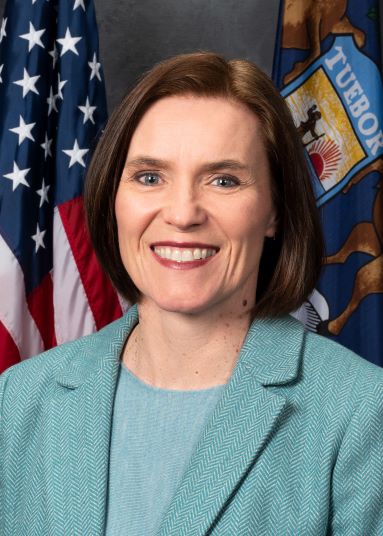
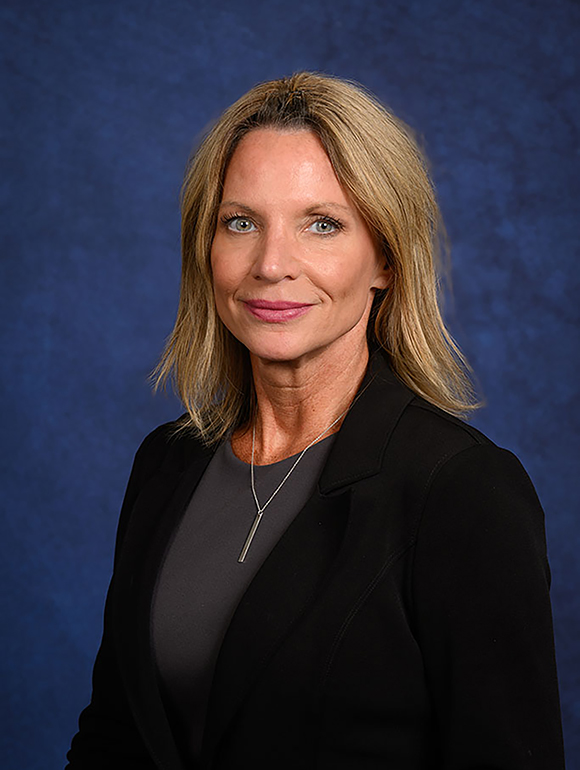
Winnie Brinks
Winnie Brinks Senate · District 29
D
Strong +
93% 45
Jeremy Moss
Jeremy Moss Senate · District 7
D
Strong +
93% 45
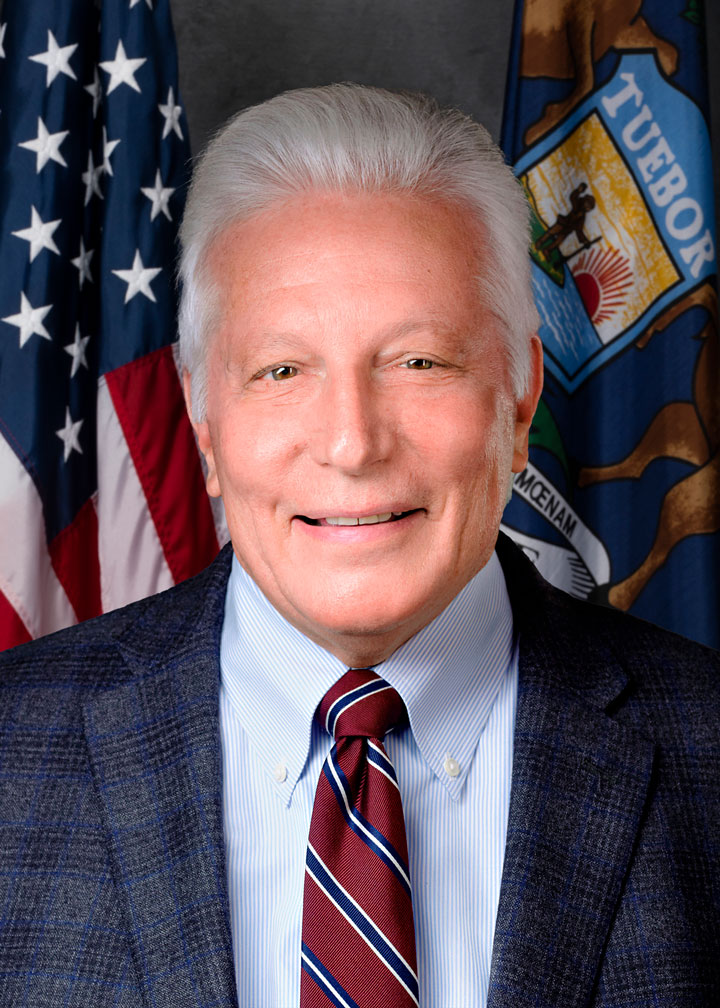
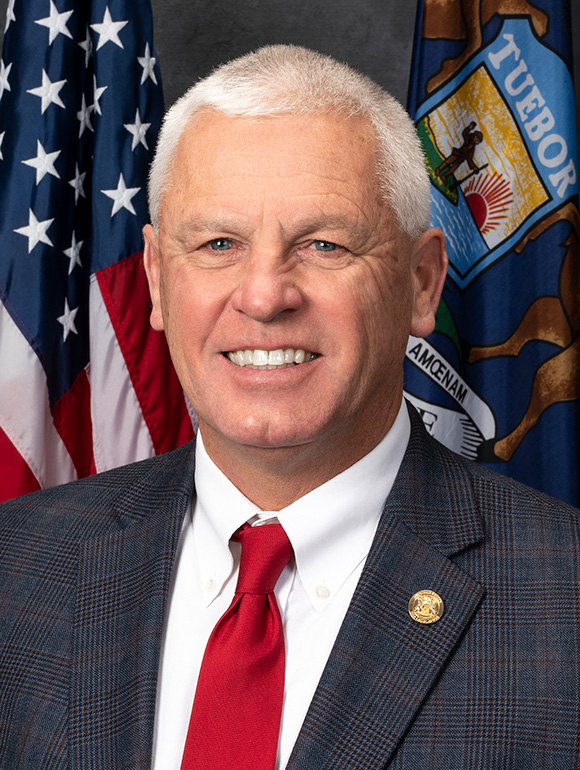
Thomas Albert
Thomas Albert Senate · District 18
R
Strong −
13% 45
Michele Hoitenga
Michele Hoitenga Senate · District 36
R
Strong −
13% 45
Jim Runestad
Jim Runestad Senate · District 23
R
Strong −
14% 39
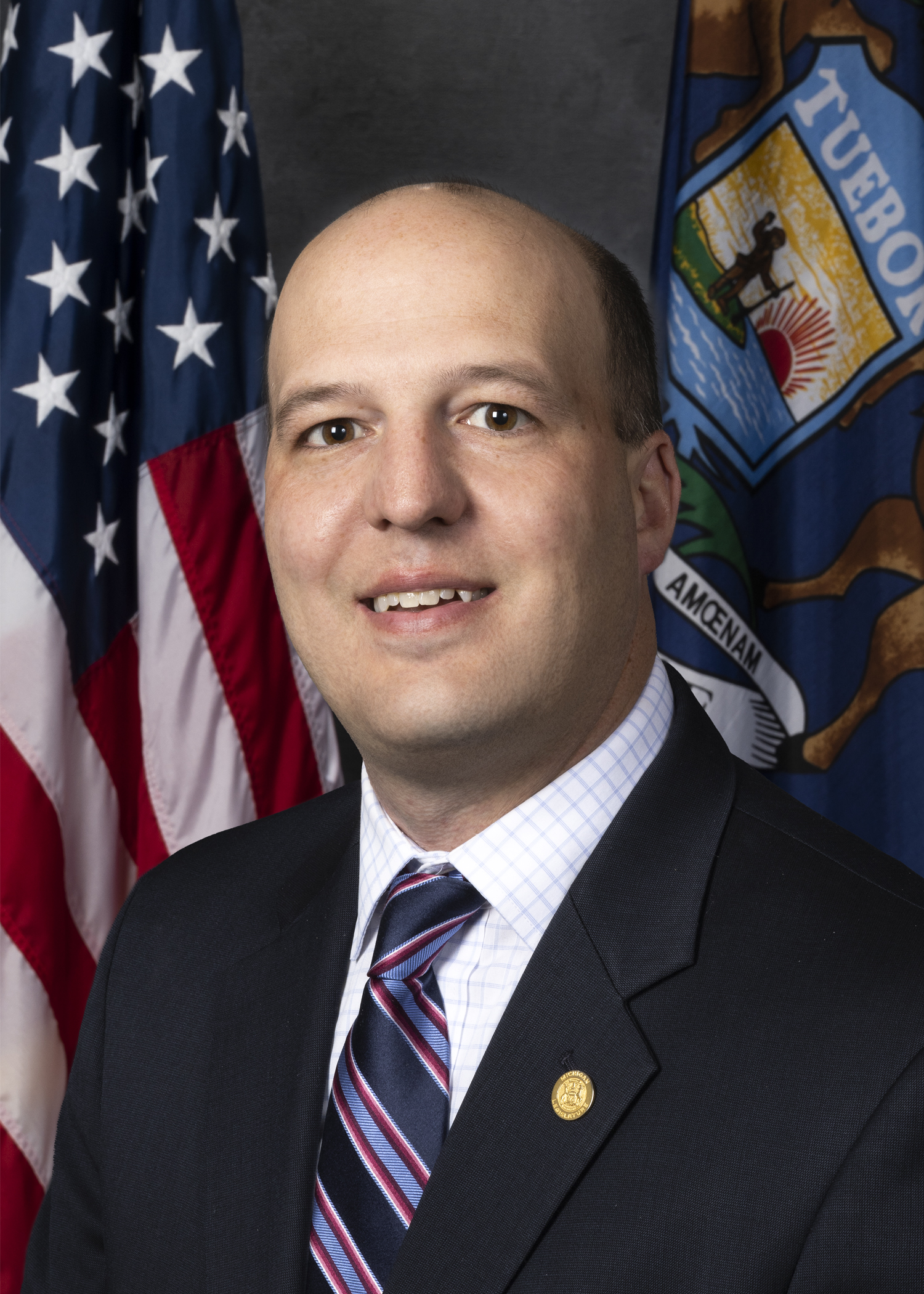
Jon Bumstead
Jon Bumstead Senate · District 32
R
Strong −
14% 42
Ruth Johnson
Ruth Johnson Senate · District 24
R
Strong −
17% 36
Showing 91–100 of 241 bills

All labor & employment bills

in committee · Michigan · House Nov 4, 2025

HB 5187: Worker's compensation: benefits; an employer's or carrier's ability to recoup an overpayment of benefits; provide conditions for. Amends sec. 833 of 1969 PA 317 (MCL 418.833).

HB 5187 amends Michigan's Worker's Disability Compensation Act to clarify when employers or insurance carriers can recoup overpaid benefits to injured workers. It limits recoupment to benefits paid within the past year and requires carriers to prove specific conditions (like employee concealment of earnings or clerical errors) before demanding repayment. The bill also caps recoupment at 50% of weekly benefits for clerical errors and prohibits recoupment if employers unreasonably change their position on a worker's disability. Magistrates may waive recoupment if it causes undue harm to the injured worker.
passed · Michigan · Senate Jun 30, 2026

SB 702: Civil procedure: foreclosure; foreclosure or garnishment of wages for medical debt; prohibit. Creates new act. TIE BAR WITH: SB 0701'25

SB 702, the "Medical Debt Protection Act," limits how medical debt can be collected in Michigan. It prohibits interest or late fees for 90 days after a bill is due and caps annual interest at 3%. The bill bans wage garnishment, foreclosure, and other aggressive collection tactics for patients eligible for financial assistance under a healthcare facility’s policy. It also restricts selling medical debt to third parties without strict safeguards, requiring debt buyers to follow specific rules and return debt if a patient qualifies for financial help. The law directly affects patients with medical debt, large healthcare facilities, and medical debt collectors.
Sub-Topics Mortgages
passed · Michigan · Senate Oct 23, 2025

SB 314: Retirement: county employees; employment of retirant in a county sheriff’s office; allow without forfeiting retirement allowance. Amends sec. 12a of 1851 PA 156 (MCL 46.12a).

SB 314 allows county employees who have retired to be re-employed in a county sheriff's office without losing their retirement allowance. It directly affects retired county employees seeking to work in sheriff's offices. The bill amends Michigan's retirement law (MCL 46.12a) to remove the current restriction that would require forfeiting retirement benefits upon re-employment. This change creates a specific exception for sheriff's office positions. The bill passed the legislature on October 23, 2025, with 31 yeas, 4 nays, and 6 excused/not voting.
in committee · Michigan · House Dec 2, 2025

HB 5286: Economic development: brownfield redevelopment authority; environmental brownfield redevelopment program; modify. Amends secs. 19608a, 19608b, 19609, 19610, 19610a, 19611, 19612, 19613, 20108b & 21506a of 1994 PA 451 (MCL 324.19608a et seq.) & adds pt. 192.

HB 5286 establishes a formal brownfield redevelopment grant and revolving loan program under Michigan's environmental law. The program provides funding to local governments (counties, cities, townships) for eligible cleanup and redevelopment activities at contaminated properties, including environmental assessments, site remediation, and demolition. Projects must demonstrate measurable economic benefits (like job creation or tax revenue) and environmental benefits (advancing cleanup standards), with grants/loans capped at $2 million per project. Applicants must prove financial capability, show compliance with environmental laws, and avoid being responsible for the site's contamination. The program draws from existing funds like the Clean Michigan Initiative Bond Fund and the State Brownfield Redevelopment Fund.
in committee · Michigan · House Nov 4, 2025

HB 5181: Worker's compensation: mediation; requirement to mediate certain claims for benefits; restore. Amends sec. 847 of 1969 PA 317 (MCL 418.847) & adds sec. 224.

HB 5181 requires mediation for specific worker's compensation claims before they proceed to formal hearings. It applies directly to workers filing claims for medical benefits only, claims where the worker has returned to work, or claims without an attorney, as well as cases the agency identifies as suitable for mediation. The bill mandates that the agency schedules mediation meetings, provides claimants with clear benefit estimates, and explains their rights before the session. Unresolved claims under $10,000 must go to a small claims division, while larger claims go to a magistrate. Failure to participate in required mediation prevents a party from moving forward with their claim.
in committee · Michigan · House Aug 14, 2025

HB 4763: Public employees and officers: compensation and benefits; public safety officers benefit act; modify definition of public safety officer to include certain medical examiners and part-time firefighters. Amends sec. 2 of 2004 PA 46 (MCL 28.632).

HB 4763 amends Michigan's Public Safety Officers Benefit Act (2004 PA 46) to expand eligibility for benefits by modifying the definition of "public safety officer." It specifically adds county medical examiners, deputy county medical examiners, and medical examiner investigators to the list of qualifying roles, alongside existing categories like law enforcement officers and firefighters. The bill also clarifies that "firefighter" now explicitly includes part-time or volunteer members of fire departments. These changes ensure these additional public safety personnel qualify for benefits such as medical coverage and survivor support under the act. The bill was introduced on August 13, 2025, and referred to the Committee on Insurance.
Tags Public Safety
passed · Michigan · Senate Mar 19, 2025

SB 51: State agencies (proposed): boards and commissions; Black leadership advisory council; establish. Creates new act.

SB 51 establishes the Black Leadership Advisory Council to address racial inequity in Michigan. The council, composed of 15 governor-appointed members (including representation from specific fields like health and education, an immigrant expert, and a member aged 18-35), must develop policies to eliminate discrimination in areas like housing, employment, and healthcare. It is required to identify discriminatory state laws, collaborate with the governor on equitable legislation, and submit annual reports. The council operates independently but receives department staff support, with no compensation for members beyond expense reimbursement.
in committee · Michigan · House Jun 5, 2025

HB 4548: Civil rights: general discrimination; discrimination because of ethnicity, including discrimination because of Jewish heritage; prohibit under the Elliot-Larsen civil rights act. Amends title & secs. 102, 103, 202, 203, 204, 205, 206, 207, 209, 210, 301, 302, 302a, 402, 502, 504, 505, 506 & 507 of 1976 PA 453 (MCL 37.2102 et seq.).

HB 4548 amends Michigan's Elliott-Larsen Civil Rights Act to explicitly prohibit discrimination based on ethnicity, including antisemitism. It defines antisemitism as discriminatory conduct or communication motivated by hatred of Jews, covering specific acts like denying the Holocaust, accusing Jews of collective responsibility, or making dehumanizing stereotypes (as listed in sections i-xii of the bill). The law protects individuals in employment, housing, public accommodations, and education from such discrimination, while clarifying that criticism of Israel similar to criticism of other nations is not covered (exception xiii). This expands existing protections under the act to specifically address antisemitic discrimination without altering other protected categories like religion or race.
in committee · Michigan · House May 13, 2025

HB 4475: Civil rights: employment discrimination; discrimination based on certain vaccination status; prohibit. Amends title of 1976 PA 453 (MCL 37.2101 - 37.2804) & adds art. 5A.

House Bill 4475 proposes to amend the Elliott-Larsen Civil Rights Act to prohibit discrimination based on an individual's vaccination status or whether they possess an "immunity passport." It would prevent state or local governmental entities, private universities, and community colleges from denying services, goods, educational opportunities, healthcare, or employment for these reasons. Employers would also be prohibited from discriminating against individuals in hiring, termination, or terms of employment due to vaccination status. The bill includes specific exceptions, such as for certain child care organizations, federal contractors, and regulated entities whose funding depends on compliance with federal health regulations. Additionally, it allows vaccination requirements for employees in roles with direct exposure to infectious materials or in public health/medical settings where vaccinations are necessary for their duties.
in committee · Michigan · House Mar 12, 2025

HB 4197: Housing: homeless; homeless bill of rights; provide for. Creates new act.

HB 4197 establishes Michigan's "Bill of Rights for the Homeless," creating new legal protections for individuals experiencing homelessness. It guarantees rights including free movement in public spaces, equal access to services and employment (without discrimination over lack of permanent address), emergency medical care, voting access, and privacy protections for records shared with shelters. The bill also allows local governments to create designated "safe outdoor spaces" for encampments and provides legal remedies for violations, such as court orders or damages. It directly affects homeless residents across Michigan, particularly youth aged 13-23, by prohibiting discrimination in public services, housing, and schools. The law takes effect 90 days after enactment.
Showing 91 to 100 of 241 bills
Previous 1 9 10 11 25 Next