Issue · Labor & Employment

Labor & Employment

Every labor & employment bill, vote, and legislator stance in Michigan, automatically classified by Maddy, our AI policy reader.

Total bills
21
119th Congress
Top supporter
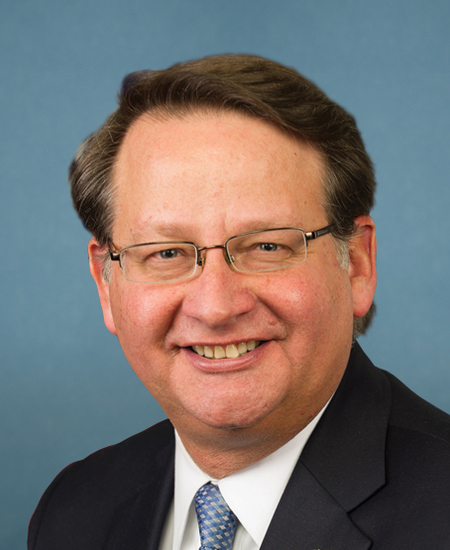
Gary C. Peters
75% support rate
Top opponent
John R. Moolenaar
38% support rate
Ranked legislators
10
5 support · 5 oppose
Key legislators

Who's moving labor & employment in Michigan

Legislators moving labor & employment in Michigan
Legislator Party Stance Support rate Votes
Gary C. Peters
Gary C. Peters Senate
D
Support
75% 212
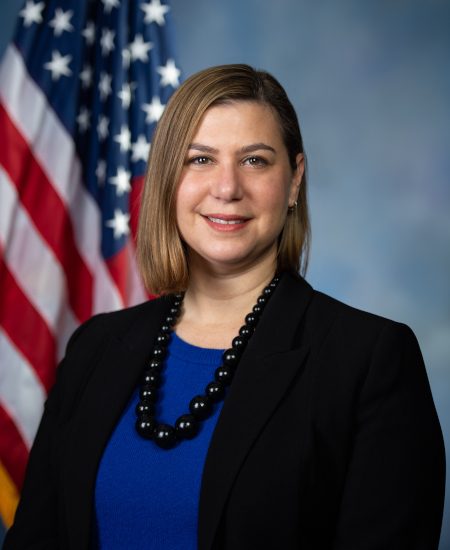
Elissa Slotkin
Elissa Slotkin Senate
D
Support
75% 211
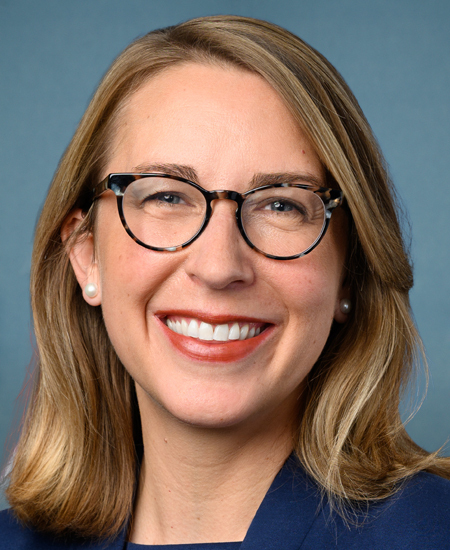
Hillary J. Scholten
Hillary J. Scholten House · District 3
D
Support
69% 192
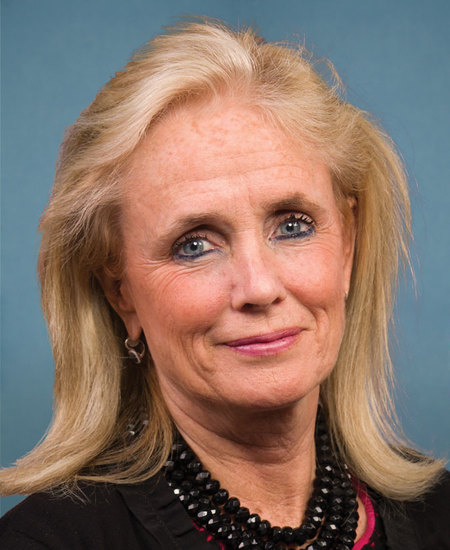
Debbie Dingell
Debbie Dingell House · District 6
D
Support
62% 194
Haley M. Stevens
Haley M. Stevens House · District 11
D
Support
62% 198
John R. Moolenaar
John R. Moolenaar House · District 2
R
Oppose
38% 196
Jack Bergman
Jack Bergman House · District 1
R
Oppose
38% 197
Tim Walberg
Tim Walberg House · District 5
R
Oppose
38% 196
Tom Barrett
Tom Barrett House · District 7
R
Oppose
38% 197
John James
John James House · District 10
R
Oppose
38% 191
Showing 1–10 of 21 bills

All labor & employment bills

in committee · United States · House Sep 3, 2026

HR 10250: No Preference Act

HR 10250, known as the No Preference Act, prohibits federal executive agencies and the Department of Defense from requiring or giving preference to contractors based on their use of union labor. The bill amends existing laws to ensure that government contract awards cannot be influenced by whether a company's workers are covered by collective bargaining agreements. This change directly affects federal procurement processes by mandating that offers be evaluated without regard to the labor status of the bidding firms.
in committee · United States · House May 19, 2026

HR 8901: Securing Innovation and Research from Adversaries Act

HR 8901, the Securing Innovation and Research from Adversaries Act, prohibits federally funded researchers and institutions from collaborating with entities on specific U.S. government restricted lists, such as those related to national security risks or forced labor. The bill defines research collaboration broadly to include joint projects, data sharing, co-authorship, and personnel exchanges, and it requires agencies to issue guidance for standardized compliance. While the law generally bans these partnerships, it allows federal agency heads to grant case-by-case waivers if the collaboration is essential for national security or critical scientific purposes, provided they report the decision and justification to Congress within 30 days.
in committee · United States · House May 21, 2026

HR 8736: Restoration of Employment Choice for Adults with Disabilities Act

This bill modifies federal rules to allow adults with disabilities aged 18 and older to work for employers at wages below the standard minimum rate, whereas the previous law restricted this option to individuals under 24. It requires these employers to make documented efforts to find suitable jobs for their employees at regular intervals and permits the use of subminimum wages only if state agencies fail to provide necessary job counseling and referrals. Additionally, the bill mandates that employers must provide copies of these job search records to the individuals they employ. These changes aim to expand employment opportunities for adults with disabilities while maintaining specific oversight to ensure they are not denied access to regular competitive employment.
Sub-Topics Child Labor Labor Standards Minimum Wage Tags People with Disabilities
in committee · United States · House Feb 25, 2026

HR 7682: Closing the Workforce Gap Act of 2026

This bill, titled the Closing the Workforce Gap Act of 2026, modifies the H-2B temporary worker visa program by adjusting numerical limits, strengthening enforcement measures, and adding new requirements for employers. It directly affects employers seeking to hire foreign workers under the H-2B program and the workers themselves. The legislation caps the number of H-2B visas at half the number of certified positions from the previous year, while exempting rural and seasonal locations from this limit. It also increases penalties for employers who misrepresent information or fail to meet program requirements, establishes a formal complaint process for workers, and requires employers to maintain workplace safety plans and report certain employment issues to authorities. Additionally, the bill restricts H-2B petitions to nationals from countries designated as participating based on factors like visa fraud rates and overstay statistics, and prohibits workers from paying fees for recruitment or petition processing.
in committee · United States · House Jan 7, 2025

HR 236: Federal Employee Return to Work Act

This bill requires federal employees who telework at least one day weekly (or 20% of their time under alternative schedules) to be paid at the "Rest of U.S." locality pay rate without future adjustments. It excludes employees who telework daily, those with disabilities receiving accommodations, Foreign Service members, law enforcement officers, and military personnel on active duty. Covered employees will no longer receive annual pay adjustments under standard federal pay schedules. The policy takes effect at the start of the first full fiscal year after the bill becomes law. It directly affects federal workers meeting the telework threshold, altering their pay structure based on location.
in committee · United States · House Jan 16, 2025

HR 473: SHOW UP Act of 2025

HR 473, the SHOW UP Act of 2025, requires federal executive agencies to return to pre-pandemic telework policies within 30 days of enactment, limiting work-from-home options to those in place on December 31, 2019. Agencies must then conduct a 6-month study analyzing pandemic-era telework impacts - including effects on mission performance, costs from underused office space, and employee productivity tools - and submit a plan to Congress if they seek to expand telework beyond these baseline levels. The plan requires certification from the Office of Personnel Management confirming it will improve mission performance, reduce real estate costs, lower locality pay expenses, and ensure secure remote work capabilities without increasing agency costs. This bill directly affects all federal executive agencies (excluding the Government Accountability Office) and their employees by restricting telework flexibility and imposing strict requirements for any future expansion.
in committee · United States · House Feb 10, 2025

HR 1172: No Social Security for Illegal Aliens Act of 2025

HR 1172 would amend the Social Security Act to prevent undocumented immigrants from earning Social Security credits for work performed in the U.S. without authorization. It specifically excludes wages earned and self-employment income derived during periods when an individual lacked work authorization from counting toward Social Security benefits. This change applies retroactively to all wages earned before, on, or after the law's enactment, affecting future benefit calculations for undocumented workers. The bill directly impacts individuals working without legal status, ensuring such work does not contribute to their Social Security eligibility or future benefits.
Sub-Topics Work Authorization
in committee · United States · House Sep 26, 2025

HR 5596: FARMS Act

HR 5596, the FARMS Act, freezes the current wage rate for H-2B visa workers for two years after enactment. It directly affects H-2B nonimmigrant workers and their employers by preventing increases to the required wage rate during this period. The bill allows the Secretary of Labor to retain the existing wage rate if they determine a valid calculation method for the new rate is unavailable. This provides temporary stability to employers hiring H-2B workers without requiring immediate changes to wage payments.
in committee · United States · House Mar 5, 2025

HR 1870: SPEED for BEAD Act

The SPEED for BEAD Act (HR 1870) amends the federal broadband deployment program (BEAD) to accelerate network expansion. It defines "gigabit-level broadband" as 1,000 Mbps download speeds, requires unused funds to be returned to the Treasury instead of reallocated, and allows states to remove high-cost locations from project areas. The bill prohibits grant conditions related to labor practices (e.g., union requirements), diversity initiatives, climate policies, or network management rules, while ensuring all broadband technologies meeting speed standards are eligible. It also explicitly bans government regulation of broadband pricing, directly affecting states administering BEAD funds and the internet providers they fund.
in committee · United States · House Sep 8, 2026

HR 3495: Direct Seller and Real Estate Agent Harmonization Act

This bill amends the Fair Labor Standards Act to clarify that direct sellers and qualified real estate agents (as defined under IRS rules) are not considered "employees" under federal labor law. It directly affects these workers by excluding them from FLSA protections like minimum wage and overtime pay. The key provision inserts a new definition into the law, changing how these professions are classified for labor rights purposes. This is a technical definitional change, not a new policy or program.
Showing 1 to 10 of 21 bills
1 2 3 Next