Issue · Healthcare

Healthcare (Medical Licensing)

Every healthcare bill, vote, and legislator stance in Michigan, automatically classified by Maddy, our AI policy reader.

Total bills
77
2025-2026 Regular Session
Top supporter
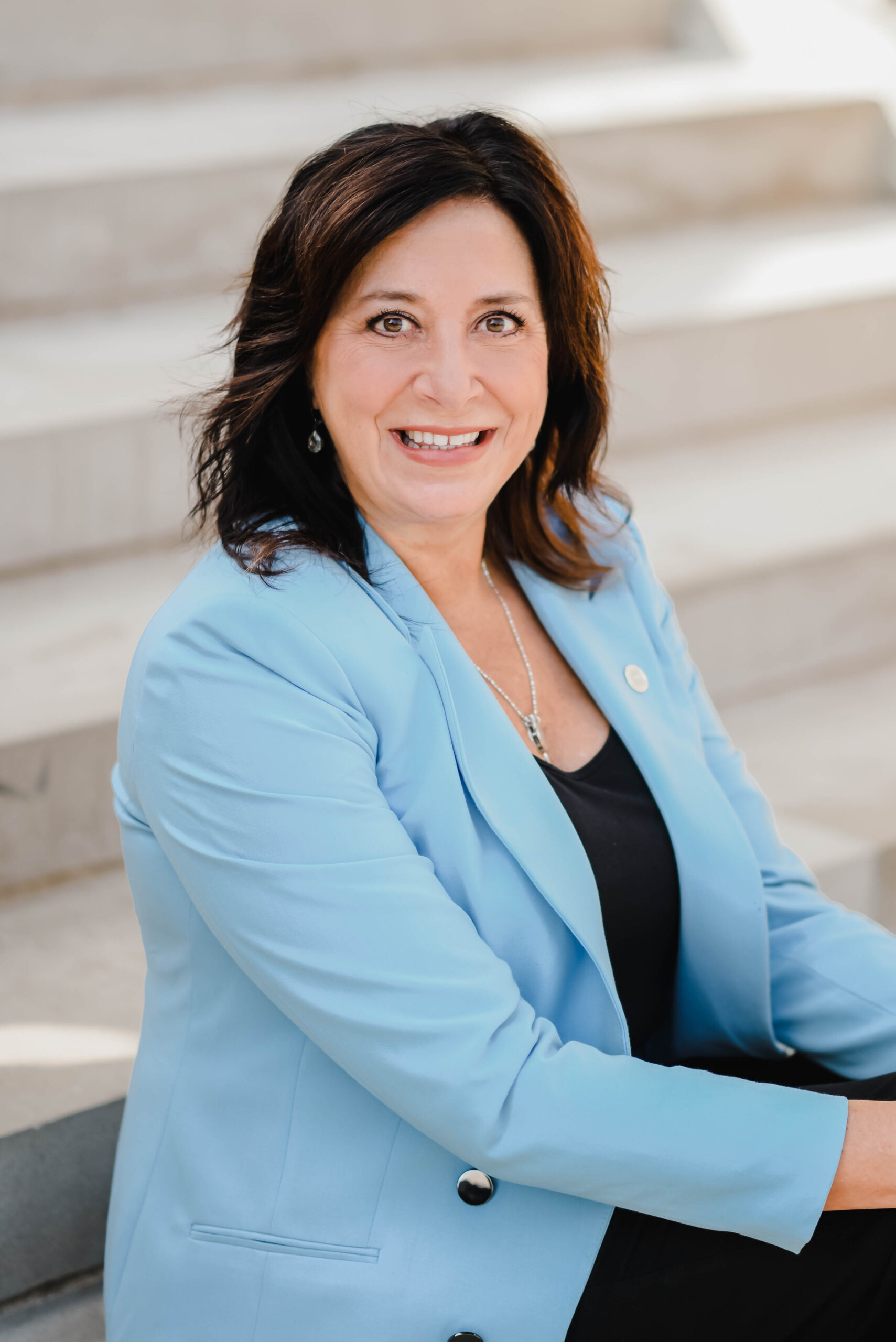
Angela Witwer
83% support rate
Top opponent
Carrie Rheingans
33% support rate
Ranked legislators
10
5 support · 5 oppose
Key legislators

Who's moving medical licensing in Michigan

Legislators moving medical licensing in Michigan
Legislator Party Stance Support rate Votes
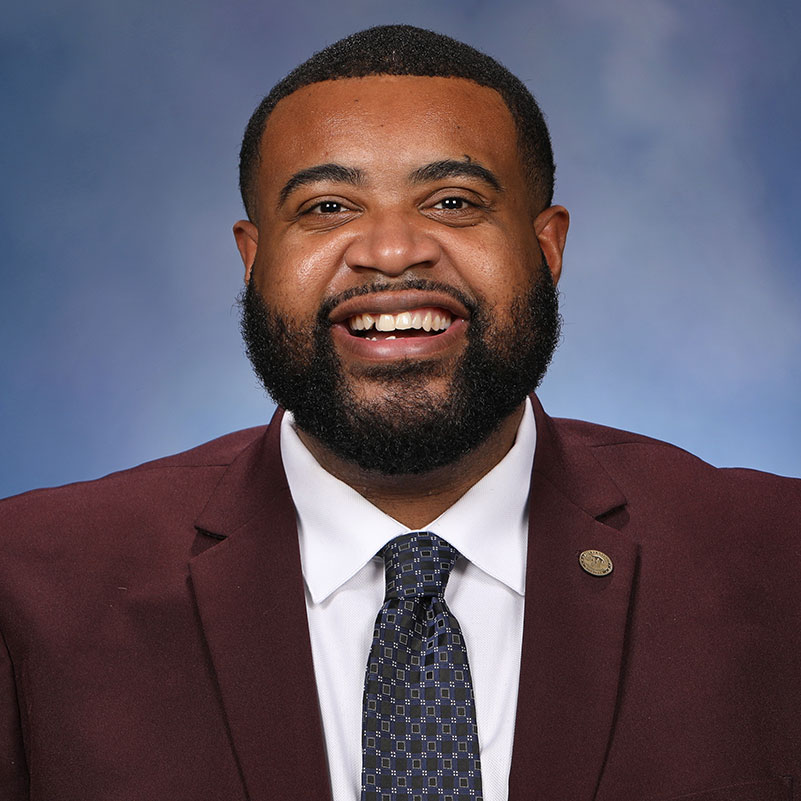
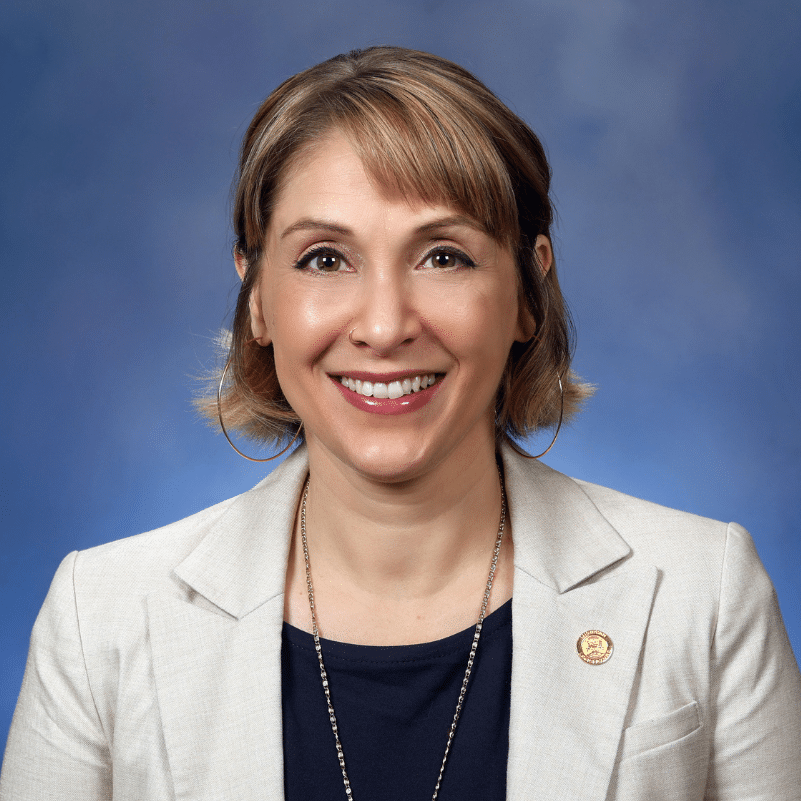
Angela Witwer
Angela Witwer House · District 76
D
Strong +
83% 6
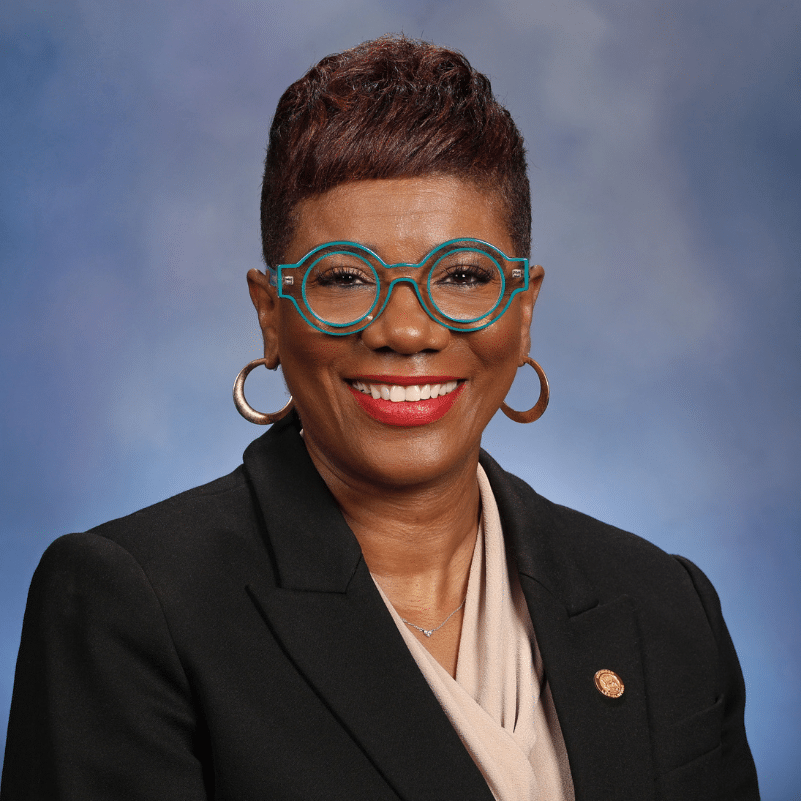
Cynthia Neeley
Cynthia Neeley House · District 70
D
Strong +
83% 6
Denise Mentzer
Denise Mentzer House · District 61
D
Strong +
83% 6
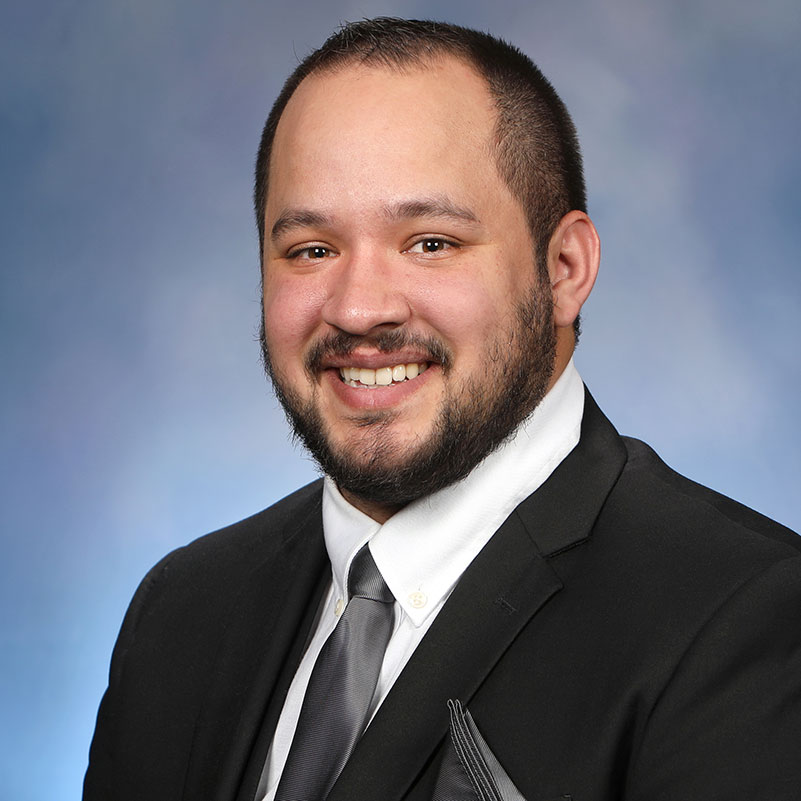
Jason Hoskins
Jason Hoskins House · District 18
D
Strong +
83% 6
Jaz Martus
Jaz Martus House · District 69
D
Strong +
83% 6
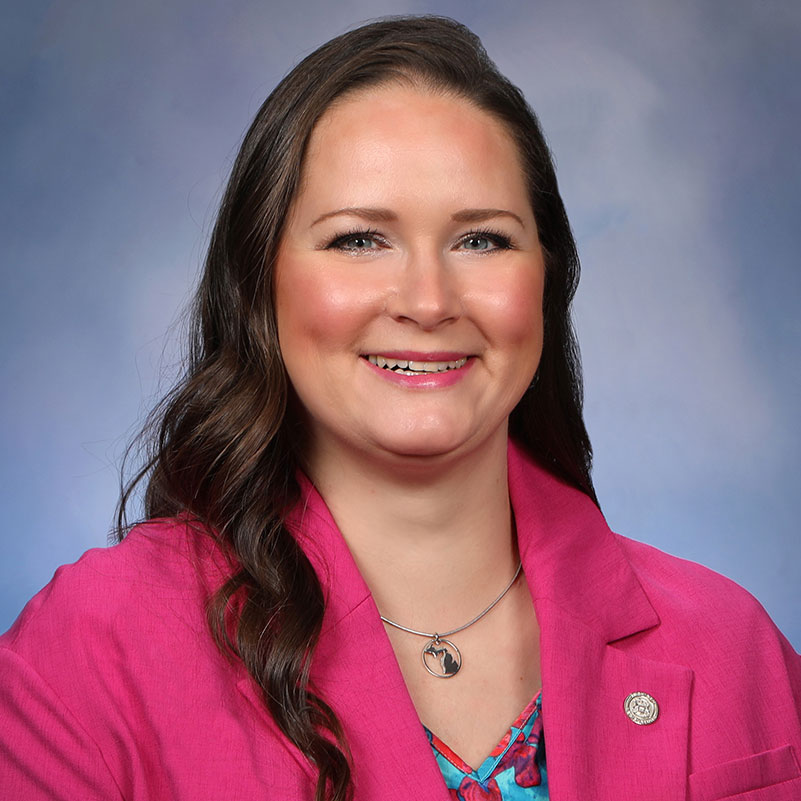
Carrie Rheingans
Carrie Rheingans House · District 47
D
Oppose
33% 6
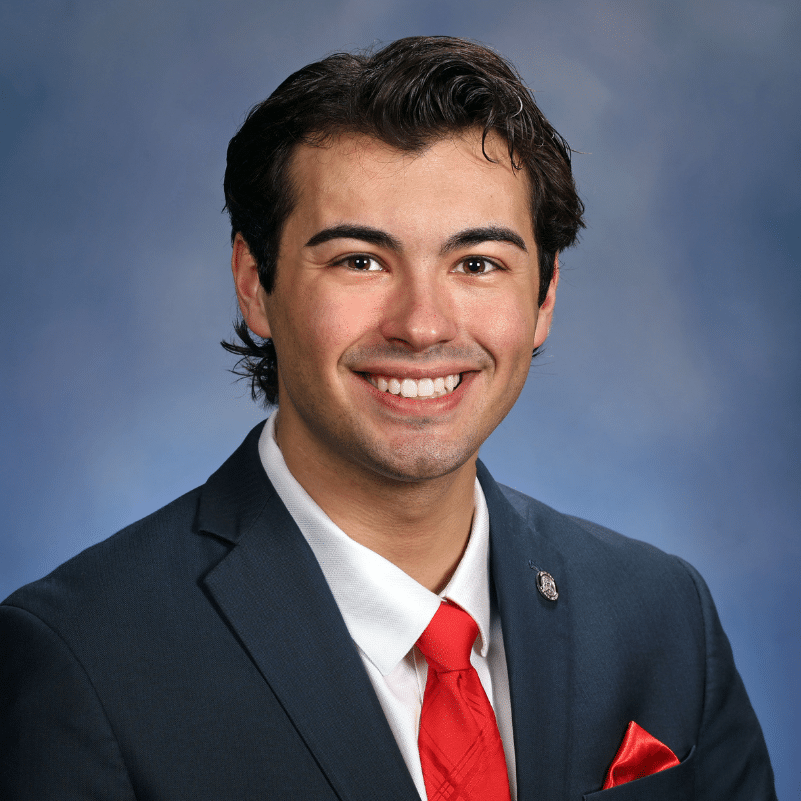
Donavan McKinney
Donavan McKinney House · District 11
D
Oppose
33% 6
Dylan Wegela
Dylan Wegela House · District 26
D
Oppose
33% 6
Emily Dievendorf
Emily Dievendorf House · District 77
D
Oppose
33% 6
Erin Byrnes
Erin Byrnes House · District 15
D
Oppose
33% 6
Showing 21–30 of 77 bills

All healthcare bills

in committee · Michigan · House Feb 19, 2026

HB 5522: Health occupations: physician's assistants; licensure of physician's assistants; modify. Amends (see bill).

HB 5522 amends Michigan's Public Health Code to update delegation rules for physician assistants (PAs). It clarifies that supervising physicians may delegate specific medical tasks to PAs under certain conditions, including direct physical supervision during procedures. The bill specifies that PAs can perform surgical tasks only when a licensed physician is present, and outlines requirements for health facilities to authorize such delegation. These changes directly affect PAs, physicians, and healthcare facilities by defining clearer boundaries for PA scope of practice under supervision.
in committee · Michigan · Senate May 13, 2026

SB 799: Mental health: facilities; licensure for adult residential psychiatric programs; provide for. Creates new act.

SB 799 creates a new licensing system for adult psychiatric residential treatment facilities (APRTFs) that provide 24-hour residential psychiatric care to adults 18+ with severe mental health needs. It requires facilities to obtain a license from the Michigan Department of Licensing and Regulatory Affairs, pay fees ($2,000 initial, $1,000 renewal), and undergo on-site inspections before operating. The bill sets standards for care, defines prohibited exclusions (like psychiatric hospitals or nursing homes), and specifies that licensed facilities must offer individualized treatment plans certified by a physician. This directly affects APRTFs currently operating without state licensing, requiring them to meet new regulatory requirements to continue providing services.
in committee · Michigan · House Feb 10, 2026

HB 5513: Insurance: health insurers; procedures and timelines for the credentialing of healthcare providers; provide for. Amends 1956 PA 218 (MCL 500.100 - 500.8302) by adding sec. 3406vv. TIE BAR WITH: HB 5512'26

HB 5513 requires Michigan's insurance department to create a standardized application process for health insurers to verify healthcare providers' qualifications (credentialing). This directly affects health insurers operating in Michigan and the healthcare providers seeking to be listed on insurance provider networks. The bill establishes a uniform application form under Section 3406uu of the Insurance Code and clarifies that insurers aren't required to violate nationally recognized credentialing standards. The bill is tied to the enactment of related legislation (HB 5512) to take effect.
in committee · Michigan · House Feb 10, 2026

HB 5512: Insurance: health insurers; procedures and timelines for the credentialing of health care providers; provide for. Amends 1956 PA 218 (MCL 500.100 - 500.8302) by adding sec. 3406uu. TIE BAR WITH: HB 5513'26

HB 5512 sets clear timelines for health insurers to process applications from healthcare providers seeking to join their provider networks. Insurers must acknowledge receipt within 7 days, notify providers of incomplete applications within 30 days (giving them 30 days to fix issues), and complete the credentialing process within 60 days total. If approved, insurers must reimburse providers for covered services starting from when the completed application was received. This directly affects doctors, clinics, and other healthcare providers applying to be in insurer networks, ensuring faster access to network participation.
in committee · Michigan · Senate Feb 26, 2026

SB 805: Health facilities: other; licensure of freestanding hyperbaric oxygen therapy facilities; provide for. Amends 1978 PA 368 (MCL 333.1101 - 333.25211) by adding secs. 21211, 21213, 21215, 21217, 21219, 21221, 21223, 21227 & 21231 to pt. 212. TIE BAR WITH: SB 0803'26, SB 0804'26, SB 0806'26

SB 805 establishes licensing requirements for standalone hyperbaric oxygen therapy clinics in Michigan. It mandates that these facilities obtain state licensure, appoint a qualified medical director and safety coordinator, comply with NFPA 99 safety standards, and meet FDA-approved treatment protocols. Clinics must display their license/permit and accreditation publicly, provide patients with clear information about treatment risks, FDA-approved uses, and insurance coverage limitations, and obtain written consent before treatment. The bill directly affects clinic operators, healthcare providers, and patients receiving hyperbaric oxygen therapy, ensuring standardized safety and transparency.
in committee · Michigan · House Mar 3, 2026

HB 5590: Health facilities: other; licensure of freestanding hyperbaric oxygen therapy facilities; provide for. Amends 1978 PA 368 (MCL 333.1101 - 333.25211) by adding secs. 21211, 21213, 21215, 21217, 21219, 21221, 21223, 21227 & 21231 to pt. 212. TIE BAR WITH: HB 5591'26, HB 5592'26, HB 5593'26

HB 5590 requires freestanding hyperbaric oxygen therapy facilities (which use pressurized oxygen chambers for medical treatment) to obtain state licensure. It directly affects facility owners, operators, medical directors, and safety coordinators by mandating specific qualifications, safety protocols (like NFPA 99 compliance), and accreditation standards. Facilities must publicly display licenses, accreditation, FDA-approved treatment indications, and safety rules, and provide patients with written information about risks, benefits, and insurance coverage limitations. The bill also requires facilities to document compliance with safety standards and patient consent forms detailing FDA-approved uses.
in committee · Michigan · House Feb 3, 2026

HB 5488: Health occupations: emergency medical services personnel; licensure of medical first responders and emergency medical technicians; allow at 17 years of age. Amends sec. 20950 of 1978 PA 368 (MCL 333.20950). TIE BAR WITH: HB 5489'26

HB 5488 lowers the minimum age requirement for licensure as a medical first responder or emergency medical technician (EMT) in Michigan from 18 to 17 years old. It amends Section 20950 of the Public Health Code (MCL 333.20950), specifically changing the age requirement in subsection (2)(a) from "18 years of age or older" to allow 17-year-olds to apply. The bill does not alter other licensing requirements, such as education programs, passing exams administered by the National Registry of Emergency Medical Technicians, or military service pathways. This change directly affects 17-year-olds seeking these emergency medical services roles who previously could not obtain licensure until age 18.
in committee · Michigan · House Feb 3, 2026

HB 5489: Health occupations: emergency medical services personnel; licensure of medical first responders and emergency medical technicians; allow at 17 years of age. Amends 1978 PA 368 (MCL 333.1101 - 333.25211) by adding sec. 20950a. TIE BAR WITH: HB 5488'26

HB 5489 would allow 17-year-olds to apply for medical first responder and emergency medical technician (EMT) licenses in Michigan, provided their application includes parental or guardian consent. It maintains an 18-year-old minimum for higher-level roles like paramedics, emergency medical services instructors, or EMT specialists. The bill amends Michigan's Public Health Code to establish these age requirements for EMS licensure, directly affecting young individuals seeking entry into emergency medical careers. This change requires the concurrent passage of HB 5488 to take effect.
in committee · Michigan · Senate Jan 15, 2026

SB 766: Health: licensing; relicensure and reregistration of certain temporary and limited licenses; provide for. Amends sec. 16201 of 1978 PA 368 (MCL 333.16201).

SB 766 amends Michigan's Public Health Code to clarify relicensing rules for health professionals holding temporary or limited licenses. The bill ensures these professionals can apply for relicensure within three years of license expiration by meeting the continuing education and competency requirements that were in effect at the time of expiration - rather than current standards. For licenses expired less than 60 days, holders may continue practicing by paying late fees and fulfilling continuing education requirements during this grace period. This change specifically extends the three-year relicensing window to temporary and limited licenses, which were previously not explicitly covered under the existing provision.
signed · Michigan · House Apr 14, 2026

HB 5455: Health occupations: physicians; interstate medical licensure compact; update. Amends 1978 PA 368 (MCL 333.1101 - 333.25211) by adding sec. 16189.

HB 5455 enacts Michigan's participation in the Interstate Medical Licensure Compact, allowing physicians licensed in participating states to more easily obtain licenses in Michigan and other member states. This directly affects physicians seeking to practice across state lines, particularly through telehealth or in rural areas with healthcare shortages. The bill establishes a streamlined "expedited license" process for eligible physicians who meet specific criteria (like holding a full license in another member state and having no disciplinary history), while requiring physicians to follow the licensing rules of the state where the patient is located during care. It does not change Michigan's existing medical practice laws but creates a new pathway for multi-state licensure through a standardized compact process.
Showing 21 to 30 of 77 bills
Previous 1 2 3 4 8 Next