Issue · Healthcare

Healthcare (Mental Health)

Every healthcare bill, vote, and legislator stance in Michigan, automatically classified by Maddy, our AI policy reader.

Total bills
72
2025-2026 Regular Session
Top supporter
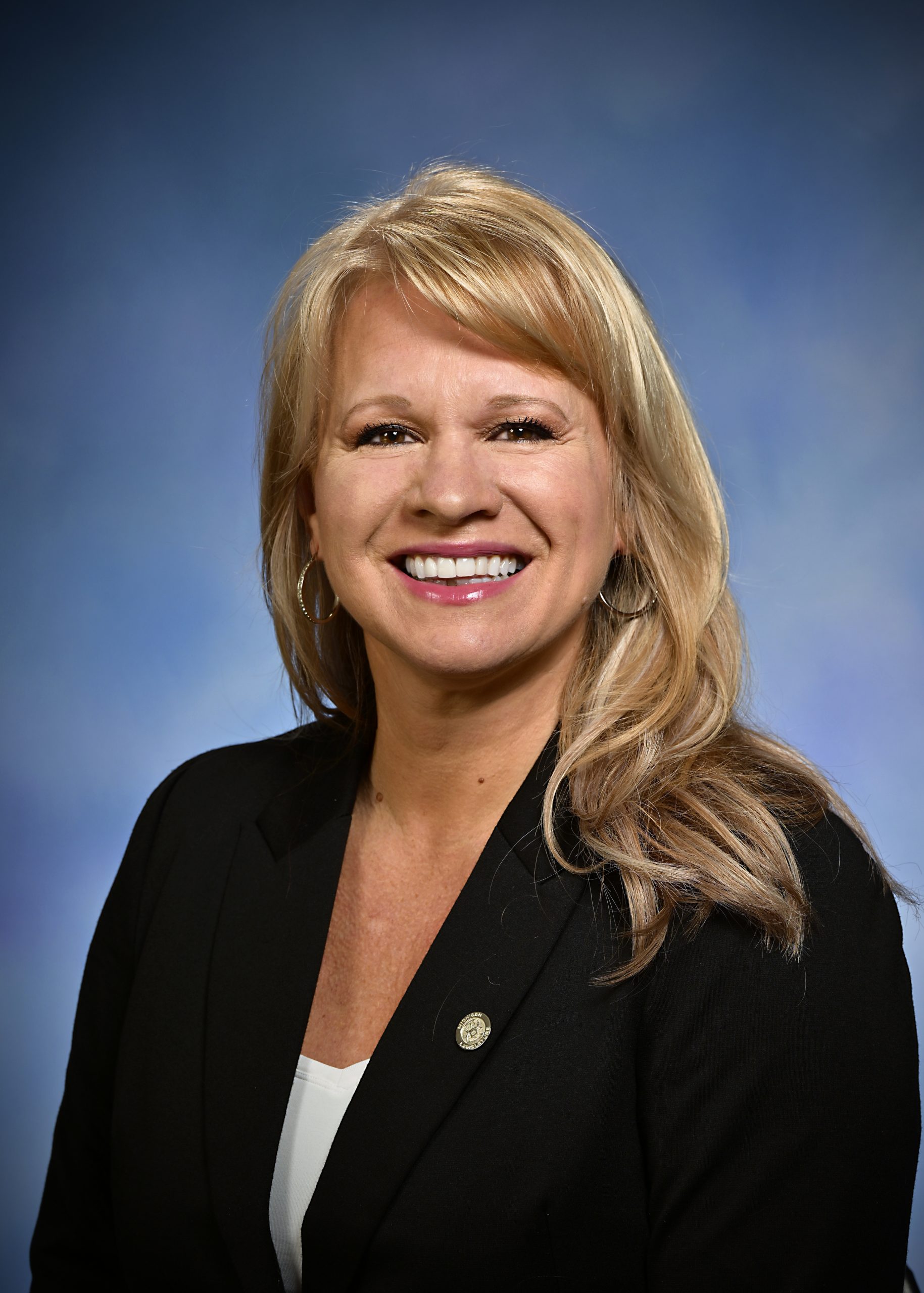
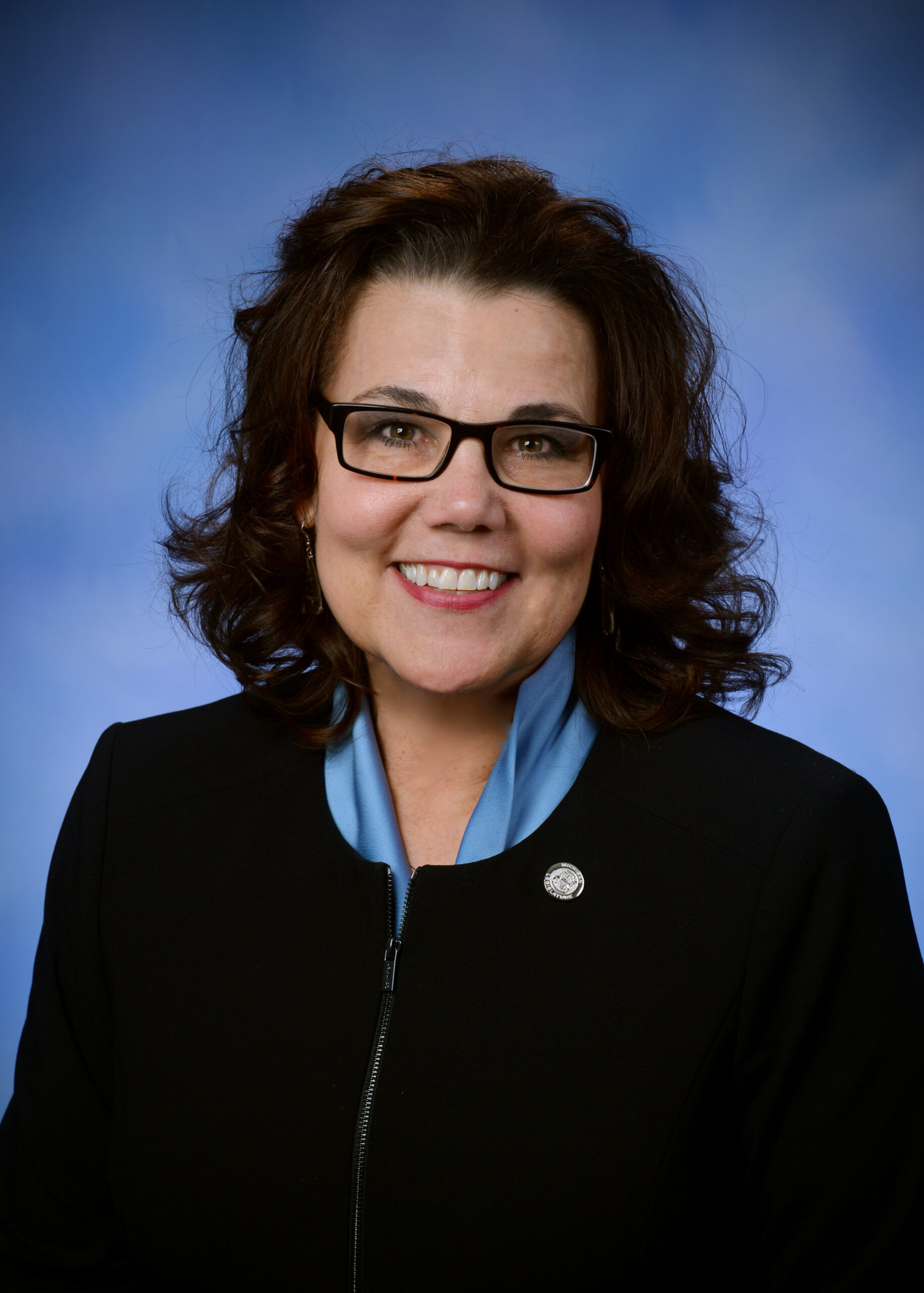
Alicia St. Germaine
100% support rate
Top opponent
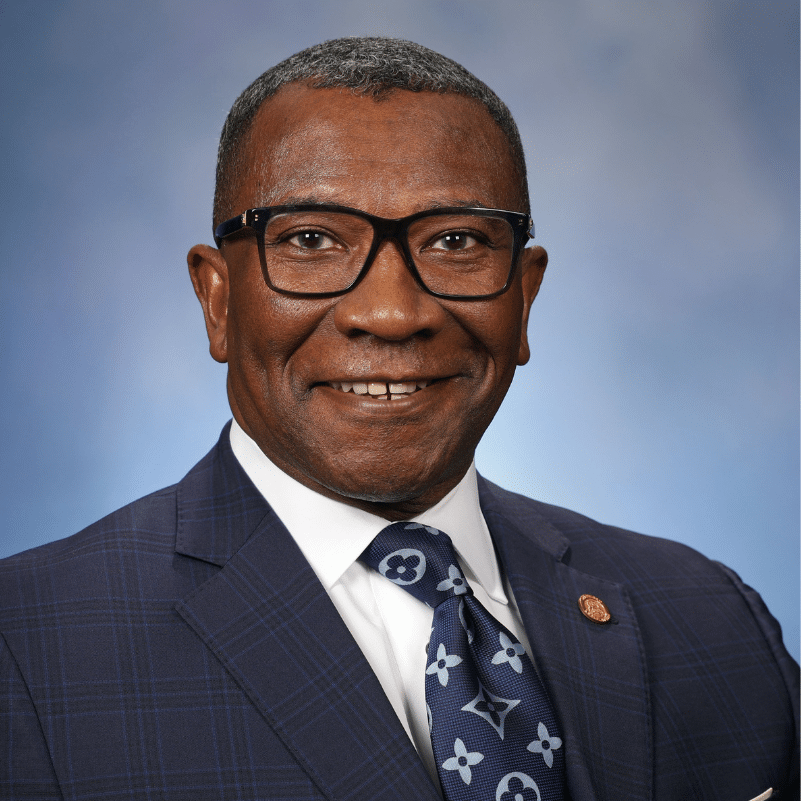
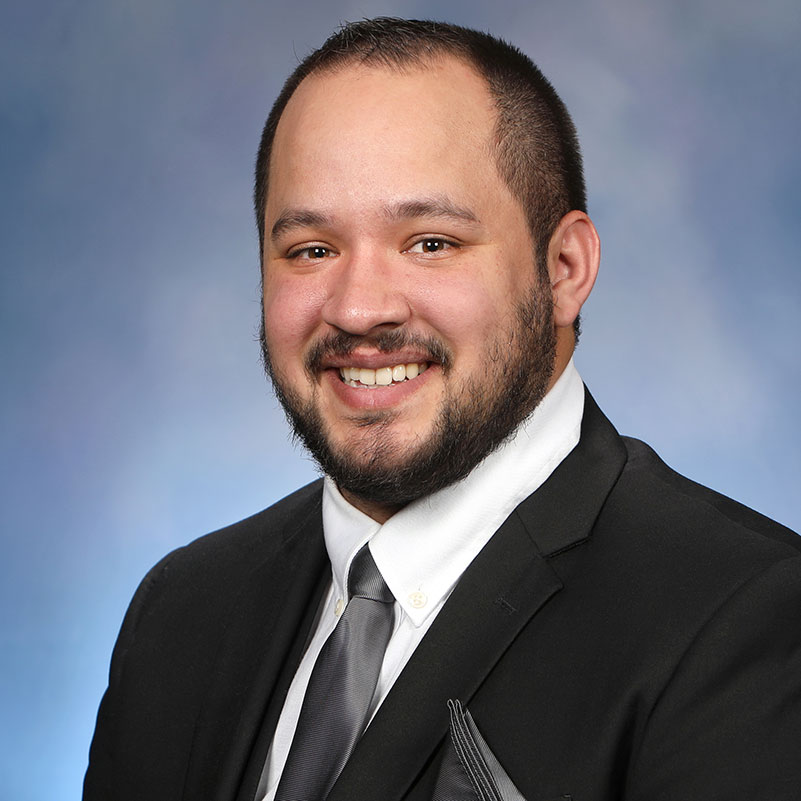
Dylan Wegela
0% support rate
Ranked legislators
10
5 support · 5 oppose
Key legislators

Who's moving mental health in Michigan

Legislators moving mental health in Michigan
Legislator Party Stance Support rate Decisive votes
Alicia St. Germaine
Alicia St. Germaine House · District 62
R
Strong +
100% 4
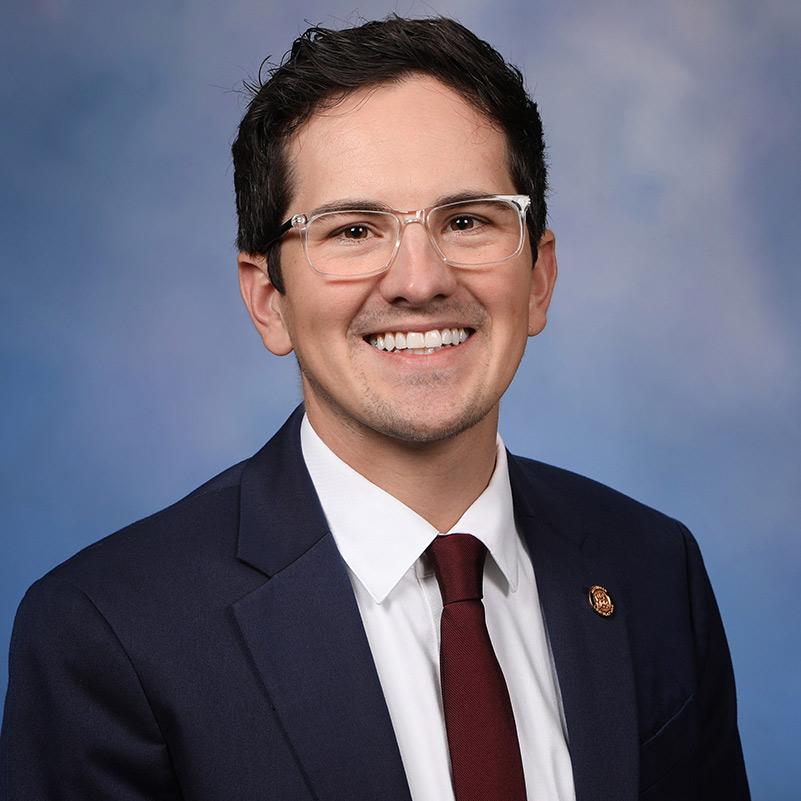
Amos O'Neal
Amos O'Neal House · District 94
D
Strong +
100% 4
Angela Rigas
Angela Rigas House · District 79
R
Strong +
100% 4
Angela Witwer
Angela Witwer House · District 76
D
Strong +
100% 4
Ann Bollin
Ann Bollin House · District 49
R
Strong +
100% 4
Dylan Wegela
Dylan Wegela House · District 26
D
Strong −
0% 4
Erin Byrnes
Erin Byrnes House · District 15
D
Strong −
0% 4
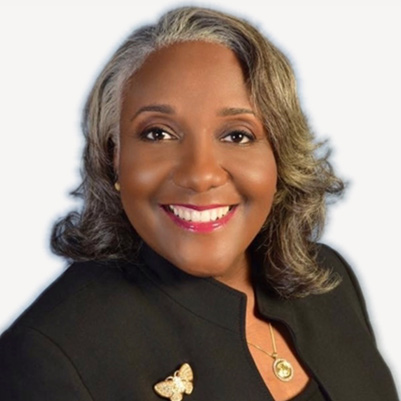
Helena Scott
Helena Scott House · District 8
D
Strong −
0% 4
Jason Morgan
Jason Morgan House · District 23
D
Strong −
0% 4
Jaz Martus
Jaz Martus House · District 69
D
Strong −
0% 4
Showing 11–20 of 72 bills

All healthcare bills

in committee · Michigan · Senate Jul 15, 2026

SB 1121: Mental health: recipient rights; members employed by licensed hospital; prohibit from serving on the recipient rights advisory committee. Amends sec. 758 of 1974 PA 258 (MCL 330.1758).

This bill prohibits individuals who are current or former board members of a licensed hospital, as well as their family members, from serving on the hospital's recipient rights advisory committee. The legislation aims to ensure that these committees, which are made up largely of patients and their families, remain independent and free from conflicts of interest. It requires hospitals to maintain these committees, which must meet regularly, review hospital reports, and provide advice to hospital leadership. Additionally, all committee members must complete annual training provided by the state office of recipient rights.
in committee · Michigan · Senate Jul 15, 2026

SB 1106: Health occupations: mental health care professionals; limited license option for mental health counselors; eliminate. Repeals sec. 18109 of 1978 PA 368 (MCL 333.18109).

This bill removes a specific legal provision that previously allowed mental health counselors to obtain a limited license to practice in Michigan. By repealing Section 18109 of the Public Health Code, the legislation eliminates the existing framework for this particular licensing option. The change directly affects the regulatory environment for mental health counselors and the state's licensing board, which will no longer be able to issue these limited licenses under the old rules.
Sub-Topics Medical Licensing Mental Health Public Health Tags Licensing
in committee · Michigan · House Jun 3, 2026

HB 6031: Human services: medical services; certified community behavioral health clinics; provide certification and funding for. Amends 1939 PA 280 (MCL 400.1 - 400.119b) by adding secs. 109w & 109x. TIE BAR WITH: HB 6032'26

This bill directs the Michigan Department of Health and Human Services to create a new payment system that funds certified community behavioral health clinics based on anticipated costs rather than individual service bills. The legislation requires the department to set fair payment rates, establish rules to prevent conflicts of interest, and create a process for resolving disputes between clinics and managed care organizations. Starting in 2028, the bill also mandates that any new clinic sites receive state approval to ensure services are distributed evenly and to avoid oversaturation in specific areas. Additionally, the law prioritizes applications from existing community mental health programs and requires that new sites be operated directly by or under the governance of these programs. The bill includes provisions for penalties against clinics that violate rules and notes that implementation depends on the legislature appropriating sufficient funds.
in committee · Michigan · House Jun 23, 2026

HB 6106: Education: school districts; student mental health apprenticeship retention and training (SMART) internship grant program; modify. Amends sec. 3 of 2022 PA 180 (MCL 388.1953).

This bill modifies the Student Mental Health Apprenticeship Retention and Training (SMART) grant program to provide financial support for graduate students completing mental health internships in Michigan public schools. It allows eligible graduate students to receive up to $15,000 for a 30-week internship, with payments structured as either an hourly rate or a lump sum, provided they work in schools designated as critical shortage areas or those with high populations of economically disadvantaged students. In exchange for this funding, recipients must agree to work at a public school for at least three years after completing their internship. The program also includes provisions for funding field supervisors and instructors who oversee the interns.
in committee · Michigan · House Jun 3, 2026

HB 6028: Courts: veteran's court; veterans treatment court; modify. Amends secs. 1200, 1201, 1203, 1205, 1206 & 1209 of 1961 PA 236 (MCL 600.1200 et seq.).

This bill modifies Michigan's Revised Judicature Act to update the definitions and operational requirements for veterans treatment courts. It clarifies who qualifies as a veteran for these programs, including those with specific service-connected mental health conditions, and establishes a non-adversarial approach that integrates drug, alcohol, and mental health treatment with the justice system. To implement these courts, the legislation requires local courts to form formal agreements with prosecutors, defense attorneys, community providers, and the Department of Veterans Affairs to ensure coordinated support and monitoring. Additionally, the bill allows for transferring eligible participants between jurisdictions to ensure access to these specialized programs when local options are unavailable.
in committee · Michigan · House Jun 3, 2026

HB 6032: Human services: medical services; certified community behavioral health clinics; provide certification and funding for. Amends 1939 PA 280 (MCL 400.1 - 400.119b) by adding sec. 109v. TIE BAR WITH: HB 6031'26

This bill directs Michigan state agencies to align their policies with federal requirements for certified community behavioral health clinics, preventing any state rules from conflicting with federal standards. It also establishes a process to identify new clinic locations in specific areas to prevent overlapping service regions while maintaining cooperation with the federal government. The legislation includes a provision that allows the state legislature to vote on whether to stop participating in the federal program, with a mandatory 12-month waiting period before clinics can be shut down if such a vote occurs.
passed · Michigan · House May 14, 2026

HR 317: A resolution to declare May 15, 2026, as Arts for Mental Health Awareness Day in the state of Michigan.

This Michigan House resolution designates May 15, 2026, as Arts for Mental Health Awareness Day to highlight the connection between creative arts and mental well-being. The measure acknowledges how participation in the arts can help reduce stress, anxiety, and feelings of isolation while supporting recovery from trauma. It specifically recognizes the roles of artists, art therapists, and arts organizations in building community resilience and improving public safety. By officially declaring this date, the legislature aims to encourage public awareness of arts-based health initiatives without mandating any specific actions or funding.
in committee · Michigan · Senate May 21, 2026

SB 1000: Human services: medical services; certified community behavioral health clinics; provide certification and funding for. Amends 1939 PA 280 (MCL 400.1 - 400.119b) by adding secs. 109w & 109x. TIE BAR WITH: SB 1001'26

This bill amends Michigan's social welfare act to establish a new prospective payment system that funds certified community behavioral health clinics based on anticipated costs rather than individual services. It requires the state department to develop payment rates using actuarial methods and mandates that any new clinic sites approved starting in 2028 undergo a review process to prevent service duplication and ensure geographic distribution. The legislation defines eligible clinics as nonprofit or government-run entities and prioritizes approval for sites operated by community mental health services programs. Additionally, the bill outlines specific policies to mitigate conflicts of interest, define retaliatory actions, and create a dispute resolution process, while noting that implementation depends on future legislative funding.
in committee · Michigan · Senate Apr 23, 2026

SB 927: Human services: medical services; coverage for behavioral health transportation; provide for. Amends 1939 PA 280 (MCL 400.1 - 400.119b) by adding sec. 109y. TIE BAR WITH: SB 0928'26

This bill directs the state's medical assistance program to cover transportation costs for individuals with behavioral health needs. It requires the department to ensure that transport agencies follow existing mental health code regulations regarding these services. The legislation defines key terms such as behavioral health transport and eligible individuals by referencing current state laws. However, the bill will not become effective unless a companion bill, SB 0928, is also passed into law.
Sub-Topics Mental Health
in committee · Michigan · House Apr 22, 2026

HB 5823: Mental health: facilities; video monitoring and recording in certain care settings; allow. Amends sec. 724 of 1974 PA 258 (MCL 330.1724).

HB 5823 updates Michigan's mental health code to allow video monitoring in psychiatric hospitals for safety and security purposes, provided specific rules are followed. The bill permits recording in common areas like hallways and activity rooms only after a facility creates written policies on access, retention, and notification to patients and visitors. It also clarifies rules for taking fingerprints, photographs, and audio recordings, requiring consent from the patient, their guardian, or parent before using these methods for services or research. Additionally, the law mandates that video footage cannot be used for treatment purposes and must be kept separate from clinical records, while archived recordings are generally limited to 30 days unless an investigation is underway.
Sub-Topics Mental Health
Showing 11 to 20 of 72 bills
Previous 1 2 3 … 8 Next