Issue · Environment

Environment

Every environment bill, vote, and legislator stance in Michigan, automatically classified by Maddy, our AI policy reader.

Total bills
236
2025-2026 Regular Session
Top supporter
Winnie Brinks
94% support rate
Top opponent
Jonathan Lindsey
6% support rate
Ranked legislators
10
5 support · 5 oppose
Key legislators

Who's moving environment in Michigan

Legislators moving environment in Michigan
Legislator Party Stance Support rate Votes
Winnie Brinks
Winnie Brinks Senate · District 29
D
Strong +
94% 29
Paul Wojno
Paul Wojno Senate · District 10
D
Strong +
94% 29
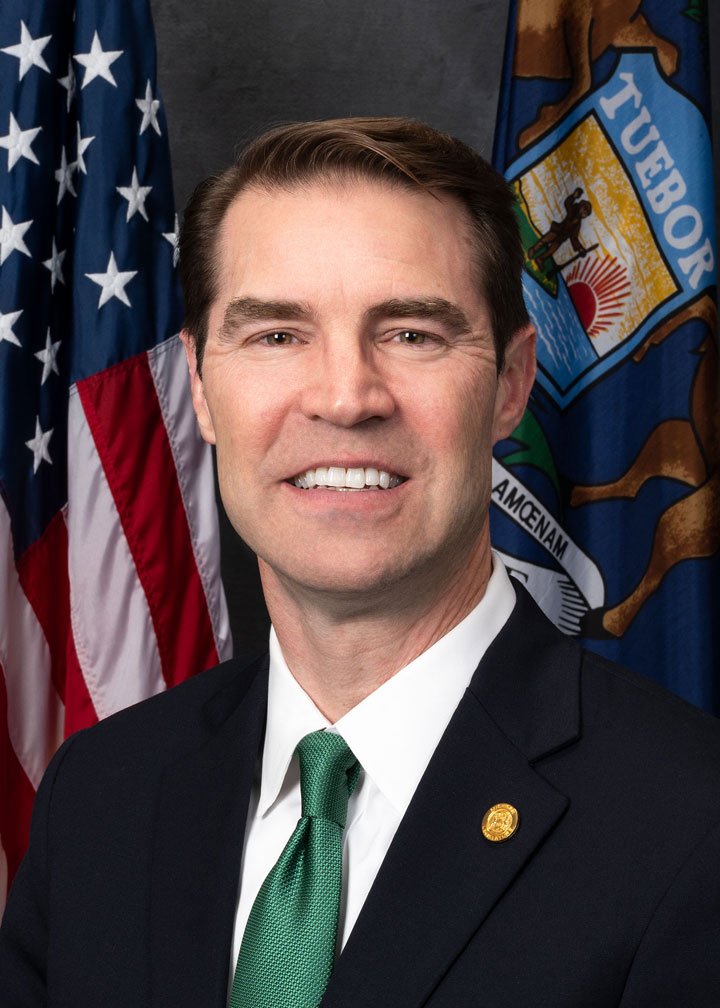
Sean McCann
Sean McCann Senate · District 19
D
Strong +
94% 29
Sylvia Santana
Sylvia Santana Senate · District 2
D
Strong +
94% 29
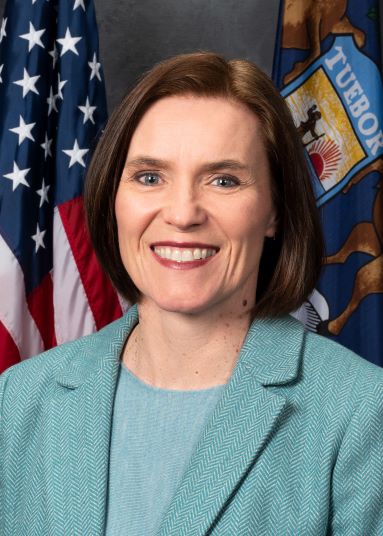
Mary Cavanagh
Mary Cavanagh Senate · District 6
D
Strong +
94% 29
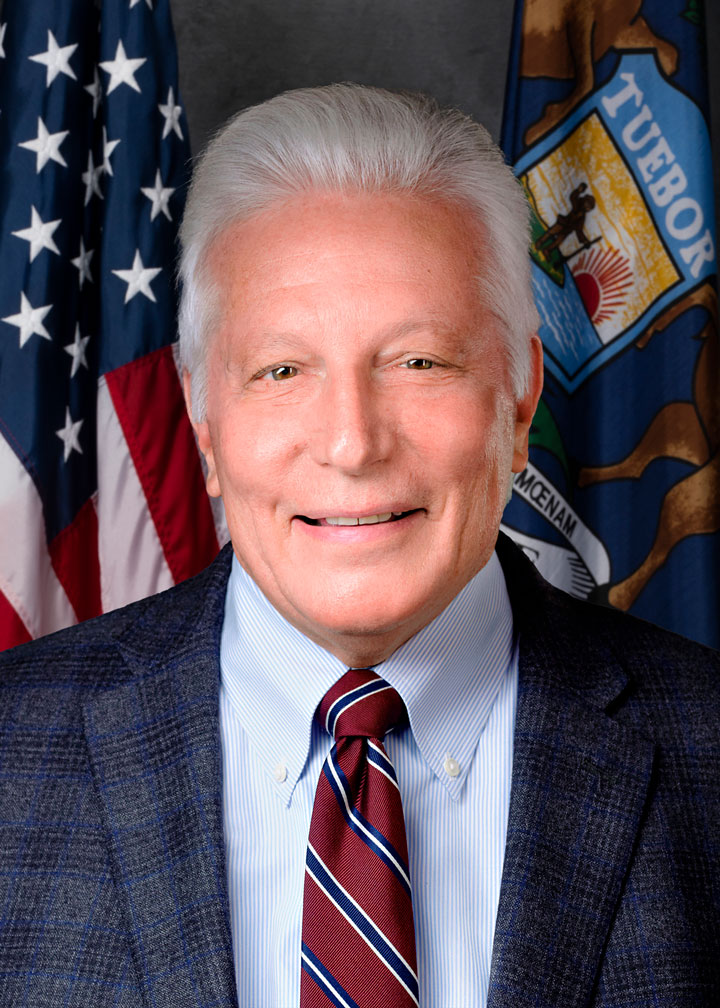
Jonathan Lindsey
Jonathan Lindsey Senate · District 17
R
Strong −
6% 28
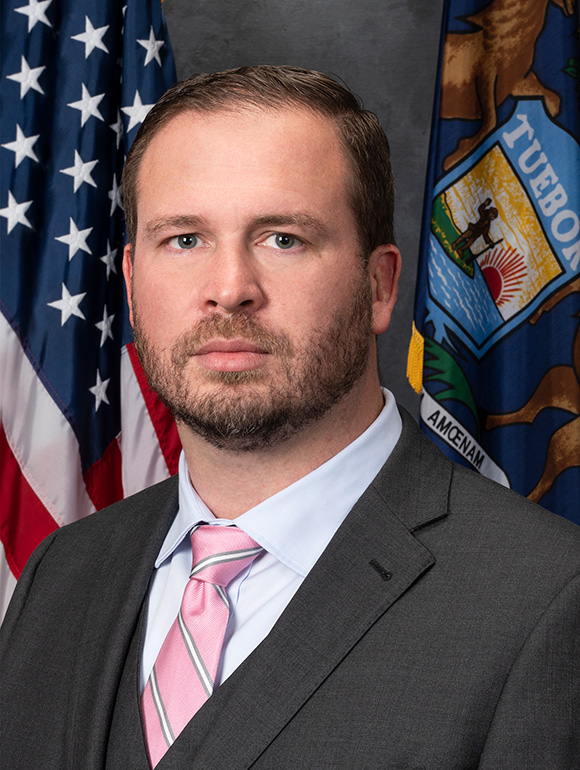
Jim Runestad
Jim Runestad Senate · District 23
R
Strong −
17% 23
Lana Theis
Lana Theis Senate · District 22
R
Strong −
17% 29
Ed McBroom
Ed McBroom Senate · District 38
R
Strong −
20% 26
Thomas Albert
Thomas Albert Senate · District 18
R
Oppose
22% 29
Showing 81–90 of 236 bills

All environment bills

passed both · Michigan · House Jul 1, 2026

HB 5502: Natural resources: wetlands; regulation of wetlands; modify. Amend sec. 30305 of 1994 PA 451 (MCL 324.30305).

HB 5502 amends Michigan's wetland regulation law (MCL 324.30305) to clarify which activities in wetlands do not require state permits. It specifically allows farming, ranching, and agricultural drainage activities without permits, but only if they are part of an "established ongoing operation" (not new conversion of wetlands to farmland). The bill also adds detailed rules for minor drainage, farm roads, and utility line installation (e.g., directional drilling must keep lines at least 4 feet below soil). These changes directly affect farmers, landowners, and developers working in wetlands across Michigan.
in committee · Michigan · House Feb 24, 2026

HB 5553: Natural resources: gas and oil; condemnation of property for carbon dioxide pipelines; prohibit. Amends sec. 2 of 1929 PA 16 (MCL 483.2).

HB 5553 amends Michigan's pipeline law to remove the right to use eminent domain (government property seizure) for carbon dioxide pipelines. It specifically eliminates the provision that previously allowed pipeline companies to condemn private property for transporting carbon dioxide, which currently applies to crude oil and petroleum pipelines. This change directly affects companies planning to build carbon dioxide pipelines, requiring them to negotiate land access with property owners instead of using condemnation. The bill modifies Section 2 of the 1929 pipeline statute (MCL 483.2), limiting condemnation rights to only crude oil and petroleum pipelines. This is a concrete policy change to the property rights mechanism for pipeline development.
in committee · Michigan · House Feb 26, 2026

HB 5573: Property tax: other; definition of nonprofit charitable institution; provide for. Amends sec. 7o of 1893 PA 206 (MCL 211.7o).

HB 5573 expands property tax exemptions for specific nonprofit organizations in Michigan. It adds new exemptions for conservation land held by qualified nonprofit groups (like nature preserves open for public recreation) and clarifies exemptions for nonprofit hospitals, skilled nursing facilities, and educational institutions. The bill specifies detailed requirements for organizations to qualify, such as perpetual land preservation for conservation groups and licensing for healthcare facilities. These changes directly affect qualifying nonprofits, conservation organizations, and healthcare providers by allowing them to exclude certain properties from local property taxes. The bill refines existing tax exemption rules without creating new tax rates or funding mechanisms.
passed both · Michigan · House Jun 10, 2026

HB 5536: Natural resources: wetlands; definition of wetland; update. Amends secs. 30301, 30307 & 30308 of 1994 PA 451 (MCL 324.30301 et seq.).

HB 5536 updates Michigan's legal definition of "wetland" under the Natural Resources and Environmental Protection Act. It expands the definition to include features that are contiguous to the Great Lakes, over 5 acres in size, contain endangered species, or are designated as rare wetland types (like Great Lakes marshes or coastal fens). This change directly affects landowners, developers, and conservation groups by altering which areas require environmental review or mitigation for development. The bill also clarifies terms like "altered wetland" and "voluntary restoration projects" to guide land management practices.
in committee · Michigan · House Feb 24, 2026

HB 5556: Natural resources: wetlands; purchase of wetland credits by industrial construction permit applicants; allow. Amends secs. 30311b & 30311d of 1994 PA 451 (MCL 324.30311b & 324.30311d) & adds sec. 30311e.

HB 5556 allows industrial construction permit applicants in Michigan to purchase wetland credits from approved mitigation banks instead of always restoring or creating wetlands on-site to offset project impacts. The bill introduces temporary credits for short-term delays during on-site mitigation and establishes a stewardship fund for alternatives like conservation easements or payments. It updates rules to encourage wetland bank development by expanding service areas within watersheds, reducing required mitigation ratios when using bank credits, and allowing credit transfers between projects. This directly affects developers and construction companies requiring permits for projects impacting wetlands.
passed both · Michigan · House Jun 10, 2026

HB 5557: Environmental protection: air pollution; calculation of emission profile data; modify. Amends sec. 5503 of 1994 PA 451 (MCL 324.5503).

HB 5557 amends Michigan's environmental law to require the state environmental agency to use the longest time period permitted under the federal Clean Air Act when calculating pollution emissions data for the state's inventory. This change directly affects the Michigan Department of Environment, Great Lakes, and Energy, which collects emissions data from businesses and industries. The bill specifically adds a requirement that the department must use the longest federal time period authorized for emissions rate calculations, aligning state reporting with federal standards. This adjustment aims to improve the accuracy and consistency of Michigan's air pollution data.
Sub-Topics Air Quality
in committee · Michigan · House Feb 26, 2026

HB 5572: Property tax: exemptions; exemption of real and personal property owned and occupied by a nonprofit corporation; modify. Amends sec. 7o of 1893 PA 206 (MCL 211.7o).

HB 5572 modifies Michigan's property tax exemption rules to expand eligibility for certain nonprofits. It adds a new exemption for conservation organizations maintaining nature areas open to the public for activities like hiking and bird watching. The bill also clarifies that nonprofits providing healthcare services (such as nursing homes, skilled nursing facilities, or adult foster care) qualify for tax exemptions if they meet specific licensing requirements. This change directly affects nonprofit hospitals, educational institutions, conservation groups, and healthcare providers seeking property tax relief.
passed both · Michigan · House Jun 10, 2026

HB 5501: Natural resources: wetlands; replacement or relocation of wetlands within a development project; allow. Amends sec. 30311d of 1994 PA 451 (MCL 324.30311d).

HB 5501 allows developers to relocate wetlands within the same development project instead of creating new wetlands or restoring existing ones, directly affecting construction and land development permit applicants. The bill establishes a 1:1 wetland replacement ratio for in-parcel relocations when ecological functions are maintained or improved, while reducing the preference for on-site mitigation. It also introduces flexibility in mitigation ratios when using wetland bank credits and requires the Department of Natural Resources to develop guidelines for on-site mitigation planning. These changes aim to streamline permitting while maintaining wetland resource protection under Michigan's Natural Resources and Environmental Protection Act.
in committee · Michigan · Senate Feb 24, 2026

SB 796: Appropriations: supplemental; funding for PFAS mitigation and water safety; provide for. Creates appropriation act.

SB 796 is a funding bill that allocates supplemental state money for fiscal year 2026 to address PFAS contamination in water. It provides direct funding to state agencies responsible for water safety and PFAS mitigation programs, primarily benefiting communities affected by PFAS ("forever chemicals") in drinking water sources. The key mechanism is creating a new appropriation within the state budget specifically for water testing, cleanup, and safety measures related to PFAS. This bill does not create new regulations but ensures dedicated funding for existing water safety efforts targeting PFAS contamination.
in committee · Michigan · Senate Dec 3, 2025

SB 727: Energy: alternative sources; renewable energy system standards; modify. Amends secs. 29 & 51 of 2008 PA 295 (MCL 460.1029 & 460.1051).

SB 727 modifies Michigan’s Clean and Renewable Energy Act by updating rules for renewable energy credits and setting stricter clean energy targets. It allows electric providers to count renewable energy credits from systems located outside Michigan (if used for regional transmission needs) and creates new pathways for businesses (like manufacturers or cooperatives) to share their renewable credits with providers to meet standards. The bill also raises the clean energy target to 80% by 2035-2039 and 100% by 2040, requiring providers to submit compliance plans and granting limited extensions (up to 2 years) under specific conditions. These changes primarily affect electric utilities, large commercial customers, and renewable energy providers in Michigan.
Sub-Topics Renewable Energy
Showing 81 to 90 of 236 bills
Previous 1 8 9 10 24 Next