Issue · Environment

Environment

Every environment bill, vote, and legislator stance in Michigan, automatically classified by Maddy, our AI policy reader.

Total bills
241
119th Congress
Top supporter
Gary C. Peters
76% support rate
Top opponent
Lisa C. McClain
33% support rate
Ranked legislators
10
5 support · 5 oppose
Key legislators

Who's moving environment in Michigan

Legislators moving environment in Michigan
Legislator Party Stance Support rate Votes
Gary C. Peters
Gary C. Peters Senate
D
Support
76% 230
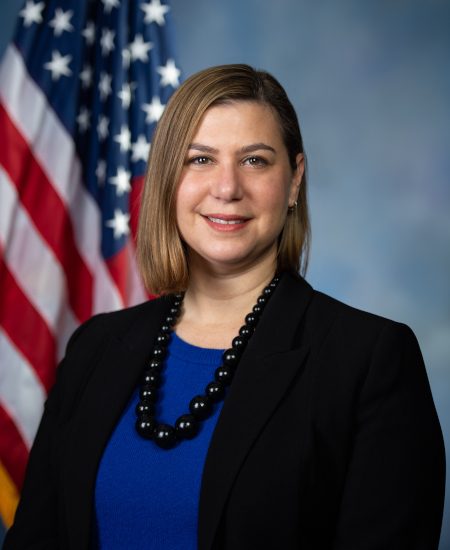
Elissa Slotkin
Elissa Slotkin Senate
D
Support
75% 233
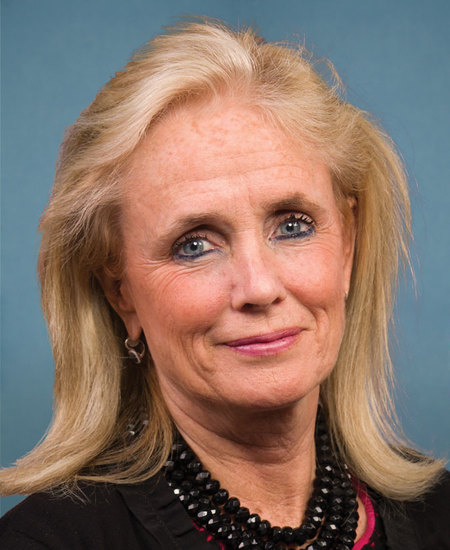
Debbie Dingell
Debbie Dingell House · District 6
D
Support
65% 296
Hillary J. Scholten
Hillary J. Scholten House · District 3
D
Support
64% 302
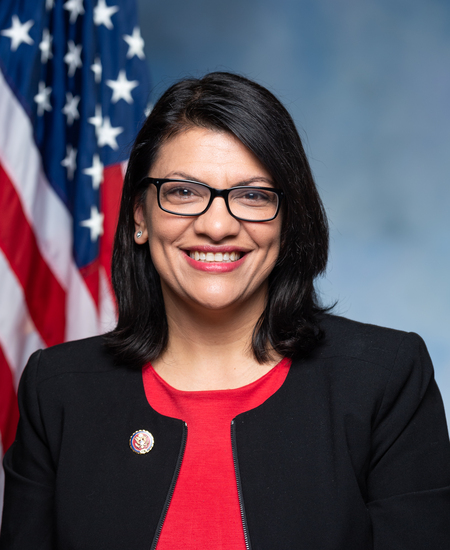
Rashida Tlaib
Rashida Tlaib House · District 12
D
Support
64% 304
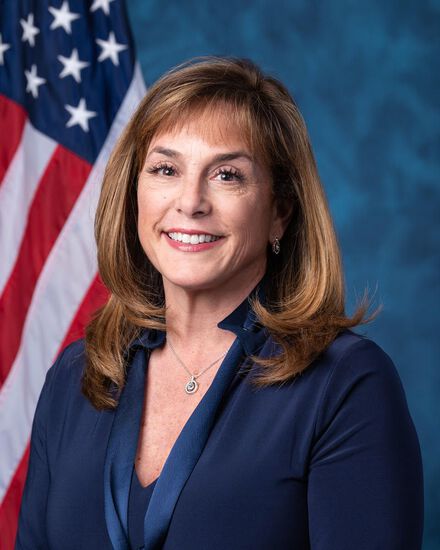
Lisa C. McClain
Lisa C. McClain House · District 9
R
Oppose
33% 303
John R. Moolenaar
John R. Moolenaar House · District 2
R
Oppose
33% 305
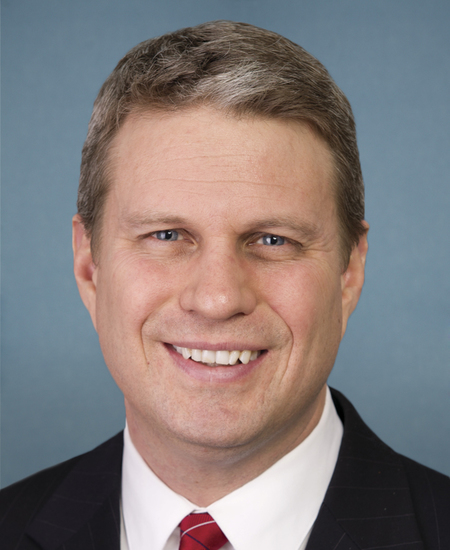
Bill Huizenga
Bill Huizenga House · District 4
R
Oppose
33% 302
John James
John James House · District 10
R
Oppose
33% 295
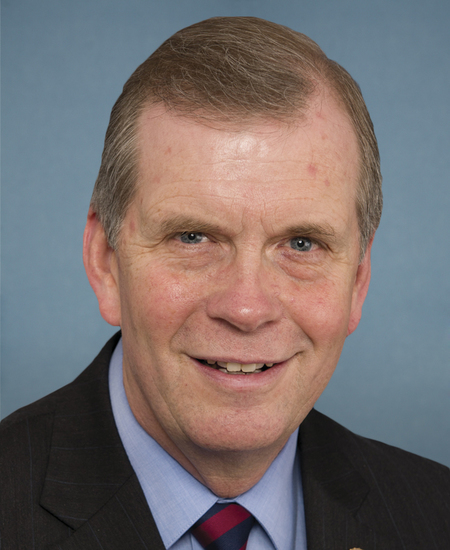
Tim Walberg
Tim Walberg House · District 5
R
Oppose
34% 305
Showing 1–10 of 241 bills

All environment bills

in committee · United States · House Sep 8, 2026

HR 10321: Responsible Data Center Siting Act of 2026

The Responsible Data Center Siting Act of 2026 directs the Secretary of Energy to create and publish best practices for selecting locations for new data centers. These guidelines must evaluate how proposed sites affect electricity prices, water availability, air quality, local communities, national security, and regional economies. The Department of Energy is required to release these initial recommendations within one year of the bill's passage and update them at least every two years thereafter.
Sub-Topics Air Quality
in committee · United States · House Sep 3, 2026

HR 10255: Penalties for Polluters Act

The Penalties for Polluters Act significantly increases the maximum civil penalties for violations of federal mineral leasing, oil and gas royalty management, and offshore lands laws to better account for inflation. These higher fines apply to companies and individuals who fail to comply with regulations regarding natural resource extraction and environmental protection. The bill also establishes a Penalty Revenue Reinvestment Fund that collects the additional revenue generated by these increased penalties. Half of this fund is distributed to states, Indian tribes, and local governments harmed by violations, while the other half supports federal agencies in enforcing compliance and safety standards.
in committee · United States · House Jul 27, 2026

HR 9959: Green New Deal for Public Schools Act

The Green New Deal for Public Schools Act directs over $700 billion in federal funding to public schools, prioritizing those serving the most vulnerable communities based on CDC social vulnerability rankings. The legislation establishes a new Office of Sustainable Schools and authorizes grants for "healthy green retrofits" that convert school buildings into zero-carbon facilities with clean air, water, and energy systems, while also providing funds to hire additional educators, mental health professionals, and support staff. Additionally, the bill mandates increased federal funding for special education under the Individuals with Disabilities Education Act and creates a climate resiliency program that allows schools to function as community centers during natural disasters. All grant recipients must adhere to strict labor standards, including prevailing wage requirements, Buy American provisions, and local hiring goals that prioritize residents of the surrounding community.
in committee · United States · House Aug 27, 2026

HR 10162: STORMWATER Act

The STORMWATER Act extends the funding period for stormwater control infrastructure technology centers from fiscal years 2022-2026 to 2027-2031. It mandates that exactly five of these centers be established, rather than a range of three to five as previously allowed. Additionally, the bill requires that one of the designated centers be located in and focused on the Great Lakes region.
Sub-Topics Water Quality
in committee · United States · House Aug 6, 2026

HR 10063: Green New Deal for Public Housing Act

The Green New Deal for Public Housing Act directs the Department of Housing and Urban Development to provide grants to public housing agencies and tribal entities for the comprehensive rehabilitation, energy upgrades, and modernization of public housing stock. These funds are intended to transform properties into zero-carbon homes by installing renewable energy systems, electrifying appliances, and repairing infrastructure, while also establishing workforce development programs that offer training, apprenticeships, and stipends to residents and local low-income workers. The bill mandates strict labor standards, including prevailing wages and the use of U.S.-made materials, and requires agencies to maintain or increase the total number of public housing units while prioritizing resident participation through elected councils and community engagement processes.
in committee · United States · House Jul 27, 2026

HR 9962: Green New Deal for Health Act

The Green New Deal for Health Act establishes a comprehensive federal framework to address the health impacts of climate change by creating new offices, expanding funding, and mandating specific actions across the health care sector. It directly affects hospitals, medical facilities, health care workers, and communities, with a specific focus on protecting environmental justice and low-income populations from climate-related health risks. Key provisions include the creation of an Office of Climate Change and Health Equity to develop a national strategic plan, requirements for hospitals to provide extended notice before closing or reducing essential services, and significant grants to upgrade medical facilities for climate resilience. The bill also mandates that the health care sector reduce its own carbon emissions through new disclosure rules for medical supplies and grants for green manufacturing, while simultaneously funding education to train health professionals on climate-related health threats. Additionally, the legislation authorizes Medicare coverage for home resiliency services, such as heat pumps and solar batteries, for individuals at risk during climate disasters, and allocates billions of dollars to expand the community health workforce and support mental health resilience programs.
in committee · United States · House Jul 27, 2026

HR 9949: Safe Baby Formula Act of 2026

The Safe Baby Formula Act of 2026 directs the Department of Health and Human Services to study the health effects of arsenic, cadmium, mercury, and lead in infant formula within one year of passing. Following this study, the agency must set specific safety limits for these toxic metals in formula products within 90 days. When establishing these limits, the law requires the department to consider how easy it is to meet the standards, its ability to enforce rules on imported goods, and the potential impact on food security. This legislation directly affects infant formula manufacturers and regulators by mandating the creation of evidence-based safety standards for heavy metals.
in committee · United States · House Jul 6, 2026

HR 9594: No PFAS in Cosmetics Act

The No PFAS in Cosmetics Act prohibits the sale of cosmetics in the United States if they contain intentionally added perfluoroalkyl or polyfluoroalkyl substances. This ban specifically targets fluorinated chemicals that manufacturers add to products for a functional or technical purpose, as well as certain breakdown products of those chemicals. The regulation will take effect on January 1, 2027, applying to all cosmetic products and their packaging. Additionally, the bill repeals a previous provision from the Modernization of Cosmetics Regulation Act of 2022 to ensure consistency with this new restriction.
Sub-Topics Drinking Water
in committee · United States · House Jul 30, 2026

HR 10004: Defending Our Energy and Water Act

The Defending Our Energy and Water Act directs the Administrator of the Office of Electronic Government to update minimum requirements for new federal data centers, mandating the use of the most water-efficient cooling systems. This update must be completed within 180 days of the bill's enactment. Additionally, the legislation extends a previous deadline for reviewing data center standards from 2026 to 2031 and requires the Department of Defense to identify and integrate water efficiency technologies to protect water resources. These changes apply specifically to federal data centers and aim to minimize their operational impact on water supplies.
in committee · United States · House Jul 21, 2026

HR 9640: Earth MRI Reauthorization Act of 2026

The Earth MRI Reauthorization Act of 2026 extends funding for the Earth Mapping Resources Initiative through fiscal year 2031. This program, managed by the U.S. Geological Survey, will support the collection and analysis of subsurface data using advanced technologies like modern sensing and digital geochemistry to map critical minerals and geothermal resources. The bill also updates the initiative's scope to include the 3D Hydrography Program and allocates $84 million for operations between 2027 and 2031.
Showing 1 to 10 of 241 bills
1 2 3 25 Next