Issue · Education

Education (Testing & Assessment)

Every education bill, vote, and legislator stance in Michigan, automatically classified by Maddy, our AI policy reader.

Total bills
20
2025-2026 Regular Session
Top supporter
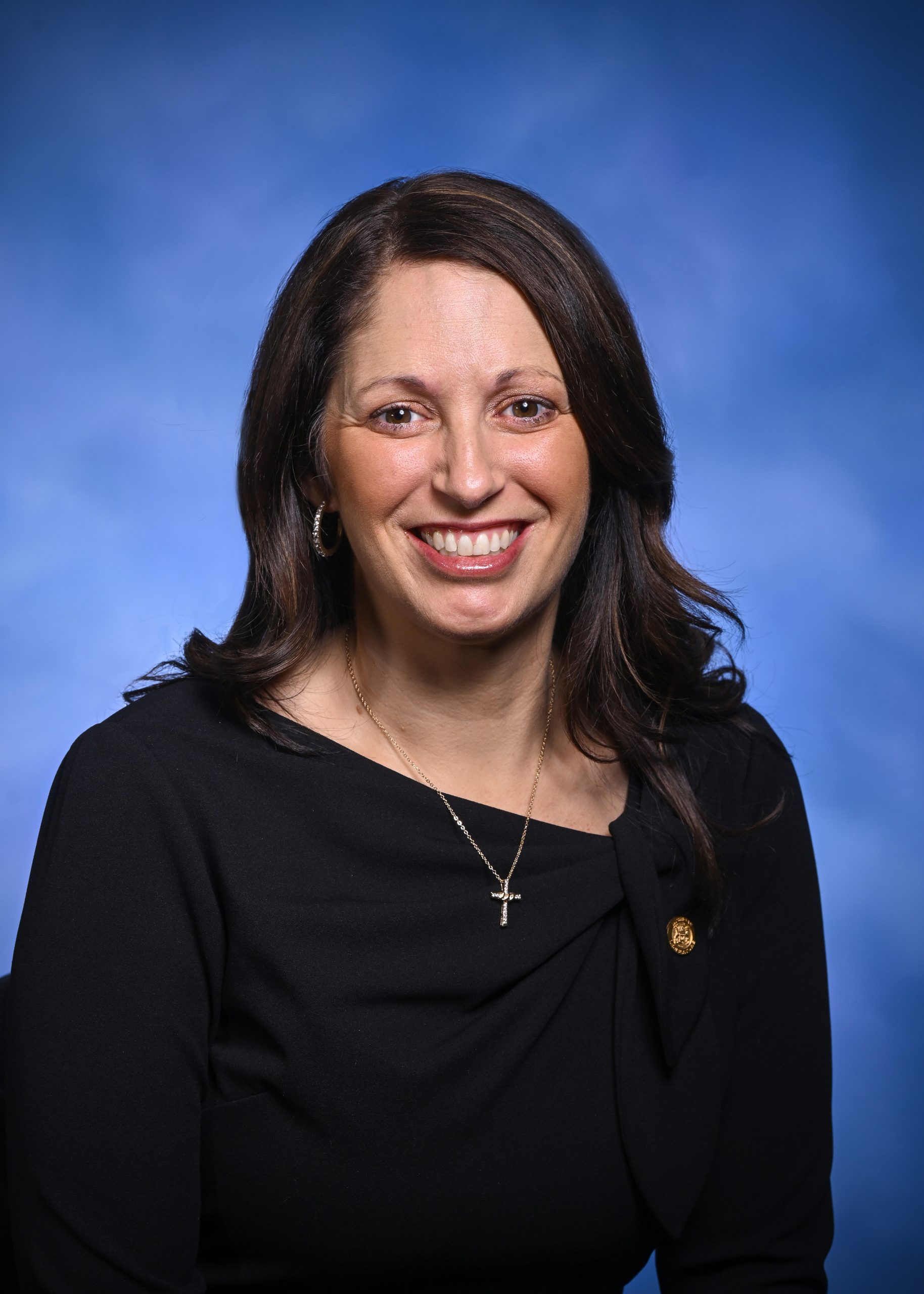
Karl Bohnak
100% support rate
Top opponent
Veronica Paiz
0% support rate
Ranked legislators
10
5 support · 5 oppose
Key legislators

Who's moving testing & assessment in Michigan

Legislators moving testing & assessment in Michigan
Legislator Party Stance Support rate Votes
Karl Bohnak
Karl Bohnak House · District 109
R
Strong +
100% 6
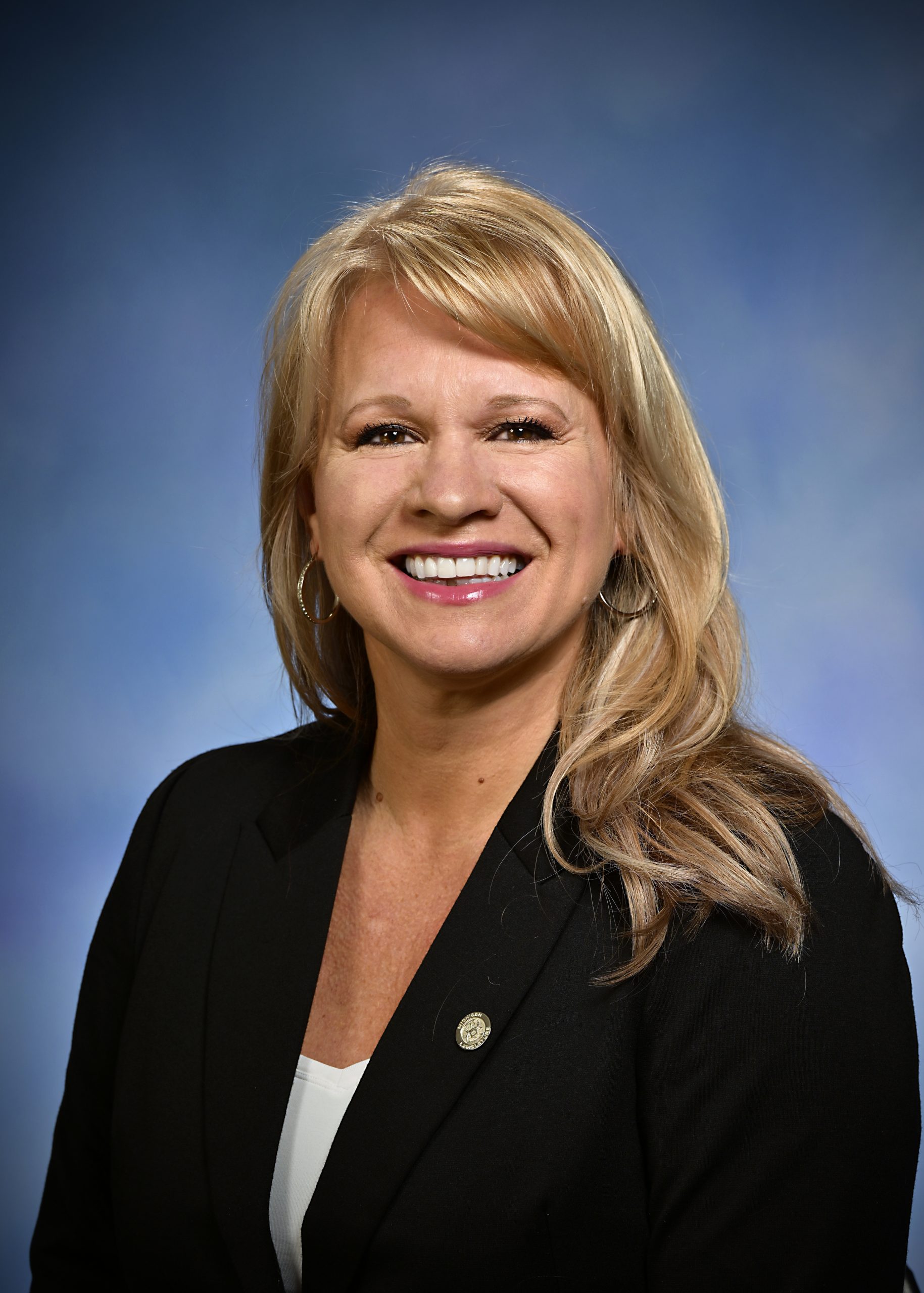
Jennifer Wortz
Jennifer Wortz House · District 35
R
Strong +
100% 5
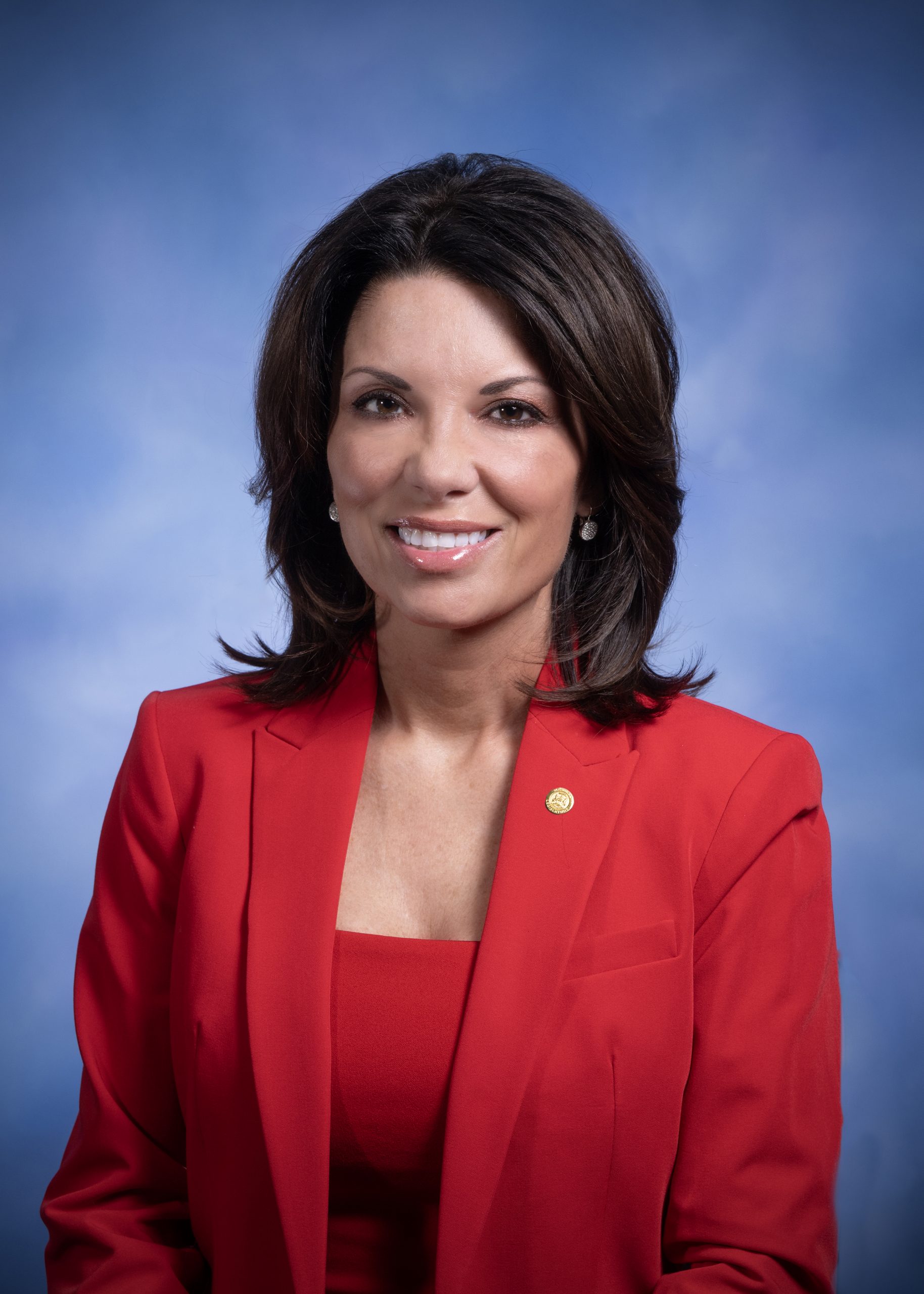
Alicia St. Germaine
Alicia St. Germaine House · District 62
R
Strong +
83% 6
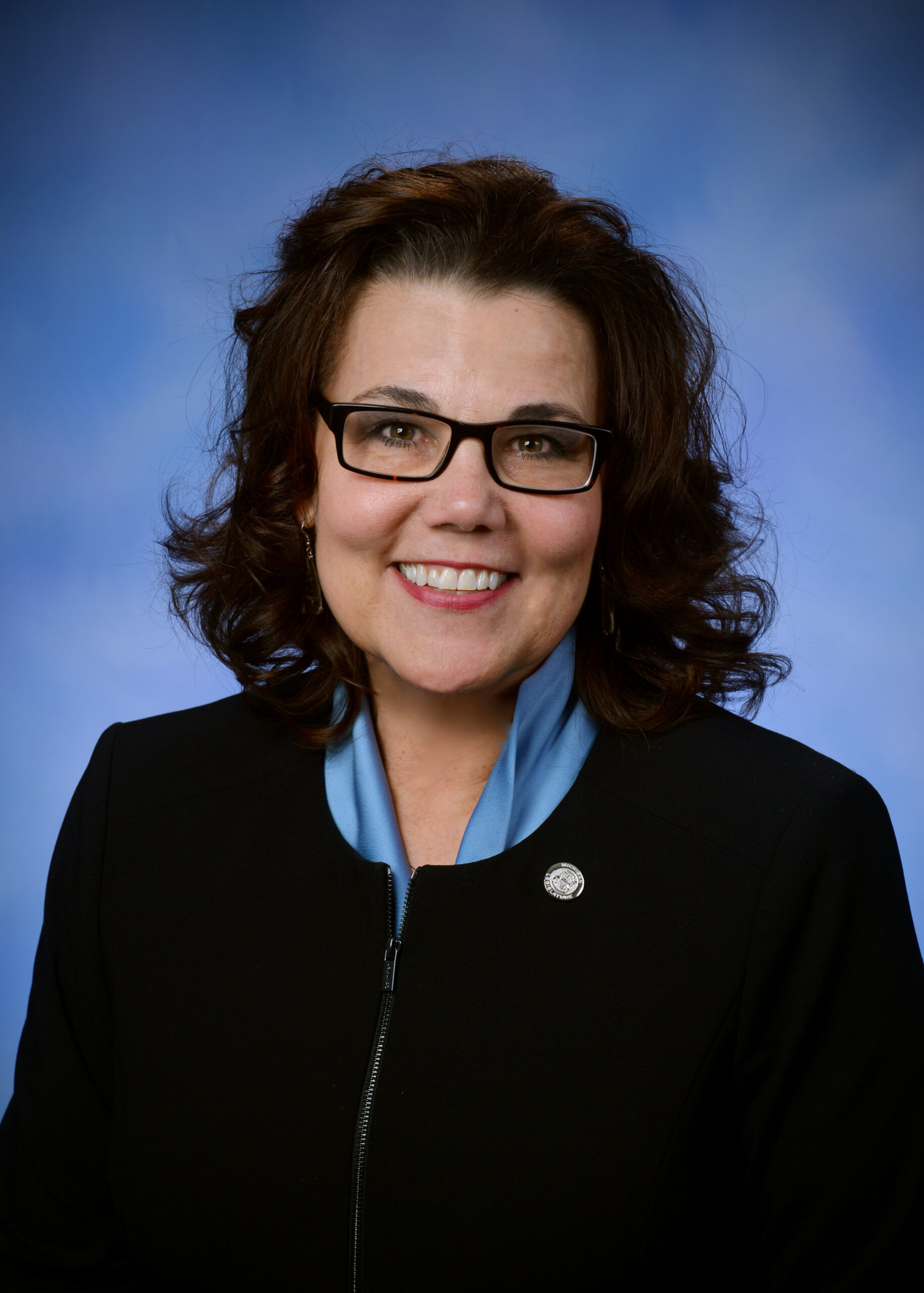
Angela Rigas
Angela Rigas House · District 79
R
Strong +
83% 6
Ann Bollin
Ann Bollin House · District 49
R
Strong +
83% 6
Veronica Paiz
Veronica Paiz House · District 10
D
Strong −
0% 4
Carrie Rheingans
Carrie Rheingans House · District 47
D
Strong −
17% 6
Donavan McKinney
Donavan McKinney House · District 11
D
Strong −
17% 6
Dylan Wegela
Dylan Wegela House · District 26
D
Strong −
17% 6
Emily Dievendorf
Emily Dievendorf House · District 77
D
Strong −
17% 6
Showing 1–10 of 20 bills

All education bills

in committee · Michigan · House Jun 3, 2026

HB 6023: Education: examinations; classic learning test; include in accepted college entrance examinations. Amends sec. 1279g of 1976 PA 451 (MCL 380.1279g). TIE BAR WITH: HB 6024'26

This bill amends Michigan's Revised School Code to allow students to use the Classic Learning Test (CLT) as an alternative to the standard Michigan Merit Examination for college entrance requirements. It specifically permits 11th and 12th-grade students to take the CLT in place of the traditional assessment, which currently covers English language arts, mathematics, reading, science, and social studies. The legislation also introduces a waiver process for the workforce readiness portion of the exam, requiring parents to submit a signed request by late February of the school year. Additionally, the bill mandates that school districts provide informational letters to students and families explaining the purpose and benefits of the workforce readiness test before it is administered.
in committee · Michigan · House Jun 3, 2026

HB 6024: School aid: other; classic learning test; include in accepted college entrance examinations. Amends sec. 104b of 1979 PA 94 (MCL 388.1704b). TIE BAR WITH: HB 6023'26

This bill modifies Michigan's state school aid requirements by allowing students to use the Classic Learning Test (CLT) as an option for the college entrance portion of the Michigan merit examination. Under the new provisions, districts must still administer a comprehensive exam that includes college entrance assessments, a workforce readiness test, and a social studies component, but students may now choose the CLT to satisfy the college entrance requirement. The legislation also establishes a waiver process for the workforce readiness test, permitting parents to opt their children out by submitting a signed form to their school district by February 28. Additionally, the bill mandates that all scaled scores from the exam be recorded on high school transcripts alongside attendance records.
passed both · Michigan · House Jun 16, 2026

HB 5819: Education: curriculum; science of reading requirements; modify. Amends sec. 1280f of 1976 PA 451 (MCL 380.1280f).

This bill modifies Michigan's school code to strengthen reading instruction by requiring the state education department to approve specific screening assessments and develop a formal literacy coach model. The legislation mandates that literacy coaches support teachers in using evidence-based strategies for decoding and word recognition while explicitly prohibiting them from performing administrative duties or holding regular classroom teaching assignments. Additionally, the bill directs the department to provide technical assistance on Individual Reading Improvement Plans, establish dyslexia expertise by September 2025, and update dyslexia resource guides every five years. These changes directly affect school districts, public school academies, and educators by setting new standards for reading assessment, intervention, and professional support roles.
passed both · Michigan · House Jun 10, 2026

HB 5810: Education: school districts; implementation of the presidential fitness test; require. Amends 1976 PA 451 (MCL 380.1 - 380.1852) by adding sec. 1278e.

This bill requires Michigan school districts and public academies to administer the Presidential Fitness Test starting in the 2026-2027 school year. The law mandates that schools follow the specific guidelines and strategies outlined in a recent federal executive order. By adding a new section to the state's revised school code, the legislation ensures that all public schools operate under this standardized fitness assessment.
in committee · Michigan · House Jun 2, 2026

HB 6012: Education: graduation requirements; civics examination; require. Amends sec. 1166 of 1976 PA 451 (MCL 380.1166).

This bill requires Michigan high schools to mandate a one-semester civics course and eventually require students to pass the civics portion of the U.S. naturalization test to earn graduation credit. It directs the state to update social studies curriculum standards and assessments to align with the current naturalization test questions by May 2018. The law applies to all public and nonpublic schools but includes exemptions for students with specific educational needs or those in military service.
in committee · Michigan · Senate May 12, 2026

SB 952: Education: special education; Michigan special education accountability act; establish. Amends secs. 1310d, 1311, 1526, 1527, 1531 & 1711 of 1976 PA 451 (MCL 380.1310d et seq.) & adds secs. 1531k, 1537, 1712 & 1810.

Senate Bill 952 establishes the Michigan Special Education Accountability Act to strengthen protections for students with disabilities facing school discipline. The bill requires school boards and officials to consider specific factors, such as a student's age and disciplinary history, before suspending or expelling any pupil. For suspensions lasting more than 10 days or expulsions involving students with disabilities, the bill mandates that schools complete a functional behavioral assessment, implement a behavior intervention plan, and obtain legal guidance to ensure the action does not violate the student's rights. Additionally, the bill requires districts to annually report all suspensions and expulsions of students with disabilities to the state department.
signed · Michigan · House Jul 29, 2026

HB 5697: Education: teachers and administrators; completion of certain training for K-5 teachers; require. Amends 1976 PA 451 (MCL 380.1 - 380.1852) by adding sec. 1531k.

This bill requires K-5 teachers and literacy support staff in Michigan to complete specific professional training focused on reading and literacy instruction by the 2029-2030 school year. The legislation designates a single state-approved provider to deliver the training, which must cover evidence-based reading methods, assessment strategies, and a multitiered system of supports for addressing learning difficulties. School districts must report annual compliance data to the state department, which will publish public reports on implementation progress and recommend funding adjustments as needed. The training includes mandatory components on phonics, vocabulary, comprehension, and data-driven decision-making, with phased implementation beginning in the 2026-2027 school year.
passed both · Michigan · House Jun 10, 2026

HB 5520: Education: elementary; grade 3 reading requirements; provide for. Amends sec. 1280f of 1976 PA 451 (MCL 380.1280f).

HB 5520 requires Michigan's Department of Education to approve 3+ reading assessments for schools that minimize instructional time loss and provide timely results. It mandates school districts to implement literacy coaches by 2027 who support teachers in evidence-based reading instruction, data analysis, and intervention for struggling readers in grades K-3. The bill also directs the department to develop dyslexia expertise, provide professional learning on structured literacy, and update the Michigan Dyslexia Handbook every 5 years. These provisions directly affect school districts, K-3 teachers, students needing reading support, and parents through improved reading instruction and assessment practices. The bill focuses on systemic changes to address reading deficiencies using research-backed methods.
passed both · Michigan · House Mar 10, 2026

HB 5364: Education: other; revision to state academic standards; require approval of the legislature for. Amends sec. 1278 of 1976 PA 451 (MCL 380.1278).

HB 5364 requires Michigan's state board of education to obtain legislative approval - via a concurrent resolution from both the state Senate and House - before revising the state's recommended academic curriculum standards. The bill directly affects school districts, the state board, and legislators by preventing changes to standards without formal legislative consent. Key provisions include prohibiting standards from including "attitudes, beliefs, or value systems" unrelated to academic learning, while maintaining existing requirements for standards covering subjects like history (including genocide education) and assessments focused solely on academic skills. The bill does not alter current standards but changes the process for future updates. It is currently pending in the House Committee on Education and Workforce.
in committee · Michigan · House Mar 13, 2025

HB 4228: Education: safety; certain school safety and security training; require the department of state police and the office of school safety within the department of state police to provide to certain school personnel. Amends 1976 PA 451 (MCL 380.1 - 380.1852) by adding sec. 1308f.

HB 4228 requires Michigan's Department of State Police and its Office of School Safety to provide annual training to all school staff, school resource officers, and school safety personnel in public and nonpublic schools. The training covers key safety topics including threat assessment protocols (based on the Secret Service's guidelines), de-escalation techniques, emergency response procedures, cultural competence, mental health services, and legal authority in school settings. It also mandates specific legal training from the Attorney General's office on officers' authority and security personnel limitations. The bill directly affects every school employee in Michigan by establishing standardized safety training requirements.
Showing 1 to 10 of 20 bills
1 2 Next