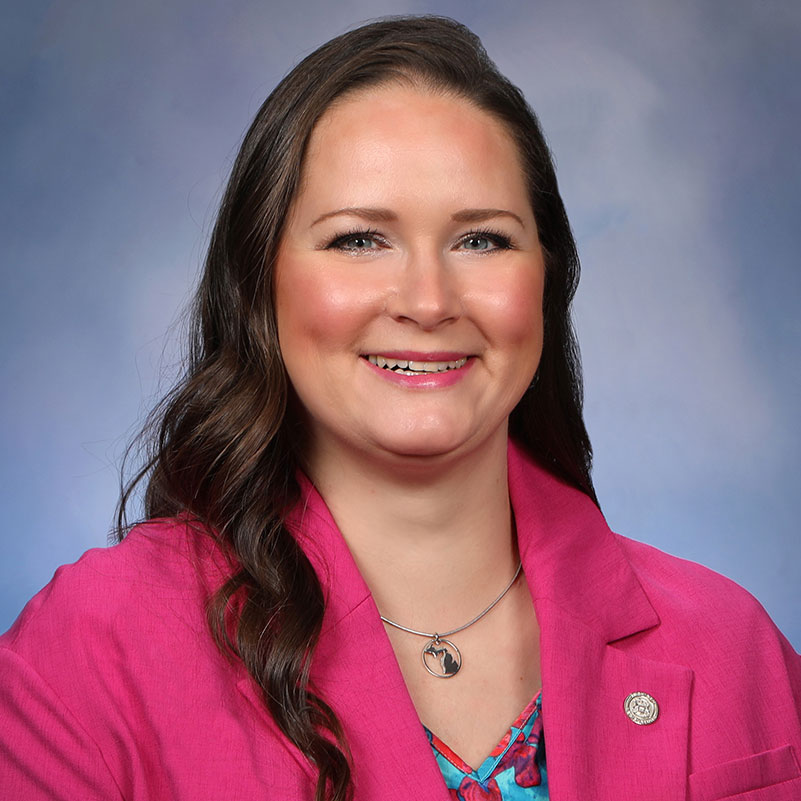
Key legislators
Who's moving education in Michigan
Showing 4 of 4
bills
All education bills
This bill modifies Michigan's interim teaching certification process to establish stricter requirements for individuals seeking to teach without a full teaching certificate. It mandates that all candidates complete an approved alternative program with intensive training equivalent to at least 12 college credits, including coursework in child development, diverse learners, and classroom experience. A significant change is the prohibition of new interim certificates for special education teaching starting July 21, 2027, which requires applicants to complete an additional 32-credit specialized training program unless they already hold a full teaching certificate. The legislation also ensures that teachers holding these interim certificates receive intensive observation and coaching while they work toward earning a permanent Michigan teaching certificate.
This bill would require Michigan teacher preparation programs to mandate specific literacy training for all participants by September 2027. The legislation adds new requirements to the state's school code, making completion of LETRS training and comprehensive knowledge of the science of reading mandatory for graduation from these programs. Specifically, all individuals in teacher preparation programs must complete LETRS training, and those who teach literacy or reading methods courses must also demonstrate comprehensive knowledge of reading science. The bill applies to both traditional teacher preparation programs and alternative teaching programs, with the state department responsible for enforcing these new approval standards.
HB 5630 allocates funding for Michigan's public K-12 schools and community colleges for fiscal years 2026-2027. It provides $18.37 billion for K-12 schools from the state school aid fund, general fund, and other education trust funds, plus $493 million for community colleges across 12 institutions. The bill specifies exact funding amounts for each community college's operations and includes provisions for unused funds to transfer to a stabilization fund. This omnibus appropriations bill directly affects all public school districts and community colleges statewide by setting their state funding levels for the next two fiscal years.
SB 517 amends Michigan's school code to clarify how school districts can use bond funds. It allows districts to borrow for physical infrastructure (like buildings, playgrounds, and initial technology hardware/software purchases) but explicitly prohibits using bond proceeds for ongoing technology costs - such as software upgrades, maintenance, training, or repairs. The bill directly affects school districts by restricting their borrowing options for technology-related expenses. It also requires independent audits of bond spending and permits residents to sue if districts violate these rules.