Issue · Criminal Justice

Criminal Justice (Drug Policy)

Every criminal justice bill, vote, and legislator stance in Michigan, automatically classified by Maddy, our AI policy reader.

Total bills
26
2025-2026 Regular Session
Top supporter
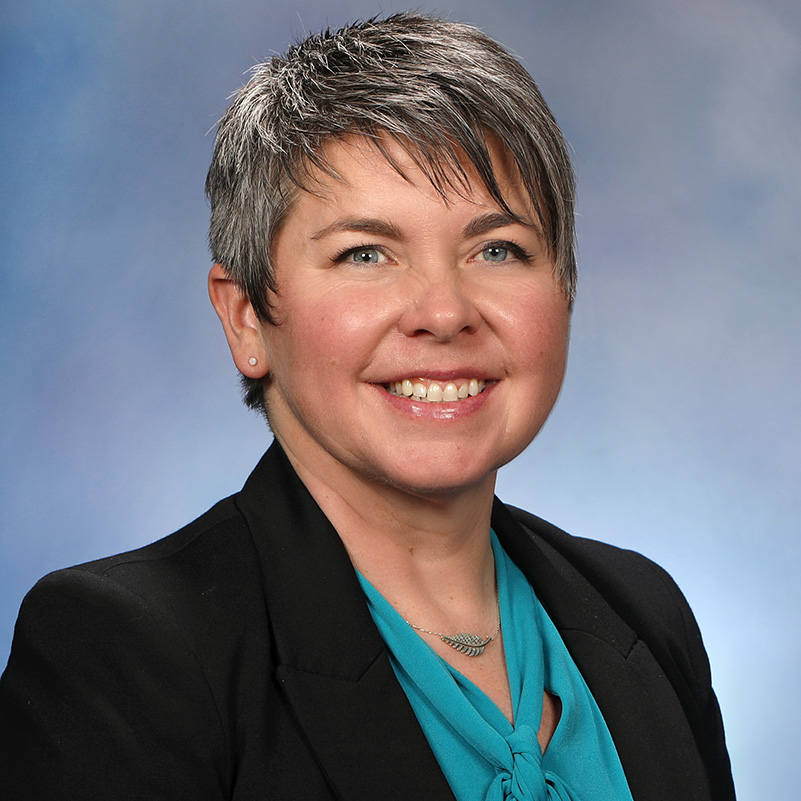
Betsy Coffia
100% support rate
Top opponent
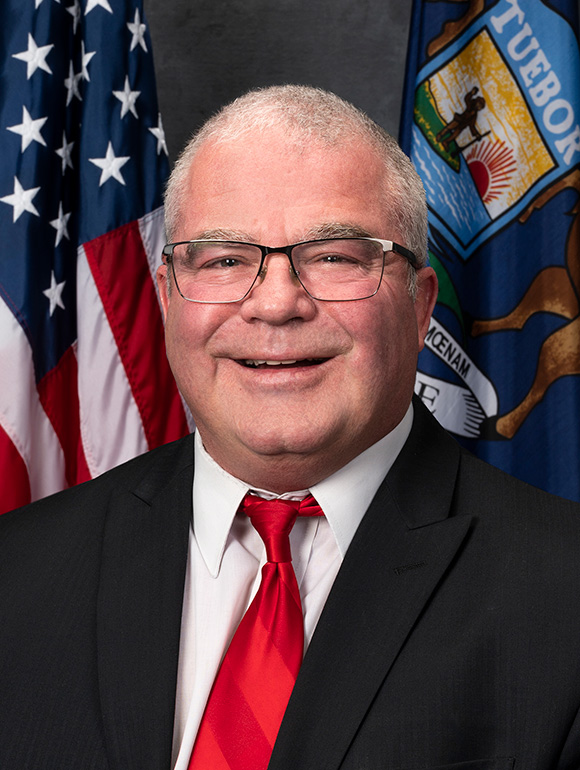
Pat Outman
0% support rate
Ranked legislators
10
5 support · 5 oppose
Key legislators

Who's moving drug policy in Michigan

Legislators moving drug policy in Michigan
Legislator Party Stance Support rate Votes
Betsy Coffia
Betsy Coffia House · District 103
D
Strong +
100% 4
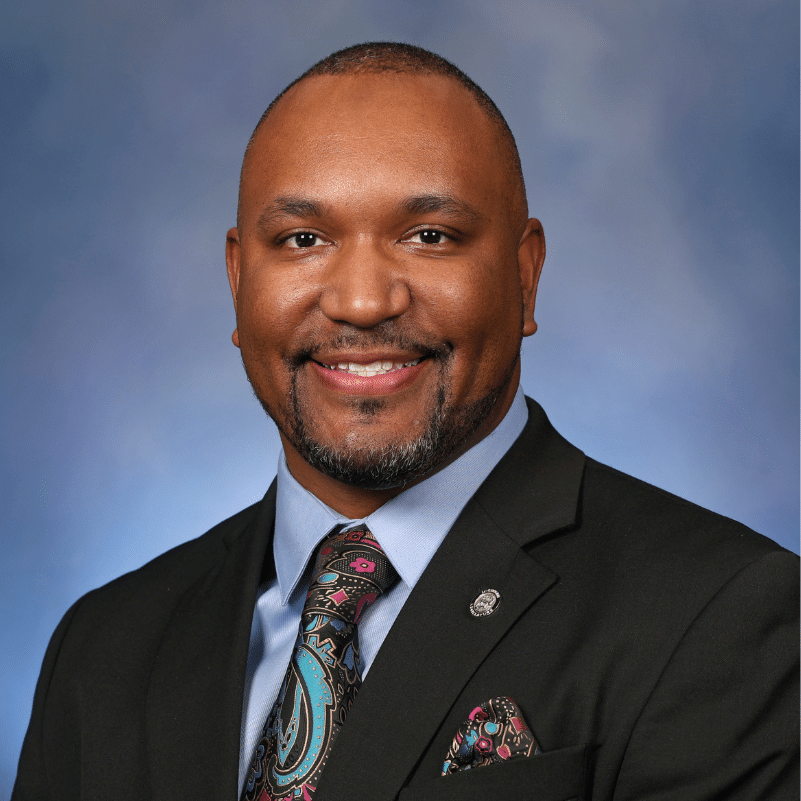
Jimmie Wilson
Jimmie Wilson House · District 32
D
Strong +
100% 4
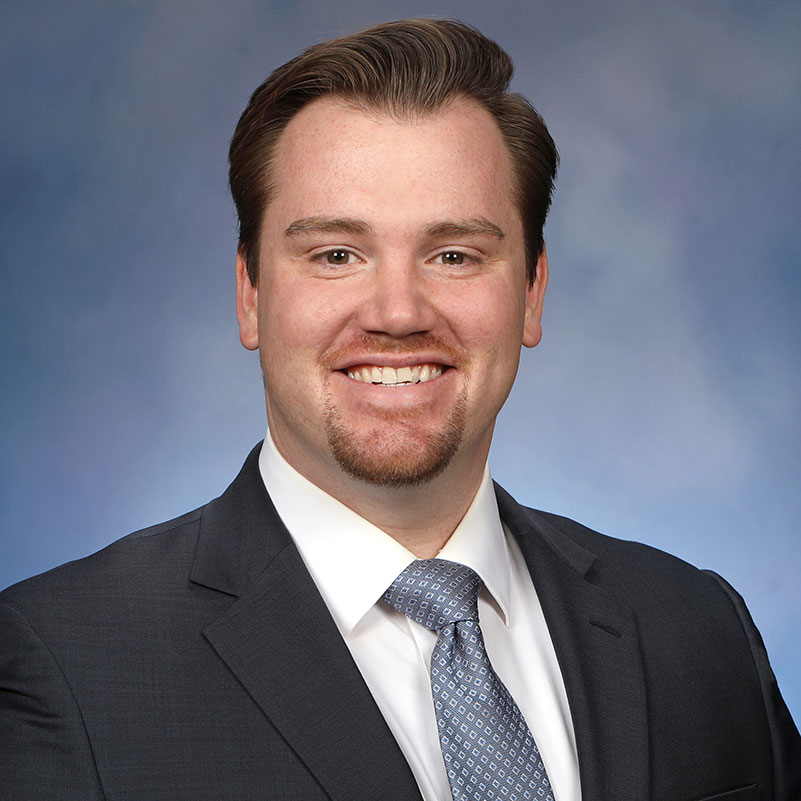
Joey Andrews
Joey Andrews House · District 38
D
Strong +
100% 4
John Fitzgerald
John Fitzgerald House · District 83
D
Strong +
100% 4
Julie Brixie
Julie Brixie House · District 73
D
Strong +
100% 4
Pat Outman
Pat Outman House · District 91
R
Strong −
0% 5
Rick Outman
Rick Outman Senate · District 33
R
Strong −
0% 5
Alicia St. Germaine
Alicia St. Germaine House · District 62
R
Strong −
0% 4
Angela Rigas
Angela Rigas House · District 79
R
Strong −
0% 4
Ann Bollin
Ann Bollin House · District 49
R
Strong −
0% 4
Showing 21–26 of 26 bills

All criminal justice bills

passed both · Michigan · House Jan 21, 2026

HB 4948: Controlled substances: other; sentencing guidelines for retail sale of products containing ephedrine or pseudoephedrine; modify. Amends sec. 13m, ch. XVII of 1927 PA 175 (MCL 777.13m). TIE BAR WITH: HB 4947'25

HB 4948 modifies sentencing guidelines for retail sales of products containing ephedrine or pseudoephedrine, which are ingredients commonly found in cold medicines but can be misused to make illegal drugs like methamphetamine. The bill specifically targets retailers who sell these products, altering the legal penalties for violations related to such sales. It amends Michigan's criminal procedure code (MCL 777.13m) to adjust how courts handle these offenses. The bill is currently under review in the Judiciary Committee after being referred for second reading.
Sub-Topics Drug Policy Sentencing
passed · Michigan · Senate Apr 22, 2026

SB 463: Tobacco: other; minors that purchase, possess, or use tobacco products, vapor products, or alternative nicotine products; sunset criminal penalties and civil sanctions for. Amends sec. 2 of 1915 PA 31 (MCL 722.642).

SB 463 removes criminal penalties and civil fines for minors (under 18) who purchase, possess, or use tobacco products, vapor products, or alternative nicotine products. The bill eliminates existing legal consequences for these minor offenses, shifting focus away from punishment. It directly affects underage individuals by ending enforcement of penalties under current law (MCL 722.642). The key provision is a "sunset" of these penalties, meaning they would no longer apply once the bill takes effect.
in committee · Michigan · House Mar 6, 2025

HB 4167: Criminal procedure: sentencing guidelines; sentencing guidelines for illicit use of xylazine; provide for. Amends sec. 13m, ch. XVII of 1927 PA 175 (MCL 777.13m).

HB 4167 amends Michigan's sentencing guidelines to specifically address the illicit use of xylazine, a veterinary drug increasingly misused in illicit drug mixtures. The bill adds xylazine to the list of substances covered under sentencing guidelines (MCL 777.13m), meaning courts must now apply standardized sentencing ranges for convictions involving its unauthorized possession or use. This directly affects individuals convicted of xylazine-related offenses, including those using it alone or combined with other drugs. The change creates a clear, defined sentencing path for this specific offense, moving beyond general drug sentencing rules to address xylazine's growing public health impact. The bill was introduced on March 5, 2025, and referred to the Judiciary Committee.
Sub-Topics Drug Policy Sentencing
in committee · Michigan · Senate Jun 10, 2025

SB 384: Health: pharmaceuticals; delivery of prescription drugs associated with medically assisted treatment programs in county jails; allow. Amends sec. 17745a of 1978 PA 368 (MCL 333.17745a).

SB 384 amends Michigan law to allow county jails with medically assisted treatment programs to have dispensing prescribers delegate the delivery of specific prescription drugs directly to inmates. It applies to inmates currently in jail or those being released, permitting delivery of up to a 30-day supply of medication for medically assisted treatment. The bill requires delivery to follow written protocols and specifies that only drugs associated with these treatment programs can be delivered this way. This change streamlines medication access without requiring on-site pharmacies in participating jails.
in committee · Michigan · House May 21, 2026

HB 5105: Crimes: penalties; penalties regarding certain crimes involving marihuana; modify. Amends sec. 7401 of 1978 PA 368 (MCL 333.7401). TIE BAR WITH: HB 5107'25

HB 5105 modifies Michigan's sentencing rules for marijuana possession offenses under the Public Health Code. It lowers penalties for most possession amounts, reclassifying some as misdemeanors (e.g., 1-5 kilograms or 50-100 plants becomes a misdemeanor punishable by up to 1 year in jail or a $20,000 fine). For larger amounts, it reduces maximum prison terms (e.g., 45+ kilograms now carries a max 10-year felony instead of 15 years). The bill directly affects individuals convicted of marijuana offenses under current law, altering sentencing based on quantity. It is pending in committee after introduction on October 22, 2025.
Sub-Topics Drug Policy Sentencing
in committee · Michigan · Senate Nov 5, 2025

SB 432: Criminal procedure: probation; probation for certain major controlled substances offenses; allow. Amends sec. 1, ch. XI of 1927 PA 175 (MCL 771.1). TIE BAR WITH: SB 0430'25

SB 432 expands probation eligibility for certain major controlled substances offenses (excluding heroin, fentanyl, carfentanil, and their derivatives) that were previously ineligible under Michigan law. It allows courts to delay sentencing for up to one year to enable defendants to participate in drug treatment programs, requiring the court to document the reason for the delay in writing. The bill establishes a monthly supervision fee of $30 (without electronic monitoring) or $60 (with monitoring), capped at 12 months, which can be paid in installments or waived for indigent individuals. This applies to adult defendants not subject to juvenile probation.
Showing 21 to 26 of 26 bills