Issue · Budget & Taxes

Budget & Taxes

Every budget & taxes bill, vote, and legislator stance in Michigan, automatically classified by Maddy, our AI policy reader.

Total bills
34
119th Congress
Top supporter
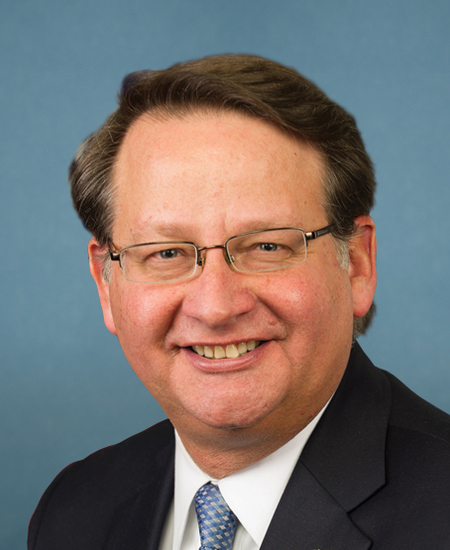
Gary C. Peters
69% support rate
Top opponent
Kristen McDonald Rivet
15% support rate
Ranked legislators
10
5 support · 5 oppose
Key legislators

Who's moving budget & taxes in Michigan

Legislators moving budget & taxes in Michigan
Legislator Party Stance Support rate Votes
Gary C. Peters
Gary C. Peters Senate
D
Support
69% 273
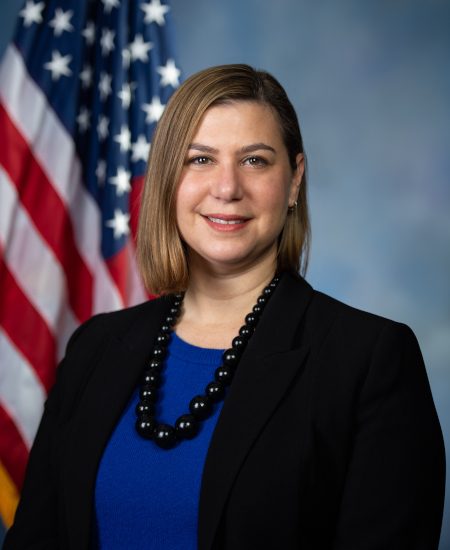
Elissa Slotkin
Elissa Slotkin Senate
D
Support
67% 271
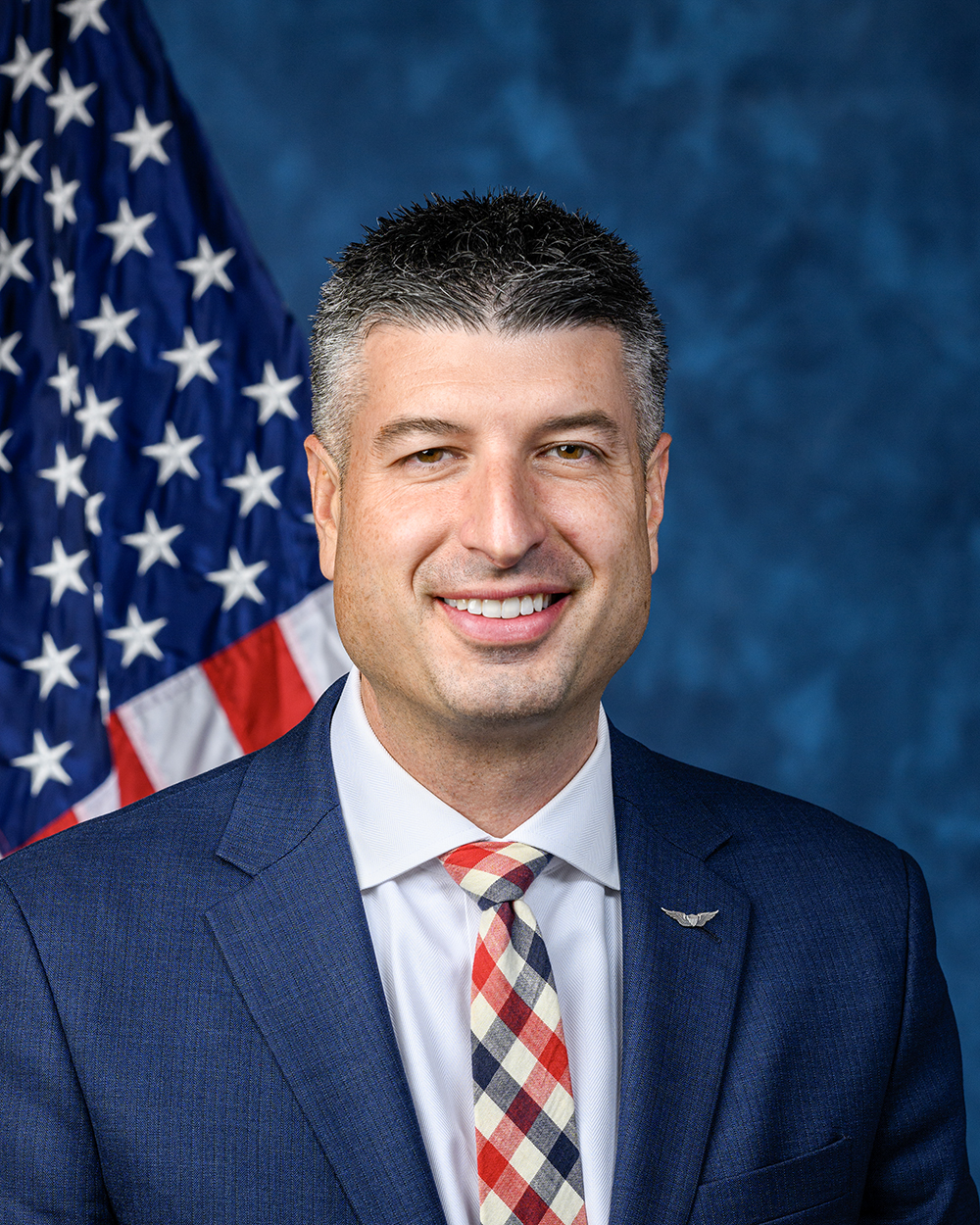
Tom Barrett
Tom Barrett House · District 7
R
Support
66% 185
John James
John James House · District 10
R
Support
66% 181
Lisa C. McClain
Lisa C. McClain House · District 9
R
Support
64% 183
Kristen McDonald Rivet
Kristen McDonald Rivet House · District 8
D
Strong −
15% 178
Hillary J. Scholten
Hillary J. Scholten House · District 3
D
Strong −
16% 184
Haley M. Stevens
Haley M. Stevens House · District 11
D
Strong −
18% 186
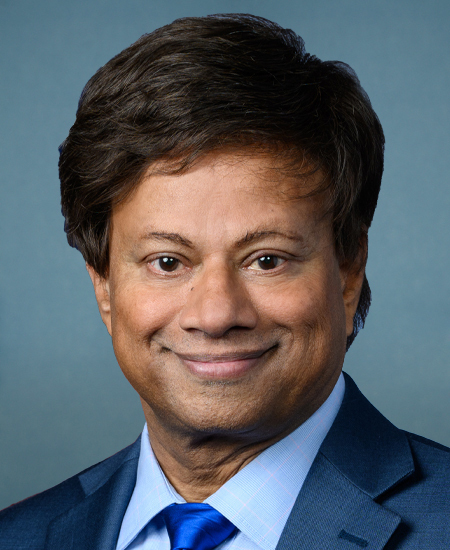
Shri Thanedar
Shri Thanedar House · District 13
D
Strong −
18% 186
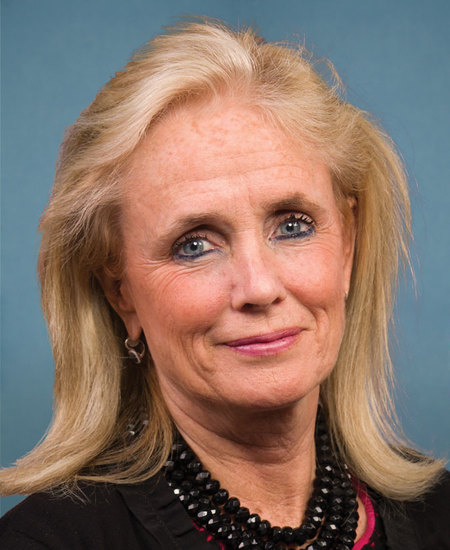
Debbie Dingell
Debbie Dingell House · District 6
D
Strong −
20% 179
Showing 1–10 of 34 bills

All budget & taxes bills

in committee · United States · House Jul 15, 2026

HR 9714: Capping Appointed Positions Act

This bill, known as the Capping Appointed Positions Act, limits the total number of specific high-level roles in the federal executive branch to a maximum of 1,600 positions. It directly affects confidential or policy-determining jobs classified under Schedule C and Schedule G, which are typically filled by individuals appointed rather than hired through standard civil service procedures. The law sets a hard cap for fiscal year 2027 and every year after that, ensuring the combined total of these positions cannot exceed the specified limit. By restricting the quantity of these roles, the legislation aims to control the size of the appointed workforce within the government's executive agencies.
in committee · United States · House Jul 7, 2026

HR 9314: DHS Surveillance Technology Moratorium Act of 2026

The DHS Surveillance Technology Moratorium Act of 2026 temporarily halts the Department of Homeland Security from using funds to start, renew, or expand contracts for surveillance tools used in immigration enforcement, such as facial recognition and predictive analytics. This pause applies to agencies like U.S. Immigration and Customs Enforcement and Customs and Border Protection, though existing contracts can continue until a review is complete. The bill mandates an independent audit within 180 days to examine data collection practices, privacy impacts, and the accuracy of these technologies, followed by a public report detailing their use and capabilities. The funding ban remains in effect until the audit is finished, a public report is released, and the department demonstrates it has implemented necessary safeguards to protect civil liberties. Once these conditions are met, the moratorium lifts, but the department must submit annual reports on its continued use of these technologies and any related privacy complaints.
in committee · United States · House Jun 11, 2026

HR 9289: Keep Public Funds in Public Schools Act of 2026

The Keep Public Funds in Public Schools Act of 2026 eliminates a federal tax credit that allowed parents to deduct contributions to scholarship granting organizations from their income. By removing these specific tax breaks, the bill prevents the use of public tax dollars to support private school vouchers and scholarship programs. This change directly affects families who currently rely on these tax incentives to fund education outside the public school system. The provisions take effect for taxable years beginning after December 31, 2026.
in committee · United States · Senate Jun 1, 2026

S 4644: Drain the Slush Fund Act

The Drain the Slush Fund Act prohibits the U.S. government from paying any court judgments, settlements, or legal costs resulting from lawsuits filed by the President or Vice President. This restriction applies to all cases pending or filed on or after January 20, 2025, effectively barring federal funds from covering legal expenses for these specific high-ranking officials. By amending Section 1304 of the United States Code, the bill ensures that no money from the Treasury can be used to satisfy financial awards or costs associated with litigation initiated by the President or Vice President.
in committee · United States · House May 21, 2026

HR 8955: Bipartisan Transparency for American Taxpayers Act

The Bipartisan Transparency for American Taxpayers Act prohibits the use of federal funds to pay claims submitted to the Anti-Weaponization Fund. This fund was established by the Department of Justice on May 18, 2026, and the bill specifically bars any money from being used for these payments. The legislation directly affects the Department of Justice and any individuals or entities seeking reimbursement from this specific fund. By restricting funding sources, the bill aims to prevent taxpayer money from being spent on claims directed to this newly created entity.
Tags Government Transparency
in committee · United States · House Mar 26, 2026

HR 8108: End Polluter Welfare for Enhanced Oil Recovery Act of 2026

This bill, titled the "End Polluter Welfare for Enhanced Oil Recovery Act of 2026," eliminates federal tax credits related to enhanced oil recovery (EOR). It directly affects oil and gas companies that utilize or plan to utilize EOR methods. Specifically, the bill strikes Section 43 of the Internal Revenue Code, thereby ending the existing Enhanced Oil Recovery Credit. Furthermore, for new facilities constructed after the bill's enactment, it removes eligibility for the carbon capture tax credit (Section 45Q) when captured carbon oxide is used for enhanced oil recovery. These changes discontinue tax incentives that support specific oil extraction techniques.
Sub-Topics Tax Credits Oil & Gas
in committee · United States · House Mar 26, 2026

HR 8103: To prohibit the use of funds to use military force in or against Cuba, and for other purposes.

This bill prohibits the use of federal funds for military force in or against Cuba from its enactment until December 31, 2026, unless Congress declares war or passes specific statutory authorization. The restriction applies to all government funds and prevents military actions without congressional approval under the War Powers Resolution. An exception allows military force consistent with the War Powers Resolution's provisions for urgent situations requiring immediate action. The legislation directly affects the U.S. Department of Defense and federal budget processes by limiting how funds can be used for military operations targeting Cuba.
in committee · United States · House Jan 9, 2025

HR 272: Protecting Life and Taxpayers Act of 2025

HR 272, the Protecting Life and Taxpayers Act of 2025, prohibits federal funding (directly or indirectly) to any organization that performs or funds abortions, requiring certification from all recipients. This applies to entities receiving federal funds, including contractors and subsidiaries, with limited exceptions for pregnancies resulting from rape or incest, or when a physician certifies a life-threatening condition. The bill directly affects healthcare providers, clinics, and organizations that rely on federal grants or contracts. It changes existing funding rules by banning federal money from supporting abortion services, except in the specified medical or criminal exceptions.
Sub-Topics Women's Health
in committee · United States · House Jun 12, 2025

HR 3987: No Community Development Block Grants for Sanctuary Cities Act

This bill amends federal law to block Community Development Block Grants (CDBG) from going to local governments that qualify as "sanctuary jurisdictions." A sanctuary jurisdiction is defined as a city or county that restricts sharing immigration status information with federal authorities or refuses to comply with certain immigration detainer requests. The law requires grant recipients to certify they are not sanctuary jurisdictions during the grant period. This directly affects cities and counties with policies limiting cooperation on immigration enforcement, potentially withholding federal funds for housing, infrastructure, and community programs. The exception for jurisdictions not sharing information when victims or witnesses of crimes come forward is included.
in committee · United States · House Dec 2, 2025

HR 143: Unauthorized Spending Accountability Act

Unauthorized Spending Accountability Act This bill reduces budgetary levels for certain federal programs that are funded through the annual appropriations process and do not have an authorization of appropriations. Under the bill, budgetary levels are spending allocations provided to the congressional appropriations committees by a congressional budget resolution or a deeming resolution. The allocations are provided under the Congressional Budget Act of 1974 and are often referred to as 302(a) allocations. The bill applies to programs included in the Congressional Budget Office's (CBO's) annual report listing programs that are funded through the appropriations process and have an authorization of appropriations that has either expired or will expire during the year.  If a program is listed in the CBO report, the bill requires specified reductions to be implemented over a three-year period and terminates the unauthorized programs at the end of the third unauthorized year.
Showing 1 to 10 of 34 bills
1 2 3 4 Next