Issue · Environment

Environment

Every environment bill, vote, and legislator stance in Massachusetts, automatically classified by Maddy, our AI policy reader.

Total bills
996
194th Legislature (2025-2026)
Top supporter
Alyson Sullivan-Almeida
100% support rate
Top opponent
Bridget Plouffe
0% support rate
Ranked legislators
10
5 support · 5 oppose
Key legislators

Who's moving environment in Massachusetts

Legislators moving environment in Massachusetts
Legislator Party Stance Support rate Decisive votes
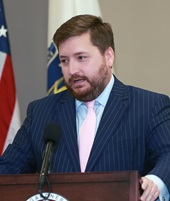
Alyson Sullivan-Almeida
Alyson Sullivan-Almeida House · District 7th Plymouth
R
Strong +
100% 16
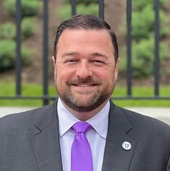
Dave Muradian
Dave Muradian House · District 9th Worcester
R
Strong +
100% 16
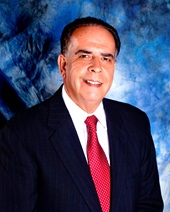
Dave Vieira
Dave Vieira House · District 3rd Barnstable
R
Strong +
100% 16
Donnie Berthiaume
Donnie Berthiaume House · District 5th Worcester
R
Strong +
100% 16
Mike Soter
Mike Soter House · District 8th Worcester
R
Strong +
100% 16
Bridget Plouffe
Bridget Plouffe House · District 9th Plymouth
D
Strong −
0% 16
Jon Zlotnik
Jon Zlotnik House · District 2nd Worcester
D
Strong −
0% 16
Margaret Scarsdale
Margaret Scarsdale House · District 1st Middlesex
D
Strong −
0% 16
Ted Philips
Ted Philips House · District 8th Norfolk
D
Strong −
0% 16
Alan Silvia
Alan Silvia House · District 7th Bristol
D
Strong −
0% 15
Showing 321–330 of 996 bills

All environment bills

introduced · Massachusetts · House

HD 1585: An Act to "Skip the Stuff" to reduce restaurant waste

HD 1585 requires restaurants and third-party food delivery platforms in Massachusetts to provide single-use food serviceware (like utensils, napkins, or condiment packets) only upon a customer's specific request, not automatically. Food service providers may charge a $0.75 fee per transaction for these items, keeping 100% of the fee, while delivery platforms must let customers select single-use items via their app. The bill directly affects restaurants, delivery services, and consumers by shifting the default from single-use packaging to reusable options, aiming to reduce waste from unrecyclable, health-hazardous packaging. It defines key terms like "single-use" and specifies exceptions for drive-throughs and airport vendors but mandates the opt-in system for all other takeout and delivery orders.
Sub-Topics Recycling
introduced · Massachusetts · House

HD 2200: An Act relative to the pesticide board

This bill creates a 25-member "pesticide control modernization and environmental protection task force" to study Massachusetts' pesticide regulations. The task force, including agency heads and diverse stakeholders (farmers, environmental groups, industry reps, and experts), will examine 12 specific areas like the structure of the pesticide board, pesticide use impacts on watersheds and vulnerable communities, licensing processes, and reporting systems. It must issue a public report with recommendations within one year, including proposals for restructuring the pesticide board and improving oversight. The bill does not change current laws but directs a comprehensive review to inform future policy.
introduced · Massachusetts · House

HD 2481: An Act transferring the Massachusetts Community Climate Bank to the Massachusetts Clean Energy Technology Center

This bill transfers the Massachusetts Community Climate Bank's assets, staff, and ongoing projects to the Massachusetts Clean Energy Technology Center. The Center will now serve as the state's official Green Bank, responsible for financing clean energy projects across residential, municipal, small business, and commercial sectors. Key provisions include providing loans, grants, and investments to reduce greenhouse gases, with priority given to projects advancing climate goals, lowering emissions, and ensuring equitable access to clean energy. This directly affects residents, local governments, small businesses, and clean energy companies seeking financing for projects like solar installations, building decarbonization, and electric vehicle programs.
introduced · Massachusetts · Senate

SD 1591: An Act to further empower local climate action

This bill (SD 1591) amends Massachusetts' climate demonstration project rules to allow up to 20 cities and towns to participate (increasing the limit from 10). It requires participating cities/towns to first meet housing affordability standards - either by meeting a 10% affordable housing threshold under Chapter 40B or approving zoning that permits multi-family housing without age restrictions for families with children. Cities that already met the housing threshold by December 21, 2020, are exempt from this requirement. The Department of Energy Resources must issue implementing regulations by July 1, 2026.
introduced · Massachusetts · House

HD 2508: An Act authorizing the town of Newbury to adopt a bylaw restricting the use of second generation anticoagulant rodenticides

This bill authorizes the Town of Newbury to create a local bylaw restricting the use of second-generation anticoagulant rodenticides (a type of potent rat poison) on private property within the town. It directly affects Newbury residents and property owners who currently use these rodenticides for pest control. The key provision is granting the town legal authority to adopt such a restriction, without mandating it, and the bill takes effect immediately upon state approval. The measure focuses on enabling local environmental or safety decisions regarding these chemicals.
introduced · Massachusetts · House

HD 3288: An Act relative to clarifying property tax exemptions for solar and wind systems

This bill clarifies property tax exemptions for solar and wind energy systems in Massachusetts. It allows automatic property tax exemptions for systems producing up to 125% of a property's annual electricity needs, directly affecting residential and commercial property owners with qualifying renewable energy systems. For larger systems exceeding this threshold, owners must pay "payment in lieu of taxes" to their municipality through a negotiated agreement, with municipalities required to follow standardized billing procedures. The bill also mandates annual declarations from system owners about capacity and energy production, and directs state agencies to create guidance for valuing larger systems. These changes take effect July 1, 2023.
introduced · Massachusetts · House

HD 4120: An Act to establish group purchasing programs for solar, heat pumps, and insulation

This bill establishes three group purchasing programs to lower costs for energy efficiency upgrades. The executive office of energy and environmental affairs will create: (1) Solarize II for residential solar panels, (2) Heat Pump Mass for heat pump installations, and (3) Insulate Mass for home and business insulation. Prices will decrease as more participants join each program, modeled after the existing Solarize program. It directly affects homeowners and businesses seeking to install solar, heat pumps, or insulation by offering discounted pricing through collective purchasing. The bill focuses on concrete policy changes to expand access to these energy-saving technologies.
introduced · Massachusetts · House

HD 2890: An Act relative to improving asthma in schools

HD 2890 requires Massachusetts public schools with pediatric asthma rates of 20% or higher (or in the highest quartile) to develop indoor air quality management plans by September 1, 2024. These plans must include using HEPA vacuums in cleaning contracts, adopting environmentally preferable cleaning products meeting EPA or third-party standards (like Safer Choice or GreenSeal), and forming environmental health committees with school staff, nurses, parents, and community partners. Schools must report purchased products to the Department of Public Health and train staff on using these products safely. The bill directly affects public schools (including charter schools) in high-asthma communities, aiming to reduce indoor air pollutants that trigger asthma attacks.
introduced · Massachusetts · Senate

SD 802: An Act to expand the Bottle Bill

This bill expands Massachusetts' Bottle Bill to include more beverage containers and streamline returns. It adds a "bag-drop program" allowing consumers to drop off containers at designated locations for refunds within 3 days, defines "beverage" (excluding infant formula and animal-milk products), and increases the minimum refund value from $0.05 to $0.10 per container. The bill creates a "Clean Environment Fund" to manage collected deposits, using funds for waste programs, redemption center infrastructure, and water system improvements - excluding incineration costs. It directly affects consumers returning containers, retailers collecting deposits, and state environmental programs.
Sub-Topics Recycling
introduced · Massachusetts · Senate

SD 1701: An Act relative to setting deadlines to electrify the MBTA commuter rail

This bill requires the MBTA to provide fully electrified commuter rail service - using zero-emission infrastructure like electric trains and charging systems - across its entire system by December 31, 2035. It mandates specific deadlines: the MBTA must begin fully electrified service on the Providence/Stoughton, Fairmount, and Boston-to-Beverly segments of the Newburyport/Rockport lines by December 31, 2029, with detailed plans due by November 2026. The bill also requires the MBTA to develop short-term, medium-term, and long-term plans for electrification, including infrastructure upgrades, funding schedules, and public input periods. These plans must prioritize environmental justice communities for future electrification and align with the state’s greenhouse gas reduction targets.
Showing 321 to 330 of 996 bills
Previous 1 32 33 34 100 Next