

Issue · Education
Education
Every education bill, vote, and legislator stance in Massachusetts, automatically classified by Maddy, our AI policy reader.
Total bills
1,079
194th Legislature (2025-2026)
Top supporter
Steve Xiarhos
100% support rate
Top opponent
Mark Sylvia
9% support rate
Ranked legislators
10
5 support · 5 oppose
Key legislators
Who's moving education in Massachusetts
| Legislator | Party | Stance | Support rate | Votes |
|---|---|---|---|---|
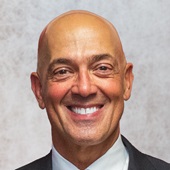
Steve Xiarhos
House · District 5th Barnstable
|
R |
Strong +
|
100% | 34 |

Dave Vieira
House · District 3rd Barnstable
|
R |
Strong +
|
94% | 36 |
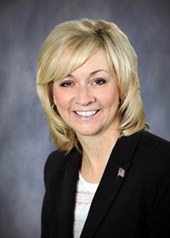
Kim Ferguson
House · District 1st Worcester
|
R |
Strong +
|
94% | 36 |
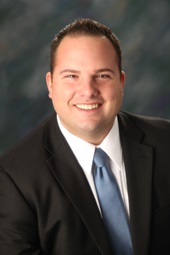
Dave Muradian
House · District 9th Worcester
|
R |
Strong +
|
94% | 36 |

Mike Chaisson
House · District 1st Bristol
|
R |
Strong +
|
94% | 34 |

Mark Sylvia
House · District 10th Bristol
|
D |
Strong −
|
9% | 35 |

Estela Reyes
House · District 4th Essex
|
D |
Strong −
|
9% | 34 |
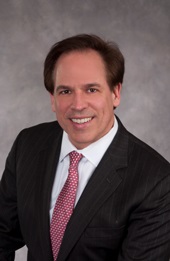
Dave Rogers
House · District 24th Middlesex
|
D |
Strong −
|
10% | 32 |

Dru Tarr
House · District 5th Essex
|
D |
Strong −
|
11% | 28 |
Alan Silvia
House · District 7th Bristol
|
D |
Strong −
|
11% | 36 |
Showing 901–910 of 1,079
bills
All education bills
SD 173: An Act to ensure the health and safety of the commonwealth’s students and educators
Topics
✓ EducationSupports EducationMandates ventilation standards and humidity controls in K-12 schools to protect health during pandemics, directly enhancing school infrastructure safety for students and educators.
✓ HealthcareSupports HealthcareMandates school ventilation standards to reduce airborne disease transmission during pandemics, directly supporting public health initiatives.
✓ Labor & EmploymentSupports Labor & EmploymentBill mandates ventilation standards to protect educators' workplace safety during pandemics, directly improving occupational health conditions for staff.
Sub-Topics
K-12 Education
HD 533: An Act to create and expand student pathways to success
Topics
✓ Budget & TaxesSupports Budget & TaxesBill allocates $1,000/student for high-demand certifications and $800 for regional programs, directly funding workforce development through state budget appropriations.
✓ EducationSupports EducationBill provides direct funding ($1,000/student for high-demand certs) to school districts for career-focused educational pathways, aligning with funding/support indicators for education.
✓ Labor & EmploymentSupports Labor & EmploymentFunds career certifications ($1,000/student) and creates workforce cabinet to align education with labor market needs, advancing employment standards.
HD 626: An Act teaching anti-racism in Massachusetts schools
Sub-Topics
Curriculum
SD 412: An Act to increase substance use prevention and awareness and reduce overdose abandonment
Topics
✓ EducationSupports EducationMandates schools to teach opioid risks and overdose reporting in curriculum, enhancing health education content per bill's requirements.
✓ HealthcareSupports HealthcareMandates school-based opioid education and health department collaboration to enhance public health prevention programs, directly advancing substance use prevention within healthcare policy.
HD 874: An Act to increase student access to career technical education schools and programs which are aligned with regional labor market needs
Sub-Topics
Career & Technical Education
HD 871: An Act relative to maintaining equal access to public education for all children in the Commonwealth
Topics
✓ EducationSupports EducationStrengthens equal access for English learners by adding anti-discrimination protections, requiring bilingual interpreters, and mandating native-language assessments - directly advancing educational access and equity.
✓ ImmigrationSupports ImmigrationAdds 'immigration status' to anti-discrimination protections, mandates language access for immigrant students, and prohibits school pressure on parents regarding services.
HD 853: An Act related to educational programming for incarcerated emerging adults
Topics
✓ Criminal JusticeSupports Criminal JusticeMandates educational programming in corrections for incarcerated youth to reduce recidivism and improve rehabilitation, directly advancing criminal justice reform goals.
✓ EducationSupports EducationMandates educational programming for incarcerated youth, expanding access to high school equivalency and workforce training programs in correctional facilities.
✓ Labor & EmploymentSupports Labor & EmploymentBill mandates vocational training and workforce development for incarcerated individuals, directly supporting re-entry employment and improving workforce readiness, aligning with Labor & Employment goals.
HD 92: An Act relative to equitable accelerated learning opportunities for public school students
Sub-Topics
Teachers
HD 918: An Act relative to educational freedom
Topics
✓ Budget & TaxesSupports Budget & TaxesBill allocates state funds for private education scholarships, creating new government spending through appropriations (capped at $500/year)
✓ EducationSupports EducationBill creates state-funded scholarship accounts for private school, community college, and educational services, expanding access and funding for educational options.