Issue · Labor & Employment

Labor & Employment

Every labor & employment bill, vote, and legislator stance in Maryland, automatically classified by Maddy, our AI policy reader.

Total bills
181
2026 Regular Session
Top supporter
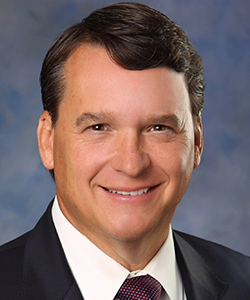
Nick Charles
100% support rate
Top opponent
William Folden
0% support rate
Ranked legislators
10
5 support · 5 oppose
Key legislators

Who's moving labor & employment in Maryland

Legislators moving labor & employment in Maryland
Legislator Party Stance Support rate Votes
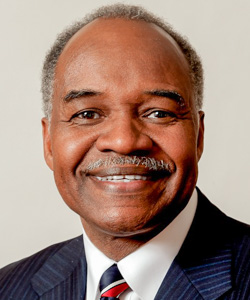
Nick Charles
Nick Charles Senate · District 25
D
Strong +
100% 83
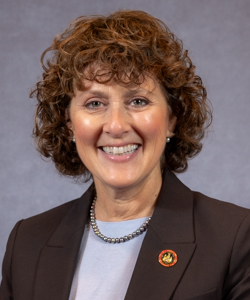
Shelly Hettleman
Shelly Hettleman Senate · District 11
D
Strong +
100% 100
Dalya Attar
Dalya Attar Senate · District 41
D
Strong +
100% 70
Ben Brooks
Ben Brooks Senate · District 10
D
Strong +
100% 99
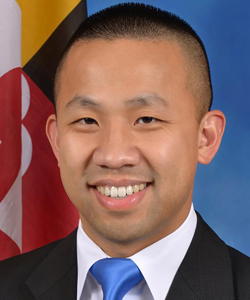
Clarence Lam
Clarence Lam Senate · District 12
D
Strong +
100% 97
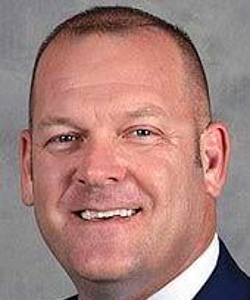
William Folden
William Folden Senate · District 4
R
Strong −
0% 81
Jason Gallion
Jason Gallion Senate · District 35
R
Strong −
0% 100
Steve Hershey
Steve Hershey Senate · District 36
R
Strong −
0% 97
Johnny Mautz
Johnny Mautz Senate · District 37
R
Strong −
0% 100
J.B. Jennings
J.B. Jennings Senate · District 7
R
Strong −
0% 100
Showing 141–150 of 181 bills

All labor & employment bills

passed · Maryland · House of Delegates Apr 9, 2026

HB 74: State Procurement - Security Services - Contract Modification

HB 74 requires state contracts for construction or security services exceeding $2 million over three years to include a clause allowing contract modifications when statutory changes increase required compensation or benefits (e.g., new minimum wage laws). This directly affects large contractors working with Maryland state agencies on these projects. The bill mandates that any modified contract must first receive approval from the Chief Procurement Officer. It aims to ensure fair adjustments for cost increases driven by state-mandated changes, without requiring contractors to absorb unexpected expenses. The law takes effect October 1, 2026.
Sub-Topics Minimum Wage
signed · Maryland · House of Delegates Apr 28, 2026

HB 624: Hospitals - Clinical Staffing Committees and Plans - Establishment (Safe Staffing Act of 2026)

HB 624 (Safe Staffing Act of 2026) requires most Maryland hospitals to establish clinical staffing committees with equal management and employee representation, including specific frontline staff like nursing assistants and dietary aides. These committees must develop annual staffing plans considering patient acuity, staffing gaps, and evidence-based standards, then post the plans publicly and update them yearly. Hospitals must implement these plans starting in 2028, allow staff to file complaints about violations, and report annually to the Maryland Health Care Commission beginning in 2030. The law directly affects licensed hospitals and frontline healthcare workers by mandating structured, transparent staffing processes to address patient care needs.
died · Maryland · Senate Feb 19, 2026

SB 235: Baltimore County - Property Tax Credits - Public Safety Officers and Public School System Employees

SB 235 requires Baltimore County's governing body to establish property tax credits for homes owned by public safety officers and Baltimore County public school employees. The bill mandates that the county create specific rules for the credit amount, duration, eligibility, and application process through local law. It directly affects these two groups of public employees by potentially reducing their county property tax burden. The law takes effect June 1, 2026, applying to taxable years beginning after June 30, 2026.
Sub-Topics Property Tax Tags Public Safety
in committee · Maryland · House of Delegates Feb 9, 2026

HB 612: Correctional Education and Workforce Skills Training Programs - State Correctional Ombudsman and Certified Peer Recovery Specialist Training Program for Incarcerated Individuals

HB 612 creates a new Certified Peer Recovery Specialist Training Program within Maryland's Department of Labor for incarcerated individuals in state correctional facilities. The bill requires the Director of Correctional Education to consult with the State Correctional Ombudsman when operating education programs and mandates the Department of Labor to establish two new positions: one to support correctional education staff and another to assist certified peer recovery specialists. The program provides funding for training, compensation for participants, and prepares incarcerated individuals to work in behavioral health and community recovery services after release. This directly affects incarcerated individuals in Maryland's correctional system by offering structured career pathways through peer support training.
in committee · Maryland · House of Delegates Feb 20, 2026

HB 19: Higher Education - Maryland Public Service Loan Forgiveness Program - Establishment

HB 19 establishes Maryland's Public Service Loan Forgiveness Program to help State employees repay student loans. It directly affects State workers in the Executive, Legislative, or Judicial branches who earned a degree from a Maryland-accredited school and have completed 10 years of continuous State service. The program will forgive 100% of an eligible employee's remaining student loan debt, with priority given to those who graduated from the University System of Maryland or institutions with high Pell Grant enrollment. The Office of Student Financial Assistance will administer the program and report annually to the legislature on its implementation.
signed · Maryland · Senate May 26, 2026

SB 101: Higher Education - Loan Repayment and Scholarships for Correctional Officers

SB 101 adds correctional officers to Maryland's existing loan repayment and scholarship programs for public safety workers. It expands the Maryland Loan Assistance Repayment Program (Subtitle 37) to allow correctional officers who work in state facilities for at least two years to get help repaying higher education loans. It also creates a new scholarship program (Subtitle 38) for students or current correctional officers pursuing relevant degrees, requiring a five-year service commitment after graduation. The bill directly affects correctional officers statewide by providing financial support for education and career advancement. The changes take effect July 1, 2026.
signed · Maryland · House of Delegates May 12, 2026

HB 503: Baltimore City Sheriff's Office - Collective Bargaining - Compensation

HB 503 allows full-time sworn deputy sheriffs (at lieutenant rank or below) and court security officers in Baltimore City to collectively bargain over compensation - including salary, wages, and city-managed benefits - as well as leave, hours, working conditions, and job security. It requires these officers to negotiate jointly with both the Sheriff and Baltimore City (not just one entity) for these matters, removing previous restrictions that excluded salary from bargaining. The bill excludes captains, appointed staff, civilian employees, part-timers, and temporary workers from these collective bargaining rights. This changes existing law to expand bargaining scope for eligible officers while specifying the joint negotiation process.
passed · Maryland · Senate Apr 13, 2026

SB 60: Fraud Prevention, Prevailing Wage, and Living Wage - Prohibitions, Penalties, and Enforcement

SB 60 prohibits employers from knowingly creating false records that cause underpayment of unemployment insurance contributions or overpayment of benefits exceeding $15,000 annually. It requires civil penalties from fraud violations to be deposited into the Unemployment Insurance Fund or used for worker restitution if prevailing wage laws were violated. The bill empowers the Attorney General to investigate and sue for workplace fraud, and allows licensing authorities to suspend licenses for serious fraud violations. It directly affects employers who commit wage or unemployment fraud, workers who may receive restitution, and state agencies enforcing labor and procurement laws.
passed · Maryland · House of Delegates Mar 20, 2026

HB 194: Incarcerated Individual Apprenticeship Pilot Program

HB 194, the Incarcerated Job Training Act, requires Maryland's Department of Public Safety and Correctional Services to create a paid apprenticeship program for incarcerated individuals in skilled trades. The bill mandates that participants earn at least the state minimum wage, with earnings deposited into their personal accounts for use after release. Employers - such as state agencies, local governments, or private businesses - can participate, but may reject assignments or withdraw from the program. Successful completers receive a certificate within 30 days of release, and the program must prioritize developing marketable job skills. The law takes effect October 1, 2026.
signed · Maryland · Senate Apr 28, 2026

SB 94: Commercial Law - Earned Wage Access - Revisions

SB 94 prohibits earned wage access providers in Maryland from accepting tips, offering tip options, or suggesting tips influence loan terms. It requires providers to clearly disclose that tips don’t affect services and must offer at least one no-cost earned wage access option. The bill also mandates providers return any tips that would make loan rates exceed legal limits within 7 days. These changes directly affect consumers using earned wage access services and the providers offering them.
Showing 141 to 150 of 181 bills
Previous 1 14 15 16 19 Next