

Issue · Housing
Housing
Every housing bill, vote, and legislator stance in Maryland, automatically classified by Maddy, our AI policy reader.
Total bills
146
2026 Regular Session
Top supporter
Cheryl Kagan
100% support rate
Top opponent
Johnny Mautz
0% support rate
Ranked legislators
10
5 support · 5 oppose
Key legislators
Who's moving housing in Maryland
| Legislator | Party | Stance | Support rate | Votes |
|---|---|---|---|---|

Cheryl Kagan
Senate · District 17
|
D |
Strong +
|
100% | 82 |

Kevin Harris
Senate · District 27
|
D |
Strong +
|
100% | 82 |

Craig Zucker
Senate · District 14
|
D |
Strong +
|
100% | 85 |

Dalya Attar
Senate · District 41
|
D |
Strong +
|
100% | 47 |

Dawn Gile
Senate · District 33
|
D |
Strong +
|
100% | 83 |

Johnny Mautz
Senate · District 37
|
R |
Strong −
|
0% | 85 |
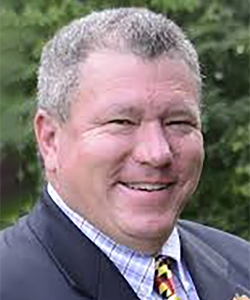
Jack Bailey
Senate · District 29
|
R |
Strong −
|
0% | 80 |
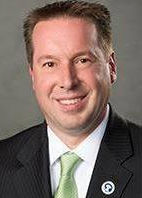
Paul Corderman
Senate · District 2
|
R |
Strong −
|
3% | 85 |
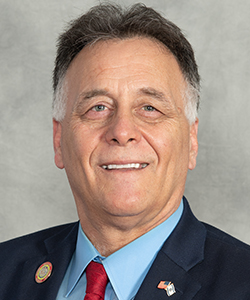
Johnny Salling
Senate · District 6
|
R |
Strong −
|
3% | 85 |
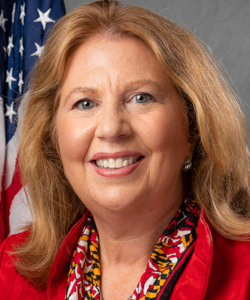
Mary Beth Carozza
Senate · District 38
|
R |
Strong −
|
3% | 85 |
Showing 131–140 of 146
bills
All housing bills
HB 573: Fair Housing and Housing Discrimination - Regulations, Intent, and Discriminatory Effect
Topics
✓ HousingSupports HousingProhibits housing discrimination based on effect (not just intent), strengthening tenant protections and preventing segregated housing patterns per Maryland's fair housing laws.
✓ ImmigrationSupports ImmigrationProhibits housing discrimination based on race and protected classes, protecting immigrants from housing bias.
HB 548: Land Use - Permitting - Development Rights (Maryland Housing Certainty Act)
Topics
✗ Budget & TaxesOpposes Budget & TaxesProhibits local development fees/taxes until project completion, restricting local tax revenue collection during construction.
✓ HousingSupports HousingStreamlines housing development via vested rights, reducing regulatory barriers to increase housing supply
HB 511: Catalytic Revitalization Project Tax Credit - Alterations
Topics
✓ Budget & TaxesSupports Budget & TaxesIncreases tax credit rate (20%→25%) and cap ($15M→$35M) for property rehabilitation, providing targeted tax relief to incentivize development and economic revitalization.
✓ HousingSupports HousingIncreases tax credit rate and cap for rehabilitating historic/vacant commercial properties, incentivizing housing development and affordable housing stock expansion.
HB 5: Community Development - Maryland New Markets Development Program - Establishment
Topics
✓ Budget & TaxesSupports Budget & TaxesCreates tax credits for businesses investing in low-income community development, providing tax relief to stimulate economic activity in underserved areas.
✓ HousingSupports HousingBill creates tax credits to incentivize investments in low-income areas via community development entities, directly advancing affordable housing development.
HB 168: Housing and Community Development - Affordable Housing - Educator Workforce Housing and Municipal Corporations
Topics
✓ EducationSupports EducationEnables school districts to use state housing funds for teacher housing, directly supporting educator workforce stability and access to housing as a specified group for tax credits.
✓ HousingSupports HousingBill explicitly permits using state housing funds for educator housing, qualifies it as eligible for state/federal programs, and designates teachers as a specified group for housing tax credits, directly advancing affordable housing access.
✓ Labor & EmploymentSupports Labor & EmploymentBill designates teachers as a 'specified group' for housing benefits, directly supporting educator workforce housing as an employment standard under state/federal programs.
SB 369: Nonprofit Housing Corporations - Tax and Enforcement of Judgment Exemptions - Alterations
Topics
✓ Budget & TaxesSupports Budget & TaxesExempts nonprofit housing for low-income residents from taxes, providing tax relief to support affordable housing programs and reduce financial burden on essential housing providers.
✓ HousingSupports HousingExempts nonprofit low-income housing from taxes/seizure, reducing costs for affordable housing providers and protecting housing stock for vulnerable residents.
HB 353: Prince George's County - Termination of Gas or Electric Service to Multifamily Dwelling Units - Notification PG 406-25
Sub-Topics
Tenant Rights
SB 22: Department of Disabilities - Housing Programs and Affiliated Foundations - Establishment
Tags
People with Disabilities
HB 590: Howard County - Transfer Tax - Use of Proceeds Ho. Co. 12-26
Topics
✓ Budget & TaxesSupports Budget & TaxesAllocates transfer tax revenues to schools, parks, agricultural innovation, and low-income housing programs, directly funding public services and essential initiatives.
✓ EducationSupports EducationBill allocates 25% of transfer tax proceeds specifically to school construction, directly funding school infrastructure per education topic indicators.
✓ HousingSupports HousingBill explicitly allocates 25% of transfer tax proceeds to 'low-income housing and community improvement', directly funding affordable housing initiatives.
Sub-Topics
Affordable Housing