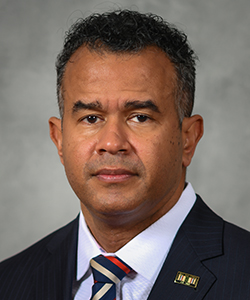
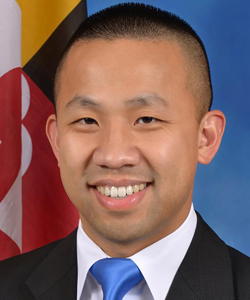
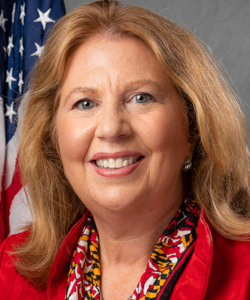
HB 417 (Public Health - Medetomidine and Xylazine Consumer Protection Act) regulates the sale of veterinary drugs medetomidine and xylazine. It prohibits retailers from selling these products without proof the buyer intends to use them for veterinary, scientific, or institutional purposes, and bans sales to anyone under 21. Retailers must maintain records of sales, including age verification and proof of intended use. Violations carry civil fines up to $6,500 per offense, with penalties deposited into Maryland's Substance Abuse Fund. The bill directly affects pharmacies, veterinary suppliers, and online retailers selling these specific products.
HB 633 requires Maryland health insurers, nonprofit health plans, and health maintenance organizations to cover salpingectomy (surgical removal of fallopian tubes) as a preventive measure for ovarian cancer. It prohibits these insurers from charging copayments, coinsurance, or deductibles for this specific procedure, ensuring no out-of-pocket costs for covered individuals. The exception applies only to high-deductible health plans under federal law, allowing the deductible to apply to the procedure in those cases. This law directly affects women eligible for preventive care and the health insurance providers operating in Maryland.
SB 489 modifies Maryland's licensing rules for physicians trained at international medical schools. It exempts applicants who provide evidence of completing two years of postgraduate training accredited by ACGME-I or another board-recognized body from standard educational requirements. These physicians would be permitted to practice medicine only during their initial license term under mandatory supervision, as specified by the Board. The bill takes effect October 1, 2026, directly affecting international medical graduates meeting these specific training criteria.
HB 1167 requires Maryland's Department of Health to replace its outdated Medicaid computer system with a modern, flexible system by 2028. The new system must maintain all current Medicaid functions - including processing medical/dental/pharmacy claims, provider enrollment, and beneficiary inquiries - while meeting federal security and performance standards. The bill mandates integration with existing Medicaid systems by January 2027 and full replacement of the old system by January 2028, subject to federal approval. This change directly affects Medicaid beneficiaries and healthcare providers through more reliable service delivery.
SB 515 requires Maryland's Health Services Cost Review Commission to consider all operational costs incurred by health facilities - including expenses for physicians and other providers without corresponding billing revenue - when setting hospital rates. This affects hospitals and health facilities operating under Maryland's all-payer model, as the Commission must now factor in full costs during rate reviews. The bill amends existing law to mandate that the Commission evaluate facility financial health and certify rates based on complete cost accounting, rather than excluding certain expenses. This change ensures rates more accurately reflect actual facility operations, including costs for professional services that previously weren't fully counted.
HB 1014 defines "danger to the life or safety of the individual or of others" for Maryland's mental health law, directly affecting individuals with mental disorders who might face involuntary admission. It specifies four concrete scenarios that constitute this danger: causing bodily harm, engaging in conduct leading to criminal involvement, inability to meet basic needs (food, shelter, medical care), or substantial deterioration in judgment that impairs treatment decisions. The definition requires a "substantial risk" considering the person's current condition and available history, replacing the prior standard. This change clarifies the legal threshold for involuntary hospitalization and emergency evaluations under Maryland law.
HB 813 authorizes Maryland's Medicaid program (Maryland Medical Assistance Program) to cover comprehensive obesity treatment, including intensive behavioral therapy, bariatric surgery, and FDA-approved weight management medications, starting January 1, 2027. The bill requires the Maryland Department of Health to notify Medicaid recipients if it chooses to provide this coverage and mandates a report to the legislature by November 1, 2027, on implementation progress. This directly affects Medicaid recipients with obesity by expanding covered treatments beyond current scope. The program may use standard utilization management processes (like for other conditions) to assess medical necessity but is not required to offer the coverage.
This bill updates Maryland's newborn screening program by changing how fees are set and how new tests are added to the screening panel. It requires the Department of Health to charge fees that cover all administrative, laboratory, and follow-up costs rather than setting a specific maximum amount. The bill also establishes a process where an advisory council must review risks, costs, and accessibility before the department decides whether to test for new conditions added to the national screening panel. Additionally, it extends the timeline for implementing new tests to two years if equipment or supplies are delayed, with required reporting to state committees.
HB 989 modifies how income is calculated for elderly individuals seeking state assistance. It prohibits including rental income from a portion of an individual's primary residence (e.g., renting a room) when determining eligibility for state tax credits, housing assistance, or medical assistance programs. The Department of Aging must review all relevant programs to confirm applicability and notify administering agencies if the rule applies. This change directly affects elderly Marylanders who rely on state assistance programs with income-based eligibility requirements. The law takes effect July 1, 2026.
HB 921 limits when minors in Maryland juvenile facilities can be placed in restrictive housing (isolation or special confinement). It prohibits using restrictive housing for discipline, punishment, or staff convenience, and requires facilities to use it only for immediate safety risks (like harm to self/others or facility security) for the shortest time possible (max 6 hours). Minors can request restrictive housing or withdraw that request at any time, and facilities must provide mental health screenings within 1 hour of placement. The bill also mandates that minors in restrictive housing receive the same access to phone calls, visits, medical care, education, and recreation as other minors, unless safety is at risk.