Issue · Criminal Justice

Criminal Justice (Civil Rights)

Every criminal justice bill, vote, and legislator stance in Maryland, automatically classified by Maddy, our AI policy reader.

Total bills
7
2026 Regular Session
Top supporter
Stuart Schmidt
100% support rate
Top opponent
Barrie Ciliberti
0% support rate
Ranked legislators
10
5 support · 5 oppose
Key legislators

Who's moving civil rights in Maryland

Legislators moving civil rights in Maryland
Legislator Party Stance Support rate Votes
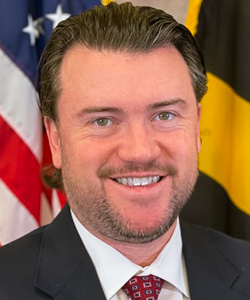
Stuart Schmidt
Stuart Schmidt House · District 33B
R
Strong +
100% 6
Dana Jones
Dana Jones House · District 30A
D
Strong +
80% 5
Diana Fennell
Diana Fennell House · District 47A
D
Strong +
80% 5
Gary Simmons
Gary Simmons House · District 12B
D
Strong +
80% 5
Kevin Hornberger
Kevin Hornberger House · District 35B
R
Support
75% 8
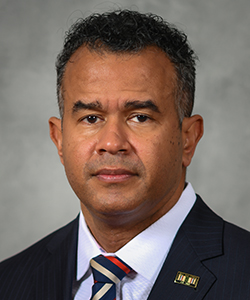
Barrie Ciliberti
Barrie Ciliberti House · District 4
R
Strong −
0% 3
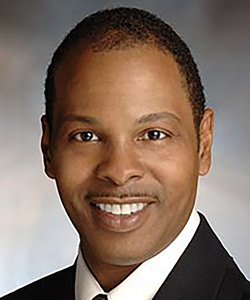
C.T. Wilson
C.T. Wilson House · District 28
D
Strong −
0% 3
William Wivell
William Wivell House · District 2A
R
Strong −
20% 5
Frank Conaway
Frank Conaway House · District 40
D
Oppose
25% 8
Chris West
Chris West Senate · District 42
R
Oppose
25% 4
Showing 7 of 7 bills

All criminal justice bills

signed · Maryland · House of Delegates May 12, 2026

HB 351: Civil Actions - Violation of Constitutional Rights (No Kings Act)

HB 351 allows Maryland's Attorney General or State's Attorney to direct the Maryland State Police to collect and securely retain specific digital data (like license plates, cell tower records, GPS, or facial recognition data) about federal agents when a complaint alleges misconduct such as excessive force or civil rights violations. It directly affects complainants who file such misconduct claims and law enforcement agencies handling those cases. The bill requires that complainants can only access this digital data through a court order in a 42 U.S.C. § 1983 civil rights case or a related criminal proceeding. It does not authorize general surveillance but creates a targeted process for gathering evidence in verified misconduct complaints against federal agents. The law takes effect October 1, 2026.
Sub-Topics Civil Rights Courts Policing Tags Civil Liberties
in committee · Maryland · House of Delegates Feb 6, 2026

HB 52: Election Law - Incarcerated Individuals - Voter Hotline and Voting Eligibility (Voting Rights for All Act)

This bill would create a toll-free voter hotline for incarcerated individuals to access voting information, request election materials, and report voting rights violations. It would remove the current ban preventing people convicted of a felony and serving a prison sentence from registering to vote. The law would allow incarcerated individuals to register while imprisoned, changing eligibility rules that currently exclude them. The bill is pending and would take effect January 1, 2027, if passed.
in committee · Maryland · Senate Feb 9, 2026

SB 89: Election Law - Incarcerated Individuals - Voter Hotline and Voting Eligibility (Voting Rights for All Act)

SB 89, the "Voting Rights for All Act," would require Maryland's State Board of Elections to create a toll-free hotline for incarcerated individuals to access voting information, request election materials, and report voting rights issues. It would remove a previous rule that barred people convicted of a felony and serving a prison sentence from registering to vote, allowing them to become registered voters while incarcerated. The bill also repeals a law that made voting while incarcerated a felony offense. These changes would directly affect incarcerated individuals in Maryland convicted of felonies and are scheduled to take effect on January 1, 2027.
in committee · Maryland · House of Delegates Jan 29, 2026

HB 513: Hate Crimes and Hate Bias - Definitions of Sexual Orientation and Hate Bias Incident

HB 513 updates Maryland's legal definitions related to hate crimes and hate bias incidents. It redefines "sexual orientation" to focus on an individual's identity or others' perception of that identity regarding attraction, explicitly stating it does not include gender identity. The bill also defines "hate bias incident" to include non-criminal acts like slurs, offensive symbols, or online threats targeting protected classes (including sexual orientation, gender, disability, and others). It requires law enforcement agencies to report such incidents to the Department of State Police, which must collect, analyze, and quarterly report this data to the Commission on Civil Rights. These changes directly affect law enforcement reporting requirements and the scope of protections under hate crime laws.
signed · Maryland · Senate May 12, 2026

SB 241: Election Law - Individuals Released From State Correctional Facilities - Automatic Restoration of Voter Registration

SB 241 automatically restores voting rights for Maryland residents released from state correctional facilities who were previously registered to vote. The Department of Public Safety and Correctional Services must send weekly lists of released individuals (including new addresses) to the State Board of Elections, which then automatically reinstates their voter registration at the provided address. The bill prohibits disclosing that someone was restored through this process under public information laws. It directly affects people released from facilities like Patuxent Institution and Baltimore City Detention Center who were registered before incarceration. The law takes effect January 1, 2027.
in committee · Maryland · House of Delegates Mar 30, 2026

HB 332: Civil Actions - Violation of Constitutional Rights (No Kings Act)

HB 332 (the "No Kings Act") creates a new civil rights lawsuit option in Maryland for individuals deprived of constitutional rights by officials acting "under color of law." It allows victims to sue state or local officials (including law enforcement or judicial officers) for damages, injunctions, or declaratory relief when their rights under the U.S. Constitution, Maryland Declaration of Rights, or Maryland Constitution are violated. Key provisions include a 3-year statute of limitations for filing claims, special rules limiting injunctive relief against judicial officers, and protections for officials claiming qualified immunity. The law applies to all pending cases as of its effective date (October 1, 2026).
Sub-Topics Civil Rights Law Enforcement Tags Civil Liberties
signed · Maryland · House of Delegates May 12, 2026

HB 115: Election Law - Individuals Released From State Correctional Facilities - Automatic Restoration of Voter Registration

HB 115 automatically restores voting rights for Maryland residents released from state prisons who were registered to vote before incarceration. The Department of Public Safety must send the State Board of Elections a weekly list of released individuals' names and new addresses, prompting the Board to reactivate their voter registration at their updated address. The bill requires the Board to send notification cards confirming voting eligibility and the right to update address or decline registration, while prohibiting public disclosure of how someone was restored through this process. This applies to all released individuals with prior registration who now reside in Maryland, effective January 2027.