Issue · Criminal Justice

Criminal Justice (Probation & Parole)

Every criminal justice bill, vote, and legislator stance in Maryland, automatically classified by Maddy, our AI policy reader.

Total bills
32
2026 Regular Session
Top supporter
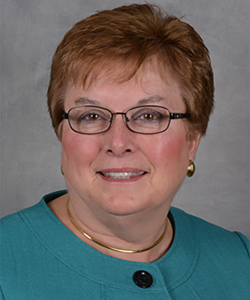
Nancy King
100% support rate
Top opponent
Mike McKay
0% support rate
Ranked legislators
10
5 support · 5 oppose
Key legislators

Who's moving probation & parole in Maryland

Legislators moving probation & parole in Maryland
Legislator Party Stance Support rate Votes
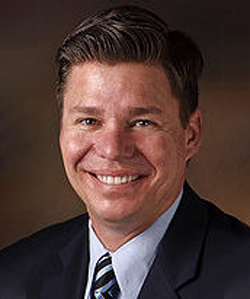
Nancy King
Nancy King Senate · District 39
D
Strong +
100% 8
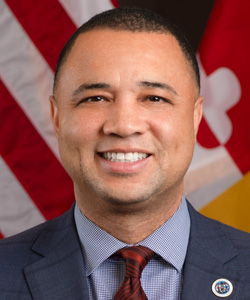
Antonio Hayes
Antonio Hayes Senate · District 40
D
Strong +
100% 7
Karen Young
Karen Young Senate · District 3
D
Strong +
100% 7
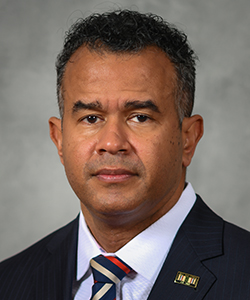
Alonzo Washington
Alonzo Washington Senate · District 22
D
Strong +
100% 5
C.T. Wilson
C.T. Wilson House · District 28
D
Strong +
100% 5
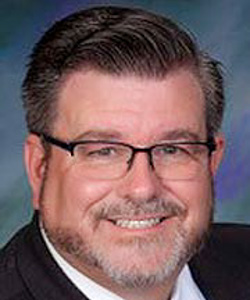
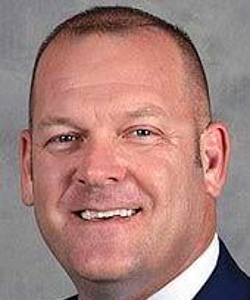
Mike McKay
Mike McKay Senate · District 1
R
Strong −
0% 8
William Folden
William Folden Senate · District 4
R
Strong −
0% 4
Mark Fisher
Mark Fisher House · District 27C
R
Strong −
10% 10
Jim Hinebaugh
Jim Hinebaugh House · District 1A
R
Strong −
11% 9
Terry Baker
Terry Baker House · District 1C
R
Strong −
11% 9
Showing 21–30 of 32 bills

All criminal justice bills

in committee · Maryland · House of Delegates Jan 29, 2026

HB 414: Courts - Jury Service - Disqualification

HB 414 changes Maryland's jury service rules by removing a disqualification for people currently on parole or probation for crimes punishable by more than one year in prison. Previously, individuals serving such sentences (including parole) were barred from jury duty, but this bill eliminates that specific barrier. The bill maintains disqualifications for crimes involving perjury, witness intimidation, jury intimidation, or certain offenses under Maryland's Criminal Law (Title 8). It also preserves requirements that jurors must understand English to complete qualification forms. This change would allow more people with past convictions to serve on juries, provided they meet all other eligibility criteria.
in committee · Maryland · House of Delegates Feb 2, 2026

HB 438: Adult Prison School Board Model Development Committee

HB 438 establishes the Adult Prison School Board Model Development Committee to create a school board system for correctional education in Maryland's prisons and juvenile facilities. The committee, composed of state officials, correctional education representatives, and experts (including formerly incarcerated individuals and nonprofit advocates), must develop a funding and operational plan by June 2028, examining costs for staff, materials, and budget management. This procedural bill does not enact immediate policy changes but sets a timeline for recommendations to the Governor and legislature. It expires automatically on June 30, 2028, after its two-year study period.
signed · Maryland · Senate May 12, 2026

SB 305: Qualifying Nonprofit Organizations - Incarcerated Individual Training and Reentry Grant Fund - Extension

SB 305 extends funding for nonprofit organizations providing automotive repair training and reentry services to formerly incarcerated individuals in Maryland. It extends the grant period from fiscal years 2026-2028 to 2026-2029, authorizing $1 million annually for qualifying nonprofits that train at least 50 individuals yearly in auto repair and achieve a 50% job placement rate for participants. The Governor’s Office of Crime Prevention administers the grants, requiring nonprofits to submit annual reports on fund usage, participant numbers, and employment outcomes. This bill directly affects nonprofits meeting specific service criteria and supports employment pathways for formerly incarcerated individuals.
signed · Maryland · Senate May 12, 2026

SB 241: Election Law - Individuals Released From State Correctional Facilities - Automatic Restoration of Voter Registration

SB 241 automatically restores voting rights for Maryland residents released from state correctional facilities who were previously registered to vote. The Department of Public Safety and Correctional Services must send weekly lists of released individuals (including new addresses) to the State Board of Elections, which then automatically reinstates their voter registration at the provided address. The bill prohibits disclosing that someone was restored through this process under public information laws. It directly affects people released from facilities like Patuxent Institution and Baltimore City Detention Center who were registered before incarceration. The law takes effect January 1, 2027.
died · Maryland · House of Delegates Feb 23, 2026

HB 205: Violent Criminals - Parole Limitation and Legislative Testimony Removal (Sexual Offender Accountability and Victim Protection Act)

HB 205 limits parole consideration for individuals convicted of specific sexual crimes (under Maryland Criminal Law §§ 3-602 or Title 3, Subtitle 3) to a single opportunity after eligibility. If a victim, family member, advocacy group, or representative objects to parole, it is permanently denied. The bill also requires removing any legislative testimony given by a convicted violent offender from the General Assembly’s website upon request by a victim or their representative, replacing it with a standard notice explaining the removal and a process for requesting the testimony. The law takes effect October 1, 2026.
Sub-Topics Probation & Parole
passed · Maryland · House of Delegates Mar 25, 2026

HB 16: Correctional Services - Maryland Parole Commission - Members and Hearing Examiners

HB 16 restructures Maryland's Parole Commission by increasing its membership from 10 to 15-20 members and changing how they are appointed. The bill requires the Governor to appoint members from a panel of 8 specific experts (including the Public Defender, a mental health specialist, and a prisoners' rights advocate), with the panel only needed for initial appointments. It eliminates the Commission's authority to use hearing examiners for parole hearings, replacing that role entirely. These changes directly affect parole commissioners, the parole hearing process, and individuals seeking parole in Maryland.
Sub-Topics Probation & Parole
in committee · Maryland · House of Delegates Jan 29, 2026

HB 507: Qualifying Nonprofit Organizations - Incarcerated Individual Training and Reentry Grant Fund - Extension

HB 507 extends the funding period for a grant program supporting nonprofit organizations that provide automotive repair training and reentry services to incarcerated and formerly incarcerated individuals. The bill allows the Governor to appropriate $1 million annually from fiscal years 2026 through 2029 (previously ending in 2028) for qualifying nonprofits that train at least 50 people yearly, provide nationally recognized automotive repair certificates, and achieve a 50% job placement rate for participants. These organizations must report on fund usage, participant numbers, and employment outcomes to the Governor’s Office of Crime Prevention. The extension ensures continued access to job training and employment opportunities for formerly incarcerated individuals in Maryland.
in committee · Maryland · House of Delegates Jan 29, 2026

HB 169: Criminal Procedure - Expungement of Records - Good Cause

HB 169 allows individuals with past misdemeanor or felony convictions to petition courts for expungement (removal of court records) after specific waiting periods: 5 years for misdemeanors and 7 years for felonies following completion of sentences, parole, or probation. Courts may grant expungement if a person demonstrates "good cause," considering factors like the crime's nature, rehabilitation success, public safety risk, and the impact of the conviction on employment or housing. If denied, the decision cannot be appealed, and the person must wait 3 years before reapplying for the same conviction. This bill directly affects Maryland residents seeking to clear past criminal records to improve access to jobs, housing, and other opportunities.
signed · Maryland · House of Delegates May 12, 2026

HB 467: Correctional Services - Maryland Parole Commission and Erroneously Convicted Individuals - Improvements in Transparency and Equity

HB 467 requires the Maryland Parole Commission to improve transparency and equity in parole decisions. It mandates annual reports broken down by race showing parole grants, denials (with reasons), administrative releases, hearing purposes, and parole-eligible individuals not granted parole. The bill also prohibits permanent parole denial, requires the Commission to document hearing reasoning publicly, and makes all hearing recordings publicly available after redaction for privacy, with specific retention rules. These changes directly affect incarcerated individuals in Maryland's correctional system by increasing accountability in parole proceedings.
Sub-Topics Probation & Parole
in committee · Maryland · House of Delegates Feb 2, 2026

HB 697: Correctional Services - Diminution of a Term of Confinement

HB 697 prohibits incarcerated individuals convicted of first-degree murder (under §2-201 of the Criminal Law Article) from earning time-off credits that reduce their prison sentences. It also denies these credits for certain child-related offenses, including specific violations under §3-303, §3-304, §3-305, §3-306, and §3-307 of the Criminal Law Article involving victims under 16 years old. The law applies to all Maryland state and local correctional facilities and takes effect October 1, 2026. It directly affects people serving sentences for these offenses by eliminating a mechanism that could shorten their confinement terms.
Showing 21 to 30 of 32 bills
Previous 1 2 3 4 Next