

Issue · Budget & Taxes
Budget & Taxes
Every budget & taxes bill, vote, and legislator stance in Maryland, automatically classified by Maddy, our AI policy reader.
Total bills
373
2026 Regular Session
Top supporter
Carl Jackson
92% support rate
Top opponent
Jason Gallion
27% support rate
Ranked legislators
10
5 support · 5 oppose
Key legislators
Who's moving budget & taxes in Maryland
| Legislator | Party | Stance | Support rate | Votes |
|---|---|---|---|---|
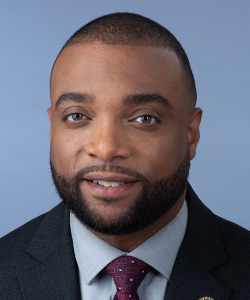
Carl Jackson
Senate · District 8
|
D |
Strong +
|
92% | 95 |
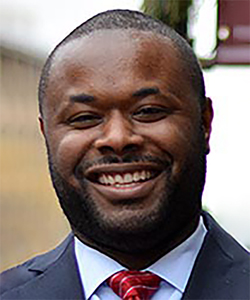
Cory McCray
Senate · District 45
|
D |
Strong +
|
89% | 97 |
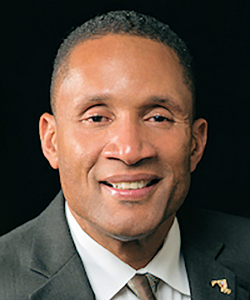
Arthur Ellis
Senate · District 28
|
D |
Strong +
|
88% | 60 |
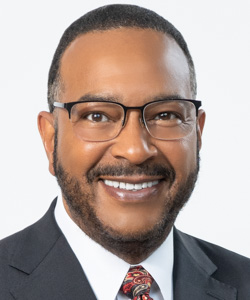
Anthony Muse
Senate · District 26
|
D |
Strong +
|
88% | 65 |

Alonzo Washington
Senate · District 22
|
D |
Strong +
|
87% | 90 |

Jason Gallion
Senate · District 35
|
R |
Oppose
|
27% | 103 |
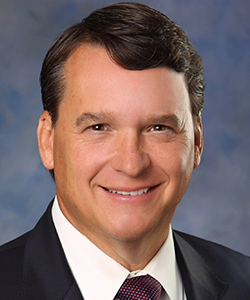
Steve Hershey
Senate · District 36
|
R |
Oppose
|
30% | 96 |

Kathy Szeliga
House · District 7A
|
R |
Oppose
|
30% | 220 |
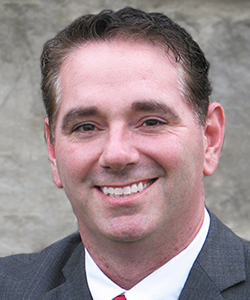
Matt Morgan
House · District 29A
|
R |
Oppose
|
30% | 218 |

Lauren Arikan
House · District 7B
|
R |
Oppose
|
30% | 214 |
Showing 291–300 of 373
bills
All budget & taxes bills
HB 595: Income Tax - Credit for Physician Preceptors in Areas With Health Care Workforce Shortages - Alterations
Topics
✓ Budget & TaxesSupports Budget & TaxesBill creates a $1,000 tax credit per qualifying student rotation for physicians, providing direct tax relief to incentivize healthcare workforce development in underserved areas.
✓ HealthcareSupports HealthcareBill expands tax credit accessibility for physician preceptors in healthcare shortage areas, removing enrollment restrictions and reducing hour requirements to strengthen workforce development in underserved communities.
HB 468: Health and Taxation - Digital Social Media Services and the Mental Health Care Fund for Children and Youth
Topics
✓ Budget & TaxesSupports Budget & TaxesImposes tax on digital social media companies to fund mental health care for children, directly allocating revenue to a public service.
✓ HealthcareSupports HealthcareCreates dedicated fund from social media tax to improve children's mental health care access, directly funding a healthcare service area.
HB 358: Sales and Use Tax - Elementary or Secondary School Book Fairs - Exemption
Topics
✓ Budget & TaxesSupports Budget & TaxesExempts sales tax on school book fairs, directing net proceeds to educational programs, providing tax relief that funds public schools.
✓ EducationSupports EducationExempts sales tax on school book fairs, directing net proceeds to educational programs and student benefits, effectively increasing school funding for educational activities.
SB 58: Property Tax Credit - Retail Service Station Conversions
Topics
✓ Budget & TaxesSupports Budget & TaxesAllows property tax credits for cleanup with 50% state reimbursement, supporting fiscal management through targeted tax relief without net budget loss.
✓ EnvironmentSupports EnvironmentBill directly funds cleanup of soil/water contamination from gas station tanks, advancing pollution remediation and environmental protection.
✓ HousingSupports HousingBill incentivizes residential redevelopment of underutilized gas stations via property tax credits, removing cleanup cost barriers to increase housing supply and development.
SB 235: Baltimore County - Property Tax Credits - Public Safety Officers and Public School System Employees
Topics
✓ Budget & TaxesSupports Budget & TaxesProvides property tax credits for public safety officers and school employees, reducing their tax burden - direct tax relief for public sector workers.
✓ EducationSupports EducationProvides property tax credits to public school employees, directly supporting educators' financial stability and retention.
✓ Labor & EmploymentSupports Labor & EmploymentProvides property tax credits to public safety officers and school employees, reducing living costs as a financial benefit tied to employment.
SB 267: Land Use - Residential Housing - Oversight and Approval (Building Affordably in My Back Yard Act)
Topics
✓ Budget & TaxesSupports Budget & TaxesBill explicitly allows tax/fee reductions for affordable housing projects, providing targeted tax relief aligned with supporting lower-income housing initiatives.
✓ HousingSupports HousingBill increases affordable housing via tax incentives for affordable projects, streamlines approvals, and sets housing production targets to advance development.
HB 560: Sales and Use Tax and Property Tax - Exemptions for Data Centers - Repeal
HB 144: Commercial Law – Fair Pricing and Market Competition Fund – Establishment
Sub-Topics
State Budget
SB 247: Biotechnology Investment Incentive Tax Credit - Conversion to Grant Program
Topics
✓ Budget & TaxesSupports Budget & TaxesConverts tax credit to direct grants, increasing state spending on biotech incentives instead of reducing tax revenue, advancing fiscal support for the sector.
✓ TechnologySupports TechnologyConverts tax credits to direct grants for biotech R&D, funding innovation in biological technologies per bill summary.