

Issue · Budget & Taxes
Budget & Taxes
Every budget & taxes bill, vote, and legislator stance in Maryland, automatically classified by Maddy, our AI policy reader.
Total bills
373
2026 Regular Session
Top supporter
Carl Jackson
92% support rate
Top opponent
Jason Gallion
27% support rate
Ranked legislators
10
5 support · 5 oppose
Key legislators
Who's moving budget & taxes in Maryland
| Legislator | Party | Stance | Support rate | Votes |
|---|---|---|---|---|
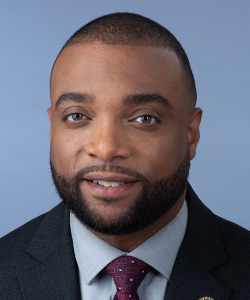
Carl Jackson
Senate · District 8
|
D |
Strong +
|
92% | 95 |

Cory McCray
Senate · District 45
|
D |
Strong +
|
89% | 97 |
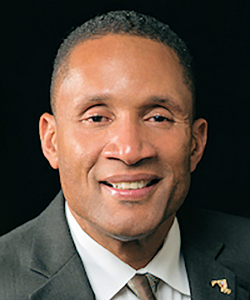
Arthur Ellis
Senate · District 28
|
D |
Strong +
|
88% | 60 |
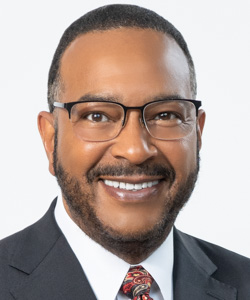
Anthony Muse
Senate · District 26
|
D |
Strong +
|
88% | 65 |

Alonzo Washington
Senate · District 22
|
D |
Strong +
|
87% | 90 |
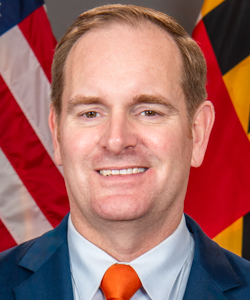
Jason Gallion
Senate · District 35
|
R |
Oppose
|
27% | 103 |
Steve Hershey
Senate · District 36
|
R |
Oppose
|
30% | 96 |

Kathy Szeliga
House · District 7A
|
R |
Oppose
|
30% | 220 |

Matt Morgan
House · District 29A
|
R |
Oppose
|
30% | 218 |

Lauren Arikan
House · District 7B
|
R |
Oppose
|
30% | 214 |
Showing 201–210 of 373
bills
All budget & taxes bills
HB 429: On-Farm Organics Diversion and Recycling Grant Program - Established
Topics
✓ Budget & TaxesSupports Budget & TaxesBill allocates state funds via grants to establish food waste reduction programs, directly increasing government spending on environmental initiatives per budget & taxes definition.
✓ EnvironmentSupports EnvironmentEstablishes grant programs for on-farm composting, food rescue, and waste reduction - directly advancing environmental conservation by diverting organic waste from landfills and promoting resource conservation.
Sub-Topics
Recycling
SB 3: Unemployment Insurance Modernization Act of 2026
Topics
✓ Budget & TaxesSupports Budget & TaxesBill modernizes unemployment tax base (16% of avg annual wage) and benefit calculations (40% of avg weekly wage), promoting fiscal sustainability through annual updates to align with economic conditions.
✓ Labor & EmploymentSupports Labor & EmploymentIncreases max weekly unemployment benefit to 40% of average wage (up from fixed), expanding worker benefits through updated calculation formula.
Sub-Topics
Unemployment
HB 254: Supporting Inclusive Community Adaptation Act
Topics
✓ Budget & TaxesSupports Budget & TaxesCreates new Resilience Through Restoration Capital Grant Fund within state budget, allocating funds for climate resilience projects via state agencies and nonprofits.
✓ EnvironmentSupports EnvironmentCreates grant fund for wetland restoration, green infrastructure, and shoreline protection to reduce climate vulnerabilities and strengthen environmental resilience.
Sub-Topics
Coastal & Flood Protection
HJ 2: United States of America - National Infrastructure Bank
Topics
✓ Budget & TaxesSupports Budget & TaxesBill advocates for federal infrastructure bank funding without new taxes, aligning with fiscal responsibility and avoiding state tax increases for essential infrastructure projects.
✓ HousingSupports HousingBill explicitly lists 'addressing housing shortages' as a key infrastructure need to be resolved by the proposed National Infrastructure Bank, indicating support for funding housing solutions through infrastructure investment.
✓ TransportationSupports TransportationUrges federal funding for transportation infrastructure via National Infrastructure Bank, citing bridge repairs and traffic congestion reduction as key needs.
Sub-Topics
Bridges
HB 512: Anne Arundel County - Board of License Commissioners and Part-Time Inspectors - Compensation
Topics
✓ Budget & TaxesSupports Budget & TaxesIncreases county government spending on employee compensation, directly funding public service roles through mandated salary hikes.
✓ Labor & EmploymentSupports Labor & EmploymentIncreases minimum salaries for county board members and inspectors, directly advancing wage standards for public employees per Labor & Employment indicators.
SB 478: Washington County - Institutions of Higher Education - Dually Enrolled Students
Topics
✓ Budget & TaxesSupports Budget & TaxesBill expands state financial aid eligibility for higher education grants, increasing government spending on education programs for more students.
✓ EducationSupports EducationExpands access to financial aid for homeschool and nonpublic school students in higher education through grant programs
HB 490: Education - The Blueprint for Maryland's Future - Revisions
Topics
✓ Budget & TaxesSupports Budget & TaxesRemoves termination date for Concentration of Poverty Grant funds, ensuring continued state funding for education programs without defunding.
✓ EducationSupports EducationRemoves termination for Concentration of Poverty Grant funds, extends teacher certification deadlines, and continues Blueprint funding streams per bill revisions.
Sub-Topics
Teachers
HB 216: Criminal Law - Benefits Exploitation
Topics
✓ Budget & TaxesSupports Budget & TaxesPrevents fraud in government benefits (Medicare, Medicaid, SNAP), protecting public funds and promoting fiscal responsibility by reducing waste in state spending programs.
✓ VeteransSupports VeteransBill explicitly protects veterans benefits from exploitation, prohibiting illegal appropriation and aiding exploitation with penalties.
HB 3: Higher Education - Student Financial Assistance - Dependents of State or Local Public Safety Employees (Maryland Fallen Heroes Tuition Benefits Act)
Topics
✓ Budget & TaxesSupports Budget & TaxesExempts dependent children from tuition costs, increasing state spending on higher education for public safety families through fiscal allocation.
✓ EducationSupports EducationExempts dependents of fallen public safety employees from out-of-state tuition, expanding higher education access for a specific vulnerable group.
Sub-Topics
Higher Education