

Criminal Law - Benefits Exploitation
HB 216 prohibits individuals from exploiting government benefits through deception, coercion, or exploitation of vulnerable people. It specifically bans recruiting, harboring, transporting, or obtaining others to appropriate their benefits (including Medicare, Medicaid, SNAP, Social Security, and veterans benefits) for personal gain or to benefit others. The law also prohibits financial gain from such exploitation or aiding/abetting these acts, with penalties including up to 25 years in prison or a $15,000 fine. It directly affects benefit recipients - particularly vulnerable populations like disabled or elderly adults - and those who exploit their benefits through threats, false promises, or controlling behavior. The bill takes effect October 1, 2026.
Bill status
signed
all 5 stages cleared
Introduction
Sep 2025
Committee Review
Apr 2026
House of Delegates Passage
Apr 2026
Senate Passage
Apr 2026
Signed into Law
May 2026
Introduced Sep 23, 2025
Signed May 26, 2026
Maddy AI version diff · 1 comparison
What changed between versions
First - Criminal Law - Benefits Exploitation
→
Third - Criminal Law - Benefits Exploitation
·
4 edits
MODERATE
The bill was amended to add new sponsors and update procedural status, while significantly restructuring the penalties for benefits exploitation based on the value of funds involved. The most important change is the introduction of a tiered sentencing system that adjusts prison terms and fines depending on whether the stolen benefits are under $1,500, between $1,500 and $25,000, or over $25,000. Additionally, the definition of 'coercion' was clarified to include threatening to expose victims to criminal or immigration proceedings.
Scope change
The bill now applies penalties based on the aggregate value of government benefits involved, creating three distinct tiers of criminal charges (misdemeanor or felony) with varying maximum prison sentences and fines.
ENFORCEMENT
Introduced a tiered penalty structure where the severity of the crime (misdemeanor vs. felony) and the maximum prison sentence depend on the dollar amount of benefits exploited, ranging from up to 1 year for small amounts to up to 10 years for large amounts.
DEFINITION
Expanded the definition of 'coercion' to explicitly include threatening to expose an individual to criminal or immigration proceedings, hatred, contempt, or ridicule.
TECHNICAL
Added several new sponsors to the bill, including Cardin, Phillips, Stinnett, Simmons, McComas, Moreno, Arikan, Taylor, Simpson, Moon, Conaway, and Woods.
Updated the bill's procedural history to reflect that it was adopted by the House, read the second time, and reported favorably with amendments.
Floor votes · Senate Mar 20, 2026 · House of Delegates Mar 8, 2026
How they voted
46–0
Passed · 3 other
Total votes 49
Mar 20, 2026
D
Democratic36
91% Yea
R
Republican13
100% Yea
Vote distribution
All Yea
All Nay
Mixed
No data
Full legislative history
Actions timeline
Total actions
15
Key actions
9
Committee
6
May 26, 2026
Signed into law
Approved by the Governor - Chapter 662
executive
Apr 9, 2026
Lower · Passed
Returned Passed
lower
Apr 8, 2026
Upper · Passed
Third Reading Passed
upper
Apr 7, 2026
Upper · Passed
Favorable Adopted
upper
Apr 6, 2026
Upper · Passed
Favorable Report by Judicial Proceedings
upper
Mar 23, 2026
Committee
Referred Judicial Proceedings
upper
Mar 20, 2026
Lower · Passed
Third Reading Passed
lower
Mar 19, 2026
Lower · Passed
Favorable with Amendments {
lower
Mar 19, 2026
Lower · Passed
Favorable with Amendments Report by Judiciary
lower
Mar 8, 2026
House Of Delegates · Passed
House of Delegates Vote: pass (132-0-10)
house of delegates
Jan 14, 2026
Committee
First Reading Judiciary
lower
Sep 23, 2025
Introduced
Pre-filed
lower
17 primary · 0 co-sponsors
Sponsors
Role
Legislator
Party
State
District
P

Aaron Kaufman
DDemocratic
P

Chris Tomlinson
RRepublican
P

David Moon
DDemocratic
P
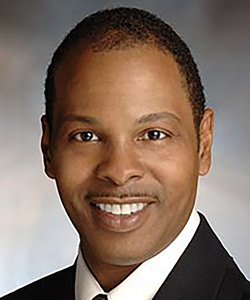
Frank Conaway
DDemocratic
P
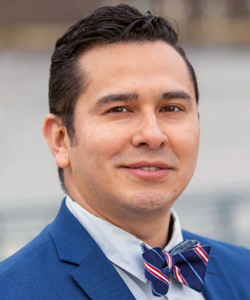
Gabriel Moreno
DDemocratic
P
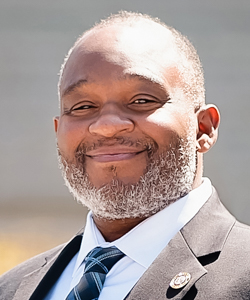
Gary Simmons
DDemocratic
P

Jamila Woods
DDemocratic
P

Jessica Feldmark
DDemocratic
P
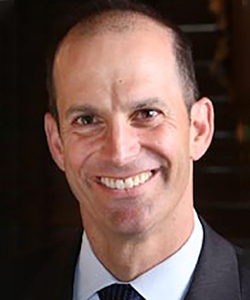
Jon Cardin
DDemocratic
P
JP
Joseline Peña-Melnyk
DDemocratic
P

Karen Simpson
DDemocratic
P
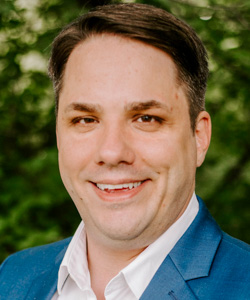
Kris Fair
DDemocratic
P
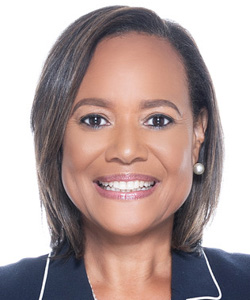
Kym Taylor
DDemocratic
P
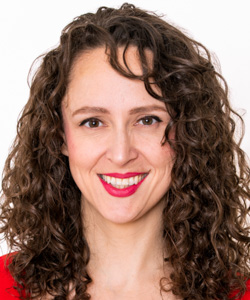
Lauren Arikan
RRepublican
P

Scott Phillips
DDemocratic
P

Sean Stinnett
DDemocratic
P

Susan McComas
RRepublican
Ask Maddy
·
AI policy assistant
Ask Maddy about HB 216
Scope: MD
Hi! I can help you understand HB 216. What would you like to know?
Try one of these
i
Maddy answers using official bill text and legislative records. Always verify before sharing.
Sources cited inline