Issue · Budget & Taxes

Budget & Taxes

Every budget & taxes bill, vote, and legislator stance in Maryland, automatically classified by Maddy, our AI policy reader.

Total bills
35
119th Congress
Top supporter
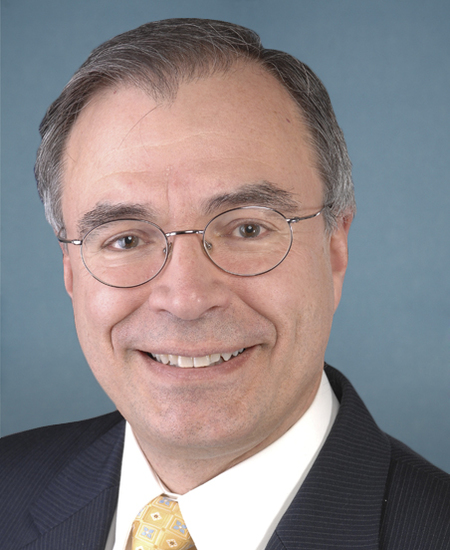
Andy Harris
73% support rate
Top opponent
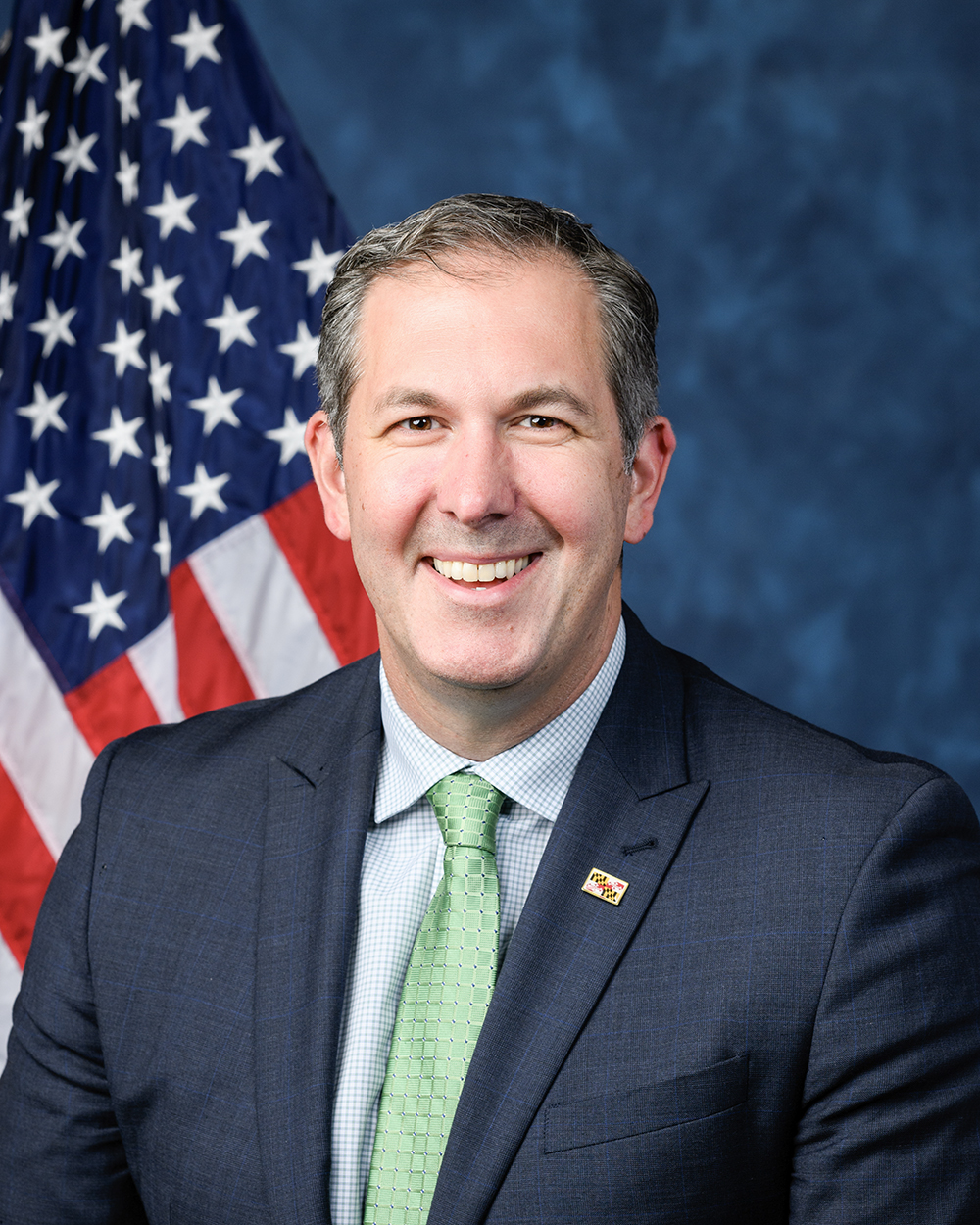
Johnny Olszewski, Jr.
18% support rate
Ranked legislators
8
3 support · 5 oppose
Key legislators

Who's moving budget & taxes in Maryland

Legislators moving budget & taxes in Maryland
Legislator Party Stance Support rate Votes
Andy Harris
Andy Harris House · District 1
R
Support
73% 178
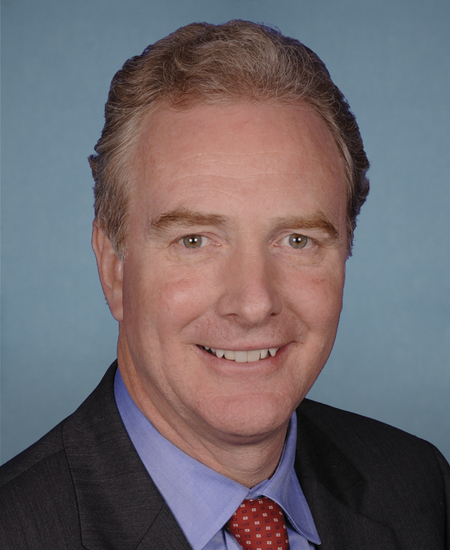
Chris Van Hollen
Chris Van Hollen Senate
D
Support
69% 274
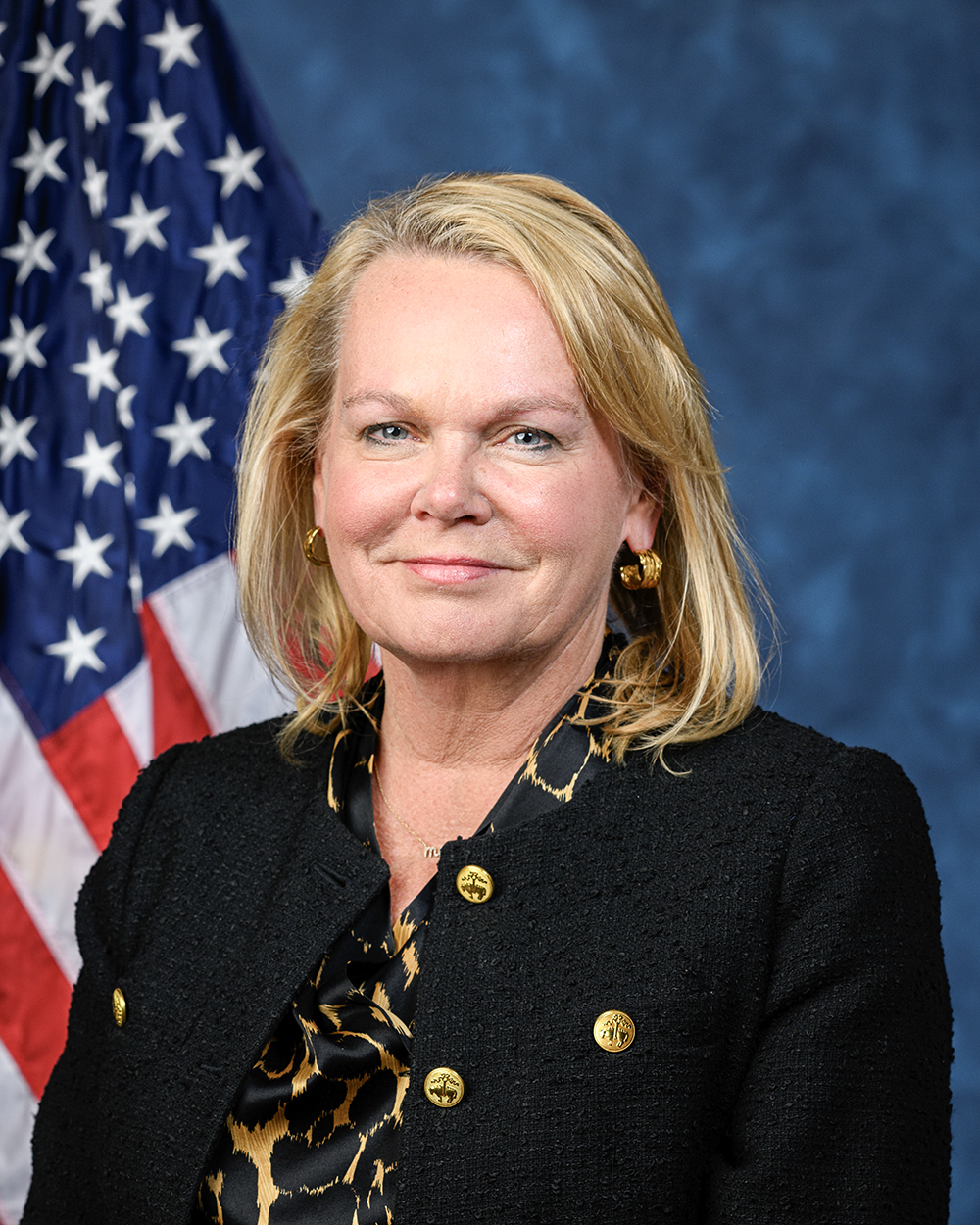
Angela D. Alsobrooks
Angela D. Alsobrooks Senate
D
Support
65% 273
Johnny Olszewski, Jr.
Johnny Olszewski, Jr. House · District 2
D
Strong −
18% 185
Sarah Elfreth
Sarah Elfreth House · District 3
D
Strong −
18% 185
April McClain Delaney
April McClain Delaney House · District 6
D
Strong −
18% 182
Steny H. Hoyer
Steny H. Hoyer House · District 5
D
Strong −
18% 185
Glenn Ivey
Glenn Ivey House · District 4
D
Strong −
19% 186
Showing 1–10 of 35 bills

All budget & taxes bills

in committee · United States · House Sep 10, 2026

HR 10330: Higher Education Oversight for Nonprofits Ensuring Standards and Transparency Act

This bill establishes new procedural safeguards for the Internal Revenue Service when conducting tax inquiries or examinations of universities, requiring high-level Treasury approval based on reasonable belief that a university may not qualify for tax-exempt status. It mandates that the IRS provide written notice to the institution before beginning an inquiry and at least 15 days before starting a formal examination, offering the university the opportunity to hold a conference to discuss concerns. The legislation imposes strict time limits, requiring inquiries to be completed within 90 days and examinations within two years, while also restricting the ability to re-examine a university for five years if no significant tax issues are found. Additionally, it requires the Secretary of the Treasury to submit confidential reports to congressional committees detailing any new university tax investigations.
in committee · United States · Senate Jun 16, 2026

S 4791: A bill to abolish the Anti-Weaponization Fund, and for other purposes.

This bill abolishes the Anti-Weaponization Fund, a financial reserve created by the Attorney General during the Trump v. Internal Revenue Service legal case. It also declares an order issued on May 19, 2026, regarding the release of certain claims as invalid and without effect. The legislation directly impacts the Department of Justice by removing this specific fund and reversing the associated administrative directive.
in committee · United States · Senate Jun 16, 2026

S 4796: Stock Buyback Accountability Act of 2026

The Stock Buyback Accountability Act of 2026 raises the federal excise tax on corporate stock repurchases from 1 percent to 4 percent, directly affecting corporations that buy back their own shares. This change also modifies existing tax rules to exclude stock issued to high-income executives and employees earning over $1 million from the tax calculation. The new provisions apply to stock repurchases occurring after the law is enacted, with specific transition rules for partial-year transactions, while the adjustments to tax exemptions take effect for taxable years ending more than 90 days after enactment.
Sub-Topics Sales Tax
in committee · United States · House Jun 11, 2026

HR 9289: Keep Public Funds in Public Schools Act of 2026

The Keep Public Funds in Public Schools Act of 2026 eliminates a federal tax credit that allowed parents to deduct contributions to scholarship granting organizations from their income. By removing these specific tax breaks, the bill prevents the use of public tax dollars to support private school vouchers and scholarship programs. This change directly affects families who currently rely on these tax incentives to fund education outside the public school system. The provisions take effect for taxable years beginning after December 31, 2026.
in committee · United States · Senate Jun 2, 2026

S 4657: Modern, Clean, and Safe Trucks Act of 2026

The Modern, Clean, and Safe Trucks Act of 2026 repeals the 12 percent federal excise tax on new heavy trucks, tractors, and trailers. By removing this tax, the bill aims to lower the purchase price of these vehicles and encourage the replacement of older, less efficient models with newer, cleaner technology. The legislation directly affects truck manufacturers, dealerships, and fleet operators by eliminating a specific line item in the Internal Revenue Code that currently applies to the first retail sale of these items. Additionally, the act includes technical amendments to related tax sections to ensure consistency after the main tax is removed.
in committee · United States · Senate May 12, 2026

S 4490: Fair Trusts for Fiscal Responsibility Act

This bill introduces a new annual tax on the total value of assets held in certain trusts, requiring owners to file detailed reports of trust holdings and beneficiary interests. The tax is calculated using a progressive rate structure that ranges from 1% to 3%, with specific thresholds that are adjusted for inflation starting in 2027. To offset this new liability, the legislation creates a "trust withholding credit account" that allows beneficiaries to claim credits against future estate and generation-skipping transfer taxes based on the taxes paid by the trust. Additionally, the bill modifies rules for grantor trusts by treating payments made by grantors to cover trust taxes as taxable gifts, while simultaneously denying any tax deductions for those payments.
in committee · United States · House Jan 15, 2025

HR 422: No Subsidies for Wealthy Universities Act

HR 422, the "No Subsidies for Wealthy Universities Act," limits how federal research funds can cover indirect costs (like administrative expenses) at universities with large endowments. It prohibits institutions with endowments over $5 billion from using any federal research funds for indirect costs, caps indirect costs at 8% for those with $2-5 billion in endowments, and sets a 15% cap for all other institutions. The bill requires annual collection of endowment data by the National Center for Education Statistics and mandates public reporting of how indirect costs are used. It directly affects research funding for the wealthiest universities, reducing federal support for their administrative operations. The policy applies to new federal research awards starting one year after enactment.
Sub-Topics Higher Education
in committee · United States · House Jan 9, 2025

HR 254: American Science First Act

HR 254, the American Science First Act, prohibits the National Science Foundation (NSF) from providing grants or funding to any entity affiliated with Chinese military-linked companies listed in U.S. government sanctions. It directly affects Chinese entities on specific federal lists, including those tied to military ownership or control, as defined by Export Administration Regulations and prior defense authorization acts. The bill’s key mechanism blocks NSF funding for research partnerships, joint ventures, or contracts involving these listed companies or their affiliates. This policy change restricts federal science funding access for targeted Chinese military-connected entities without altering broader NSF grant eligibility.
in committee · United States · House Mar 5, 2026

HR 7817: No Federal Tax Dollars for Illegal Aliens Health Insurance Act of 2026

This bill, titled the No Federal Tax Dollars for Illegal Aliens Health Insurance Act of 2026, amends the Affordable Care Act to restrict the use of federal taxpayer funds for health insurance coverage. It directly affects states that receive funding under the ACA and individuals seeking health insurance coverage through federal programs. The key provision prohibits states from using pass-through funding to pay for health insurance or related benefits for individuals who are not U.S. citizens, nationals, or lawfully present aliens. Additionally, the bill requires the Secretary of Health and Human Services to rescind any existing waivers that would have allowed such funding for unauthorized individuals had the new restrictions been in place at the time of approval.
in committee · United States · Senate Mar 10, 2026

S 4038: Small Business Liberation 2.0 Act

This bill, titled the Small Business Liberation 2.0 Act, exempts small businesses from import duties imposed under Section 122 of the Trade Act of 1974 and requires refunds of any such duties already paid by small businesses. It also prohibits companies from raising prices on affected goods by more than the cost of the duties themselves during a five-year period following duty implementation. The Federal Trade Commission would enforce these rules, with state attorneys general allowed to bring civil actions against violators, while small businesses remain exempt from the price gouging restrictions.
Tags Small Business
Showing 1 to 10 of 35 bills
1 2 3 4 Next