Issue · Environment

Environment

Every environment bill, vote, and legislator stance in Maine, automatically classified by Maddy, our AI policy reader.

Total bills
150
132nd Legislature (2025-2026)
Top supporter
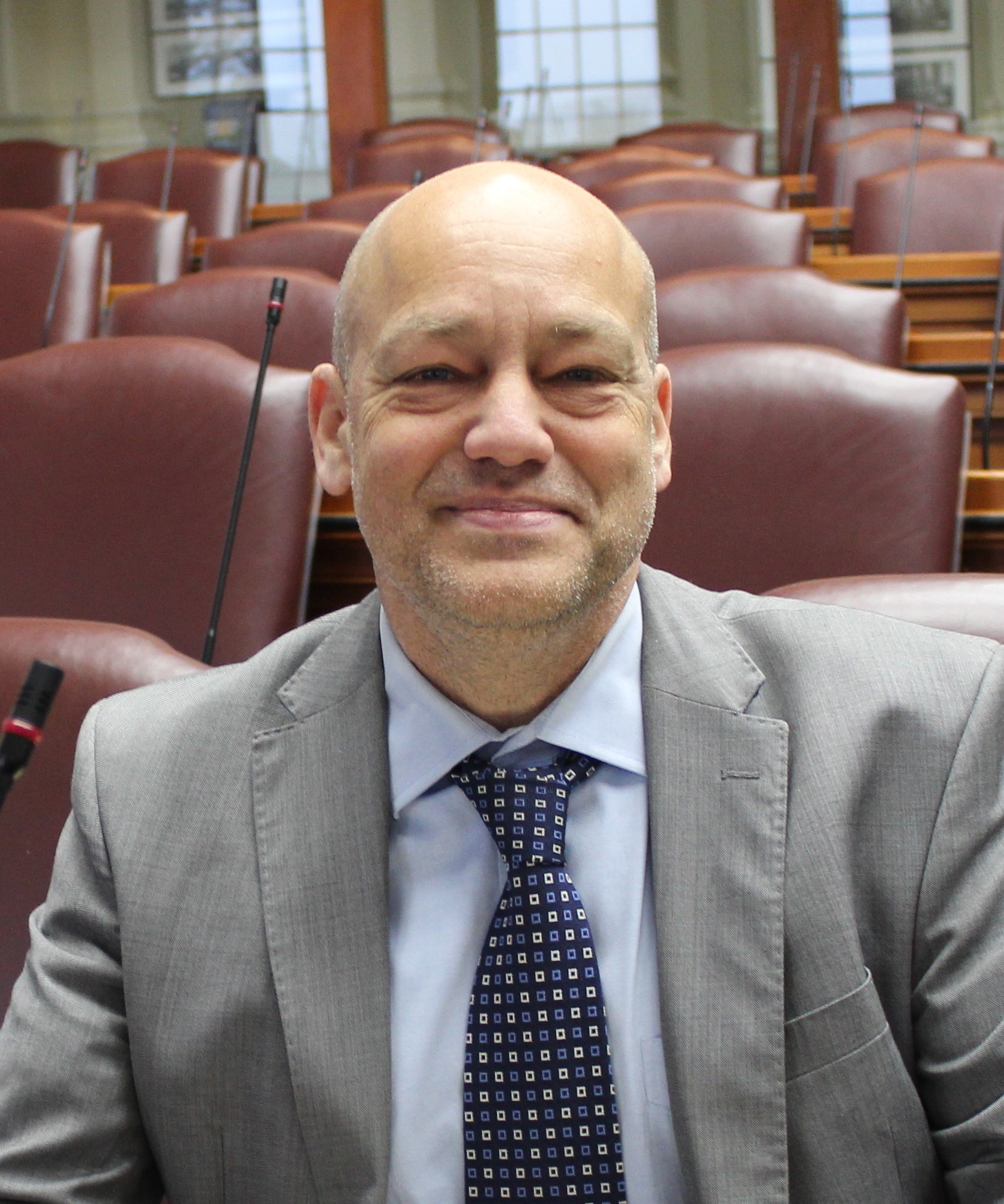
David Sinclair
88% support rate
Top opponent
Abigail Griffin
6% support rate
Ranked legislators
10
5 support · 5 oppose
Key legislators

Who's moving environment in Maine

Legislators moving environment in Maine
Legislator Party Stance Support rate Votes
David Sinclair
David Sinclair House · District 50
D
Strong +
88% 90
Holly Eaton
Holly Eaton House · District 15
D
Strong +
87% 51
Lydia Crafts
Lydia Crafts House · District 46
D
Strong +
86% 89
Holly Stover
Holly Stover House · District 48
D
Strong +
86% 85
Michele Meyer
Michele Meyer House · District 150
D
Strong +
85% 92
Abigail Griffin
Abigail Griffin House · District 34
R
Strong −
6% 24
Jeff Adams
Jeff Adams House · District 144
R
Strong −
13% 69
Sheila Lyman
Sheila Lyman House · District 76
R
Strong −
15% 81
Joseph Underwood
Joseph Underwood House · District 5
R
Strong −
16% 50
Irene Gifford
Irene Gifford House · District 28
R
Strong −
19% 87
Showing 121–130 of 150 bills

All environment bills

signed · Maine · House Jun 22, 2025

LD 1596: An Act To Support Maine'S Sea Farmers

LD 1596 defines three types of aquaculture operations in Maine: "bottom operations" (gear on the ocean floor), "submerged operations" (gear suspended below surface), and "surface operations" (gear floating on surface). It requires environmental evaluations of lease sites before approval, including bottom characteristics, local flora, fauna, and water conditions. The bill directly affects shellfish and seaweed farmers seeking state leases by clarifying operational rules and adding site assessment requirements. This creates standardized definitions for managing aquaculture activities while ensuring environmental considerations are part of lease decisions.
signed · Maine · Senate Jun 17, 2025

LD 1793: An Act To Improve Management And Reduce The Volume Of Solid Waste

This bill amends Maine's solid waste management laws to reduce waste volume and improve environmental outcomes. It creates a Waste Solutions Task Force to develop cost-effective waste reduction strategies, review state waste management plans, and recommend solutions for municipalities, with reports due by January 15, 2027. Starting January 1, 2026, waste facility license applicants must include community engagement plans and waste reduction strategies in their applications, while licensees must annually report aggregated waste data (origin, volume, disposal) publicly online. The bill directly affects waste facilities, municipalities, and communities by requiring new transparency and collaborative planning in waste management.
signed · Maine · Senate Jun 3, 2025

LD 121: An Act To Include Brush And Yard Debris In The Definition Of "Litter"

This bill amends Maine's Litter Control Act by explicitly adding "brush" and "yard debris" to the legal definition of "litter" in state law. The change expands the scope of materials considered litter under the law, which previously included items like bottles, cans, and garbage but excluded yard waste. The amendment applies to all existing provisions of the Litter Control Act, meaning activities involving improper disposal of these materials could now be addressed under the same legal framework. This is a technical update to the definition, not a new enforcement mechanism or penalty. The bill does not alter existing penalties or create new requirements for residents or municipalities.
failed · Maine · Senate Jun 2, 2025

LD 115: An Act To Assess Impact Fees On Megayachts

This bill imposes an impact fee on megayachts - privately owned pleasure vessels 150 feet or longer (excluding commercial, military, or academic vessels) - in Maine municipalities that charge slip fees for docking. The fee is $10 per foot over 150 feet per day, up to 30 consecutive days, with municipalities keeping 10% and sending the rest to the Megayacht Fund. The fund must distribute 50% of its revenue to municipalities for harbor and sea level rise mitigation infrastructure, and 50% to public transit infrastructure like ferries and land-based transit. The policy directly affects megayacht owners in participating municipalities and aims to fund infrastructure improvements.
signed · Maine · House May 29, 2025

LD 228: An Act To Allow Coastal Seawalls To Be Raised By Up To 2 Feet In Order To Accommodate Predicted Sea Level Rise

LD 228 amends Maine's Natural Resources Protection Act to allow the Department of Environmental Protection to approve a one-time 2-foot height increase for existing coastal seawalls in sand dune systems. This applies to seawalls already in place as of January 1, 2025, provided the increase meets all other department requirements. The bill also permits a similar 2-foot height allowance when replacing seawalls destroyed or threatened by storms. It directly affects coastal property owners and municipalities seeking to adapt existing infrastructure to rising sea levels and increased storm impacts.
signed · Maine · House Apr 25, 2025

LD 750: Resolve, Regarding Legislative Review Of Portions Of Chapter 27: Standards For Timber Harvesting And Timber Harvesting Related Activities Within Unorganized And Deorganized Areas Of The State, A Major Substantive Rule Of The Department Of Agriculture, Conservation And Forestry, Bureau Of Forestry

This resolve authorizes Maine's Legislature to finalize specific portions of forestry rules governing timber harvesting in unorganized and deorganized areas (regions without established town governance). It allows the Department of Agriculture, Conservation and Forestry to implement these standards after completing required legislative review under state law. The rules directly affect timber harvesting operations in these rural, less-governed areas across Maine. The action is procedural, enabling the agency to move forward with the standards that were submitted for legislative review.
Sub-Topics Forestry
signed · Maine · Senate May 23, 2025

LD 26: An Act To Add An Inflation Adjustment To The Maximum Amount Of Funding Disbursed From The Maine Ground And Surface Waters Clean-Up And Response Fund For Certain Personal Services Of The Department Of Environmental Protection

LD 26 amends Maine law to adjust the $7 million annual funding cap for personal services provided by the Department of Environmental Protection (DEP) from the Ground and Surface Waters Clean-Up and Response Fund. The bill requires this cap to increase each year based on the Consumer Price Index (CPI), the standard measure of inflation published by the U.S. Bureau of Labor Statistics. This change ensures the funding level keeps pace with rising costs without needing annual legislative action. The adjustment directly affects the DEP's budget for administrative and enforcement activities related to water protection programs.
failed · Maine · Senate Jan 7, 2026

LD 694: An Act To Require Petitions For Interstate Transmission Lines To Include Provisions For Conservation Funding

LD 694 requires developers seeking approval for high-impact interstate electric transmission lines in Maine to include specific conservation funding in their petitions. The bill mandates an annual payment of $10,000 per megawatt of the line's capacity to Maine's Land for Maine's Future Trust Fund, with at least 20% directed to the Conservation Land Management Fund. This applies directly to transmission line developers submitting petitions to the Public Utilities Commission for project approval. The law aims to tie infrastructure development to ongoing conservation funding, without altering the commission's approval process for the lines themselves.
failed · Maine · House Apr 10, 2025

LD 495: An Act To Require Rules Designed To Reduce Climate Change To Include Estimates Of The Reduction In Adverse Climate Effects And Of The Cost To Consumers

LD 495 requires Maine's Department of Environmental Protection to include two specific estimates when adopting rules designed to reduce greenhouse gas emissions. The first estimate must quantify the level of adverse climate effects (such as extreme weather or sea-level rise) that will be prevented by the emission reductions. The second estimate must detail the costs to consumers, including impacts on prices for gasoline, diesel, electricity, heating oil, and propane. This bill aims to provide transparency about the trade-offs between climate benefits and economic impacts for public review.
Sub-Topics Climate Change
failed · Maine · House May 20, 2025

LD 1808: An Act To Enact The Maine Climate Superfund Act

LD 1808, the Maine Climate Superfund Act, requires entities that extracted or refined fossil fuels (like coal, oil, or natural gas) during 2000-2024 to pay for climate adaptation projects through a new cost recovery program. It targets corporations and other organizations (defined as "entities") that owned fossil fuel businesses during that period, including those in a "controlled group" treated as a single entity. Funds collected will be used for specific climate adaptation projects, such as flood protections, infrastructure upgrades, health programs for climate-related illnesses, and nature-based solutions like restoring natural landscapes. The program establishes a "Climate Superfund Cost Recovery Program" to collect payments based on covered greenhouse gas emissions from fossil fuel use during the specified period.
Showing 121 to 130 of 150 bills
Previous 1 12 13 14 15 Next