

Maddy summaryThis bill establishes a new Office of Small Farms within the USDA's farm production and conservation mission area to better serve small agricultural operations. It defines "small farm, ranch, or forest operation" as those under 180 acres or with less than $350,000 annual income, directly affecting these operators. Key provisions include creating a Director to coordinate USDA programs, reviewing barriers to participation, developing new initiatives (including $25,000 grants for repairs, land access, or conservation), and requiring State coordinators in each state to improve local program delivery. The bill authorizes $15 million annually for the Office's administration and $10 million for grants/technical assistance from 2027-2031, with annual reports to Congress on progress.
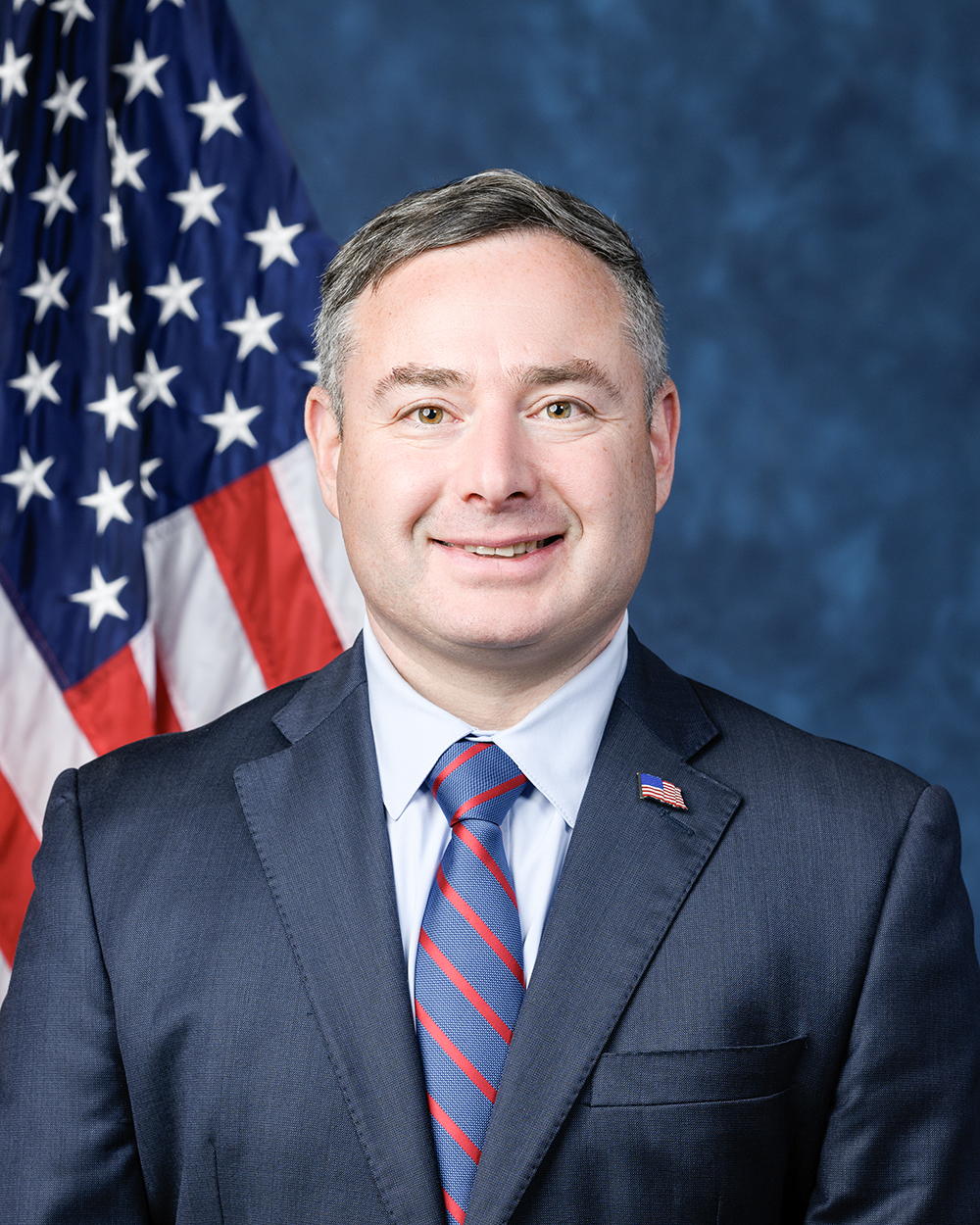
Rep. Eugene Simon Vindman
Sponsored bills
Maddy summaryThis bill amends the Food and Nutrition Act of 2008 to exempt veterans from work requirements when applying for SNAP (Supplemental Nutrition Assistance Program) benefits. It directly affects veterans who would otherwise face work requirements for SNAP eligibility. The key change adds "a veteran" as a specific exemption category in Section 6(o)(3), updating the existing list of exempt groups. This creates a clear, automatic exemption for veterans under current law, removing a barrier to accessing food assistance.
Maddy summaryHR 7251, the "Prohibit Partisan Park Passes Act," amends federal law to prevent the use of living political figures on National Park Service and federal recreational lands passes. The bill specifically prohibits including images of current or former elected officials or other living political figures on these passes. This change directly affects the National Park Service, which issues the passes, and ensures the design remains neutral. The law modifies existing regulations under the Federal Lands Recreation Enhancement Act to remove partisan imagery from these commonly used visitor passes.
Maddy summaryThe Energy Bills Relief Act aims to lower household energy costs and accelerate the development of low-cost, clean energy by modifying federal tax credits, expanding weatherization programs, and streamlining permitting processes. Key provisions include restoring tax incentives for renewable energy projects, increasing funding for low-income heating assistance, and requiring federal agencies to treat wind, solar, and storage projects with the same procedural fairness as oil and gas projects. The bill also establishes new incentives for upgrading the electricity grid, such as tax credits for transmission lines and grants for wildfire prevention measures, while creating mechanisms to ensure utilities serve public interests and protect consumers from price volatility.
Maddy summaryThis bill requires the Department of Veterans Affairs (VA) to cover abortion care, counseling, and related medication as part of standard hospital and medical services for eligible veterans and certain dependents. It amends VA healthcare law to explicitly include these services under existing coverage for veterans qualifying under section 1703 and dependents eligible under section 1781(a). The policy directly affects veterans and their dependents enrolled in VA healthcare programs by expanding covered benefits to include abortion-related care. This is a concrete policy change to VA healthcare benefits, not a broader abortion law.
Maddy summaryThe Fiscal Contingency Preparedness Act (HR 4642) requires the Treasury Secretary and OMB Director to annually examine how the federal government would respond to major crises like recessions, pandemics, natural disasters, or cyberattacks, including their short- and long-term fiscal impacts. It mandates these assessments be included in an existing annual report and specifies key crisis types to evaluate. The Government Accountability Office (GAO) must then review the methodology and results of these assessments within one year of the first report. The bill directly affects federal agencies responsible for fiscal planning (Treasury and OMB) but does not create new spending or alter existing programs. It focuses solely on improving preparedness through structured risk analysis.
Maddy summaryThis bill requires federal agencies to clarify how they recognize special districts (like water, fire, or school districts operating separately from cities or counties) as eligible for federal grants. It mandates the OMB Director to issue guidance within 180 days, directing agencies to adopt this standard within one year for all federal financial assistance programs. The bill ensures special districts - defined as state-created entities with budgetary autonomy for specific services - can consistently access existing federal funding they currently face barriers to. A report on agency implementation must be submitted to Congress two years after enactment.
Governing Unaccredited Representatives Defrauding VA Benefits Act or the GUARD VA Benefits Act This bill imposes fines on individuals for soliciting, contracting for, charging, or receiving any unauthorized fee or compensation with respect to the preparation, presentation, or prosecution of any claim for Department of Veterans Affairs benefits. The attempted commission of such offenses is also punishable by fine.
Maddy summaryThis bill directs the Director of National Intelligence to conduct a comprehensive assessment of how the Chinese Communist Party has used foreign malign influence activities outside the United States since January 1, 2023. The assessment must examine impacts on U.S. alliances, regional perceptions, financial systems, and overall national security interests in key areas including the Indo-Pacific, Africa, Latin America, and Europe. The intelligence community must submit an initial report within 90 days and a final report within 180 days to designated congressional committees, with reports provided in unclassified form that may include a classified annex.
Maddy summaryThis bill exempts H-1B visa holders working in healthcare from a presidential restriction that requires a $100,000 payment for entry into the United States. It directly affects foreign medical professionals and healthcare workers who hold H-1B nonimmigrant visas. The legislation removes the additional fee requirement for these workers while limiting any fees that may be charged to the standard amount already established under immigration law. The bill defines healthcare workers using the existing definition from the Affordable Care Act and was introduced in the 119th Congress in March 2026.