Issue · Labor & Employment

Labor & Employment

Every labor & employment bill, vote, and legislator stance in Kentucky, automatically classified by Maddy, our AI policy reader.

Total bills
100
119th Congress
Top supporter
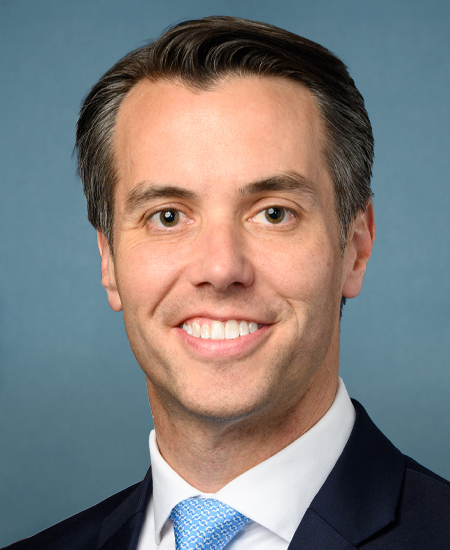
Morgan McGarvey
58% support rate
Top opponent
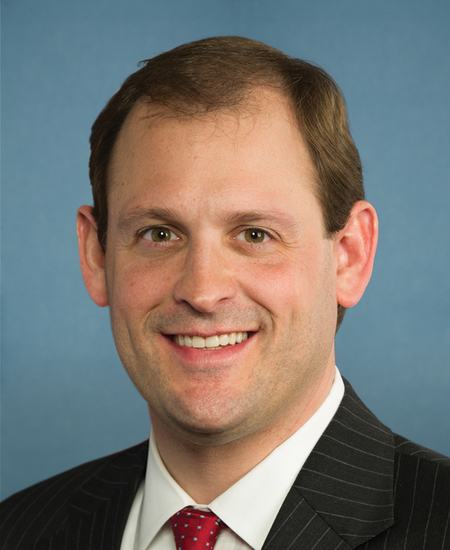
Andy Barr
36% support rate
Ranked legislators
6
1 support · 5 oppose
Key legislators

Who's moving labor & employment in Kentucky

Legislators moving labor & employment in Kentucky
Legislator Party Stance Support rate Votes
Morgan McGarvey
Morgan McGarvey House · District 3
D
Mixed
58% 197
Andy Barr
Andy Barr House · District 6
R
Oppose
36% 184
Harold Rogers
Harold Rogers House · District 5
R
Oppose
38% 194
Thomas Massie
Thomas Massie House · District 4
R
Oppose
38% 192
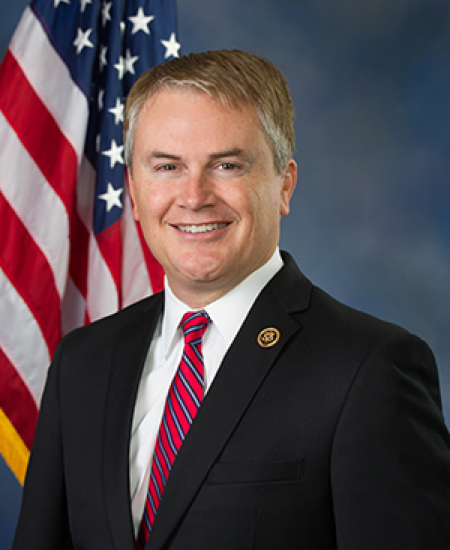
James Comer
James Comer House · District 1
R
Oppose
38% 192
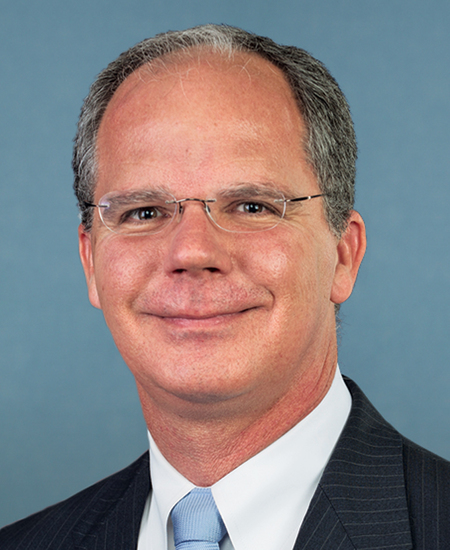
Brett Guthrie
Brett Guthrie House · District 2
R
Oppose
38% 198
Showing 1–10 of 100 bills

All labor & employment bills

in committee · United States · House Aug 10, 2026

HR 10070: Border Patrol Overtime Parity Act

The Border Patrol Overtime Parity Act amends federal law to expand eligibility for special overtime pay rates for U.S. Border Patrol agents. Currently, these higher pay rates are restricted to agents occupying positions at the GS-12 grade level or above. By removing this specific grade requirement from the statute, the bill allows agents in lower-grade positions to qualify for the same overtime compensation. This change directly affects Border Patrol officers by broadening the group of employees who can receive additional pay for working beyond standard hours.
Sub-Topics Labor Standards
in committee · United States · House Jul 23, 2026

HR 9943: Businessowner Immigration Rights and Responsibilities Information Act of 2026

This bill directs the Small Business Administration to create educational resources for small business owners and employees regarding their rights and responsibilities during immigration enforcement actions. The SBA must develop online modules, a physical card, and planning guides that explain how to respond to searches or arrests, including the constitutional right to remain silent and consult a lawyer. These materials will be made available in English and the 15 most commonly spoken languages in the U.S., with content reviewed by legal experts and government agencies to ensure accuracy.
Sub-Topics Detention Immigrant Services Enforcement Tags Small Business
in committee · United States · House Jul 13, 2026

HRES 1427: Expressing support for the designation of July 10th as Journeyman Lineworkers Recognition Day.

This resolution expresses support for designating July 10th as Journeyman Lineworkers Recognition Day to honor the workers who maintain the nation's electrical grid. The bill specifically recognizes the dangerous conditions these employees face, such as working at heights near live power lines and responding to disasters like hurricanes and wildfires. It also commemorates Henry Miller, the first president of the International Brotherhood of Electrical Workers, who died on July 10, 1896, while performing his duties. Ultimately, the measure encourages the public to observe this day with reflection on the contributions of lineworkers.
Sub-Topics Apprenticeships
in committee · United States · House Jul 21, 2026

HCONRES 114: Recognizing the significance of equal pay and the disparity in wages paid to men and to Black women.

This concurrent resolution formally recognizes the persistent wage gap between Black women and white, non-Hispanic men in the United States. It highlights data showing that Black women earn significantly less than their male counterparts and reaffirms Congress's support for existing laws that prohibit pay discrimination based on sex or race. The document does not create new laws or change policy but serves as a symbolic statement to raise awareness about the economic disparities faced by Black women.
in committee · United States · House Jun 30, 2026

HR 9535: Securing Agriculture's Workforce Act of 2026

The Securing Agriculture's Workforce Act of 2026 modernizes the H-2A visa program by transferring administrative authority to the Department of Homeland Security and introducing a unified online platform to streamline applications for employers and workers. Key provisions include establishing new housing standards with mandatory inspections, creating a system for staggered worker entry and exit, and allowing workers to transfer between employers without losing their status. The bill also defines specific job classifications for wage calculations, expands the scope of covered agricultural activities, and provides legal protections for employers who document the employment of workers seeking visa status. Additionally, it requires agencies to develop a heat illness prevention plan and allows for contract termination due to natural disasters.
in committee · United States · House Jun 30, 2026

HR 9556: Support Our Miners Act

The Support Our Miners Act updates the monthly disability payments for coal miners suffering from black lung disease to better reflect current living costs. It establishes a new base payment of $1,252.50 per month starting in 2026, which will then increase annually based on inflation data published by the Bureau of Labor Statistics. This legislation directly affects thousands of miners and their families who rely on these benefits for healthcare and financial support, aiming to close the gap between the original 1969 benefit amount and today's economic reality.
in committee · United States · House May 21, 2026

HR 8956: Border Patrol Supervisors Retention Act

The Border Patrol Supervisors Retention Act modifies federal overtime pay rules to include supervisors within the U.S. Border Patrol. Specifically, it expands eligibility for higher rates of regularly scheduled overtime pay to agents classified at grades GS-12 through GS-15, rather than limiting it to only those at the GS-12 level. This change directly affects supervisory staff who currently manage border operations and ensures they receive the same overtime compensation as their lower-grade counterparts. By updating the relevant section of the U.S. Code, the bill aims to standardize pay structures for these specific roles without altering other aspects of their employment or duties.
Sub-Topics Labor Standards
in committee · United States · House May 20, 2026

HR 8925: Job Corps and Skilled Defense Workforce Act

This bill directs the Department of Defense to connect military recruits who cannot enlist with the Job Corps program for training in skilled industrial jobs within the defense industry. It expands specific workforce incentives to include Job Corps centers and gives local operators more flexibility to hire staff, partner with educational institutions, and manage their programs without waiting for federal approval. The legislation also updates rules to allow Job Corps centers to accept cash donations and grants more easily while streamlining enrollment for veterans and active-duty service members. Overall, the act aims to reduce shortages of skilled workers in defense manufacturing by aligning Job Corps training with the needs of the defense industrial base.
in committee · United States · House Mar 25, 2026

HR 8089: Perinatal Workforce Act

The Perinatal Workforce Act directs the Department of Health and Human Services to issue guidance encouraging hospitals, insurers, and maternity care providers to recruit and retain diverse healthcare professionals, including midwives, physician assistants, and perinatal health workers, while incorporating implicit bias and racism training into their practices. The bill authorizes $15 million annually from 2027 to 2031 for grants that establish or expand accredited education programs for perinatal health professionals, prioritizing schools that recruit students from racial and ethnic minority groups and those planning to practice in areas with maternal health disparities. Additionally, the legislation creates a separate grant program for nursing schools to provide scholarships to students pursuing careers in maternal and perinatal health, with similar diversity and training requirements. The act also requires the Secretary of HHS to conduct a study on respectful maternity care practices and mandates periodic reports from the Government Accountability Office on barriers to maternal health education and access to care.
in committee · United States · House May 29, 2025

HR 3644: Menstrual Equity For All Act of 2025

The Menstrual Equity For All Act of 2025 requires schools, colleges, correctional facilities, and federal buildings to provide free menstrual products to those who need them. It makes menstrual products covered by Medicaid, prohibits states from taxing these products, and creates grant programs to support low-income individuals. Key provisions include mandating free products in educational settings, requiring employers with 100+ employees to provide them, and expanding Medicaid coverage for these items. The bill directly affects students, incarcerated individuals, homeless people, Medicaid beneficiaries, and low-income families by addressing period poverty through concrete access requirements.
Showing 1 to 10 of 100 bills
1 2 3 10 Next