

Maddy summaryHR 1266, the Combating Illicit Xylazine Act, adds xylazine - a veterinary sedative increasingly found in illicit drug mixtures - to Schedule III of the Controlled Substances Act, regulating its use and trafficking. It directly affects veterinarians, animal owners, and manufacturers by allowing xylazine to be legally dispensed for animal use under specific veterinary prescriptions, while prohibiting non-veterinary human use. The bill includes transition periods (60 days for practitioners, 1 year for labeling) to ease compliance for manufacturers and practitioners, and requires the DEA and FDA to expedite necessary applications. It also mandates two congressional reports on xylazine's illicit use and trafficking patterns, and directs the Sentencing Commission to review penalties for offenses involving xylazine.
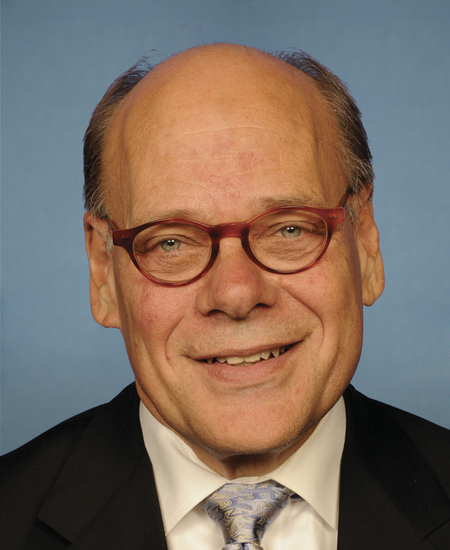
Rep. Steve Cohen
Sponsored bills
Maddy summaryThis bill, titled the Renewing the African American Civil Rights Network Act, extends federal funding for the African American Civil Rights Network by three years. The legislation directly affects the network's operations by amending the United States Code to change the authorization period from seven years to ten years. By updating this timeline, the bill ensures continued financial support for the organization's mission to promote civil rights and historical preservation. No new programs or policy changes are introduced; the measure solely focuses on renewing the existing funding authorization.
Maddy summaryThis House resolution supports designating the week of September 14 through September 18, 2026, as National Clean Energy Week to highlight the growth of zero- and low-emission energy sources. The bill cites a Department of Energy report stating that the U.S. energy sector employed approximately 8.5 million people at the end of 2024 and emphasizes that clean energy jobs are local and cannot be outsourced. It encourages federal, state, and private entities to invest in affordable clean technologies and specifically applauds the work of Department of Energy National Laboratories across multiple states.
Maddy summaryThe RETURN Act directs the Department of Labor, in coordination with the Department of Health and Human Services, to disseminate information and promote awareness to help survivors of stroke, traumatic brain injury, and heart attacks return to work. The bill aims to improve access to reasonable workplace accommodations for these individuals while also assisting employers in implementing such changes and enhancing self-employment options. Directly affected groups include the health condition survivors, their families, private and government employers, and service providers. Additionally, the Secretary of Labor is required to submit an annual report to Congress detailing the actions taken under this legislation.
Maddy summaryThis bill designates the U.S. Postal Service facility at 417 West 7th Street in Columbia, Tennessee, as the "Pharmacist’s Mate First Class John Harlan Willis Post Office Building." It updates all official references (including laws, maps, and documents) to reflect this new name. The bill affects the specific post office location and any federal records mentioning it, without altering postal services or creating new policies. This is a ceremonial naming bill with no substantive policy changes.
Maddy summaryThis bill renames a specific United States Postal Service facility in Knoxville, Tennessee, located at 300 Macedonia Lane, as the "Reverend Harold Middlebrook Post Office Building." It directly affects the USPS location by changing its official name and requires all federal references to the building (in laws, maps, documents, etc.) to reflect the new name. The key provision is the formal designation and updating of all official records to use the new name. This is a ceremonial naming bill with no substantive policy changes.
Maddy summaryThe Vet CENTERS for Mental Health Act of 2026 requires the Secretary of Veterans Affairs to ensure that every state meets a specific minimum number of mental health treatment centers within one year of enactment. For states in the contiguous United States, this minimum is calculated as the greater of one center per 30,000 square miles of land or one center per 55,000 veterans based on census data. Non-contiguous states and territories must maintain at least one center or match their existing count from January 1, 2020, whichever is higher. To achieve these targets, the Secretary may open new facilities using buildings provided by state, local, or tribal governments, and can establish outstations in place of full centers if multiple additional sites are needed in a single state.
Maddy summaryThe Taxpayer Relief from Big Oil Act would eliminate existing royalty relief programs for oil and gas companies operating in the Gulf of Mexico and Alaska, requiring these firms to pay full royalties on their production. The bill also mandates that the Department of Interior establish standardized transportation cost deductions for calculating royalties on federal lands and offshore waters, capping these deductions at either 30 percent of the total value of production or actual reasonable costs, whichever is lower. Additionally, the legislation requires the Bureau of Land Management and the Bureau of Ocean Energy Management to submit annual reports to Congress detailing the number of royalty relief applications processed, approved wells, and estimated impacts on government revenue.
Maddy summaryThe Penalties for Polluters Act significantly increases the maximum civil penalties for violations of federal mineral leasing, oil and gas royalty management, and offshore lands laws to better account for inflation. These higher fines apply to companies and individuals who fail to comply with regulations regarding natural resource extraction and environmental protection. The bill also establishes a Penalty Revenue Reinvestment Fund that collects the additional revenue generated by these increased penalties. Half of this fund is distributed to states, Indian tribes, and local governments harmed by violations, while the other half supports federal agencies in enforcing compliance and safety standards.