Issue · Immigration

Immigration

Every immigration bill, vote, and legislator stance in Iowa, automatically classified by Maddy, our AI policy reader.

Total bills
51
119th Congress
Top supporter
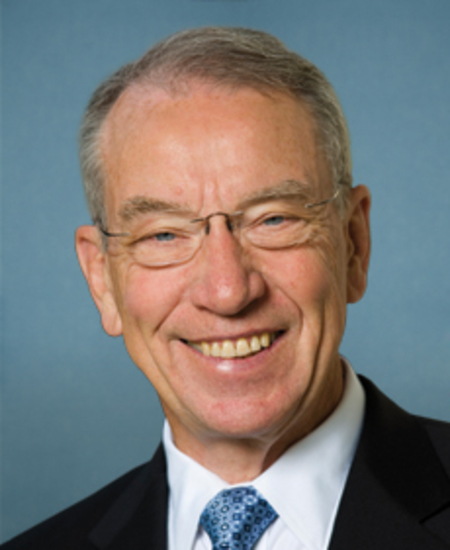
Chuck Grassley
70% support rate
Top opponent
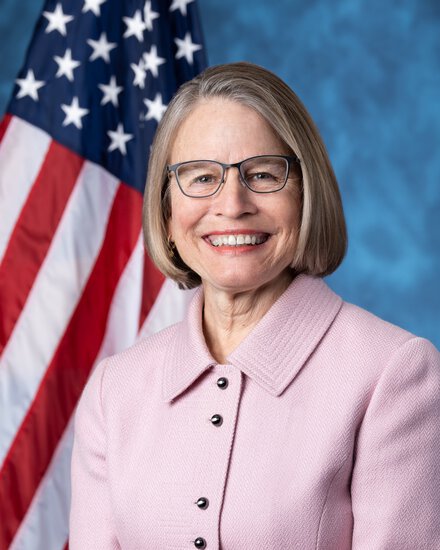
Mariannette Miller-Meeks
18% support rate
Ranked legislators
6
2 support · 4 oppose
Key legislators

Who's moving immigration in Iowa

Legislators moving immigration in Iowa
Legislator Party Stance Support rate Votes
Chuck Grassley
Chuck Grassley Senate
R
Support
70% 162
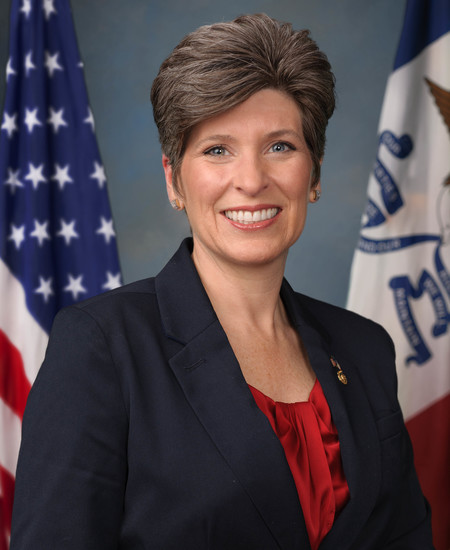
Joni Ernst
Joni Ernst Senate
R
Support
66% 175
Mariannette Miller-Meeks
Mariannette Miller-Meeks House · District 1
R
Strong −
18% 142
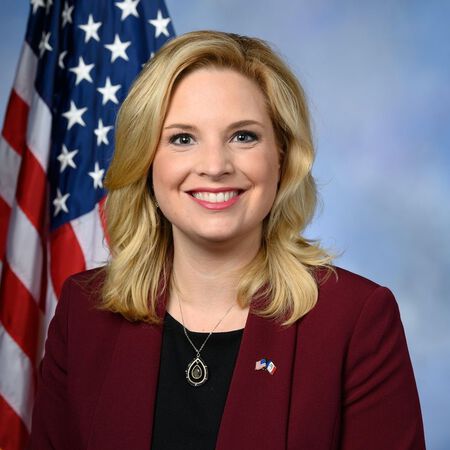
Ashley Hinson
Ashley Hinson House · District 2
R
Strong −
19% 144
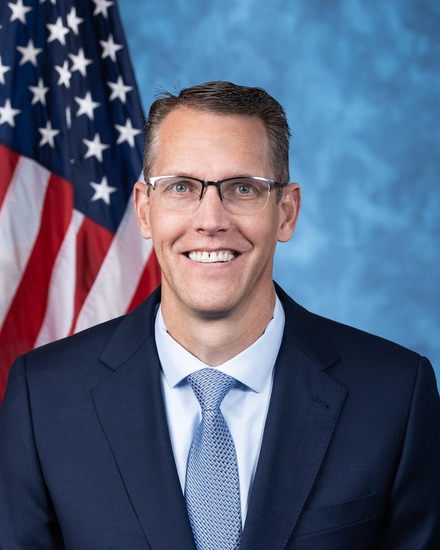
Randy Feenstra
Randy Feenstra House · District 4
R
Strong −
19% 146
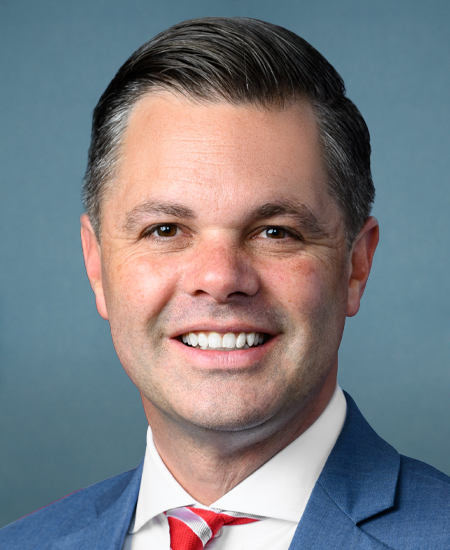
Zachary Nunn
Zachary Nunn House · District 3
R
Strong −
19% 142
Showing 1–10 of 51 bills

All immigration bills

passed · United States · House Sep 1, 2026

HRES 1490: Providing for the condemnation and denouncement of socialism in all its forms, and for other purposes.

This resolution states that the House of Representatives condemns and denounces socialism in all its forms, including the Democratic Socialists of America, and opposes the implementation of socialist policies in the United States; reaffirms its support for free, fair, and secure elections and calls for enactment of the SAVE America Act; reiterates that American elections are for American citizens only; and recommits itself to upholding the U.S. Constitution.
in committee · United States · Senate May 21, 2026

S 4620: Mandatory E-Verify Act of 2026

The Mandatory E-Verify Act of 2026 makes the E-Verify employment eligibility verification system permanent and mandatory for all employers in the United States, including those who hire, recruit, or refer individuals for jobs. The bill requires employers to use the system within a phased timeline based on company size, ranging from six months for large businesses with 10,000 or more employees to 18 months for smaller businesses with fewer than 20 employees, while exempting agricultural labor verification until 18 months after enactment. Key provisions include increased civil and criminal penalties for non-compliance, the ability for the government to debar repeat violators from federal contracts, and a requirement that states sharing driver's license data with the system remain eligible for certain federal funding. Additionally, the act establishes a self-check feature for individuals to verify their own status, expands data sharing between federal and state agencies to prevent fraud, and creates a good-faith defense for employers who rely on the system's results.
Sub-Topics Work Authorization
in committee · United States · Senate Jan 9, 2025

S 52: End Child Trafficking Now Act

End Child Trafficking Now Act This bill imposes restrictions related to adult non-U.S. nationals ( aliens under federal law) being admitted into the United States with a minor. Such an adult may not be admitted with a minor unless the adult (1) presents documents and witness testimony proving that the adult is a relative or guardian of the minor, or (2) submits to a DNA test that proves such a relationship. The Department of Homeland Security may request a DNA test only if the required relationship cannot be established by the presented documents and witness testimony. An adult who does not consent to a requested DNA test shall be inadmissible. If the required relationship cannot be established and the immigration officer believes the adult is guilty of a felony offense, the officer may arrest the adult. The bill makes it a crime for an adult to knowingly use a minor to whom the adult is not a relative or guardian to enter the United States.
Sub-Topics Human Trafficking
in committee · United States · House Jul 10, 2025

HR 4329: Building Civic Bridges Act

HR 4329, the Building Civic Bridges Act, creates an Office of Civic Bridgebuilding within the Corporation for National and Community Service to support projects reducing community divisions. It establishes a 3-year pilot grant program funding nonprofits, community groups, and schools to run projects that foster respect across diverse communities, address unmet needs like health or safety concerns, and improve social cohesion. Grants require projects to use research-based approaches, engage polarized communities, ensure participant safety, and track outcomes using standardized criteria. The program is funded exclusively through existing donations (not new federal funds) and mandates consultation with diverse community leaders and researchers. The Office will also compile research on civic bridgebuilding best practices for public access.
in committee · United States · House May 24, 2025

HR 3608: Connor’s Law

HR 3608, "Connor’s Law," requires commercial motor vehicle operators (like truck and bus drivers) to read and speak English well enough to converse with the public, understand English traffic signs, respond to officials, and complete reports. The bill adds this language requirement to existing federal safety rules for commercial drivers. Drivers found noncompliant with this rule would face an "out of service" order, meaning they cannot operate their vehicle until they meet the requirement. This directly affects commercial drivers operating in the U.S. under federal safety regulations.
in committee · United States · Senate Mar 6, 2025

S 886: FARMLAND Act of 2025

The FARMLAND Act of 2025 strengthens oversight of foreign ownership of U.S. agricultural land by requiring foreign persons to report land acquisitions and mandating due diligence for entities involved in agricultural land transactions. It creates civil penalties for noncompliance, establishes a database to track foreign ownership, and prohibits foreign persons from participating in Farm Service Agency programs. The bill requires annual reports to Congress on national security risks related to foreign ownership by countries like China, Russia, and state sponsors of terrorism, focusing particularly on strategic competitors. Key provisions include enhanced reporting requirements, public disclosure of noncompliant entities, and new requirements for the Committee on Foreign Investment in the United States.
Tags Agriculture
in committee · United States · Senate Mar 31, 2025

S 1206: Judicial Relief Clarification Act of 2025

This bill prevents U.S. federal courts from issuing orders (such as injunctions, stays, or declarations) that stop enforcement of laws against people or entities not directly involved in a lawsuit (non-parties). It requires that such orders only apply if a non-party is represented through a party acting under standard legal rules. The law applies to all federal courts, including those in U.S. territories, and modifies related procedures for temporary restraining orders and declaratory judgments to enforce this restriction. Its core change limits court authority to affect non-parties regarding statutes, regulations, or government actions.
in committee · United States · House Apr 8, 2025

HR 2729: Carnivals are Real Entertainment Act

HR 2729, the "Carnivals are Real Entertainment Act," creates a new temporary work visa category for carnival and circus workers. It directly affects mobile entertainment providers (like traveling carnivals, circuses, and affiliated food/game concession services) and their workers who perform essential tasks such as transporting, assembling, operating, and maintaining rides and equipment at seasonal fairs and festivals. The bill amends immigration law to define "mobile entertainment workers" as those entering temporarily for functions integral to these operations, subject to labor program requirements similar to other temporary work visas. It requires the Departments of Homeland Security and Labor to issue implementing rules within one year of enactment.
in committee · United States · House Jun 11, 2025

HR 3891: Northern Border Security and Staffing Reform Act

This bill requires U.S. Customs and Border Protection (CBP) to update its Northern Border Security Threat Analysis every five years, including specific new elements. It mandates assessments of current staffing levels versus projected needs, future retirement surges (noting a 400% increase expected by 2028), housing challenges, and local recruitment plans for northern border ports. The bill also requires CBP to develop and update a plan addressing retirement surges, staffing shortages, and the feasibility of recruitment tools like bonuses or student loan repayment. These provisions directly affect CBP staffing at northern border ports, which face unique challenges like harsh weather and housing shortages that hinder officer retention.
Sub-Topics Border Security
in committee · United States · House Jan 3, 2025

HR 163: Finish the Wall Act

HR 163, the "Finish the Wall Act," mandates the immediate resumption of border wall construction along the U.S.-Mexico border within 24 hours of enactment. It requires the Department of Homeland Security to use all existing funds appropriated since 2016 for this purpose, prohibits canceling pre-January 2021 contracts, and sets a deadline of September 30, 2026, to complete the wall system. The bill directly affects the Department of Homeland Security, contractors with prior wall contracts, and border facilities, which must also comply with DNA collection requirements under federal law. It focuses on concrete policy actions - resuming construction, using existing funds, and meeting a specific timeline - without addressing broader policy impacts.
Showing 1 to 10 of 51 bills
1 2 3 6 Next