Issue · Labor & Employment

Labor & Employment

Every labor & employment bill, vote, and legislator stance in Indiana, automatically classified by Maddy, our AI policy reader.

Total bills
249
119th Congress
Top supporter
Frank J. Mrvan
77% support rate
Top opponent
James R. Baird
33% support rate
Ranked legislators
9
4 support · 5 oppose
Key legislators

Who's moving labor & employment in Indiana

Legislators moving labor & employment in Indiana
Legislator Party Stance Support rate Votes
Frank J. Mrvan
Frank J. Mrvan House · District 1
D
Support
77% 191
Jim Banks
Jim Banks Senate
R
Support
62% 210
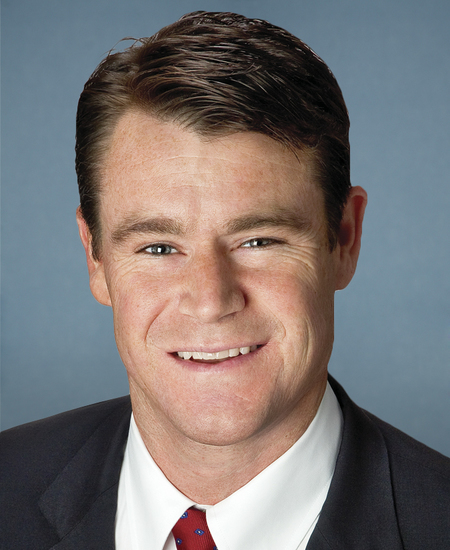
Todd Young
Todd Young Senate
R
Support
62% 213
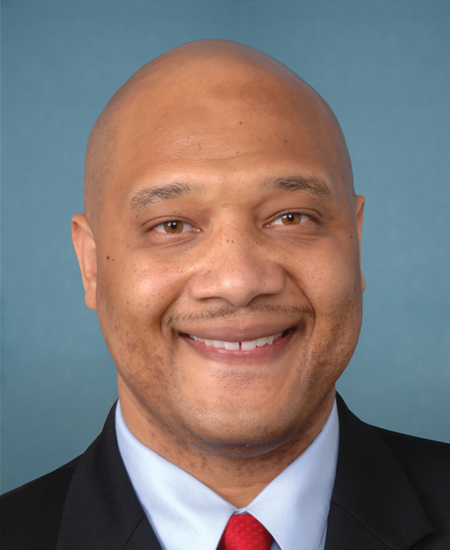
André Carson
André Carson House · District 7
D
Support
62% 195
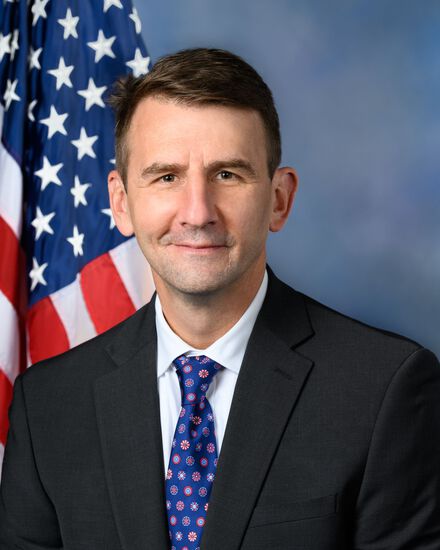
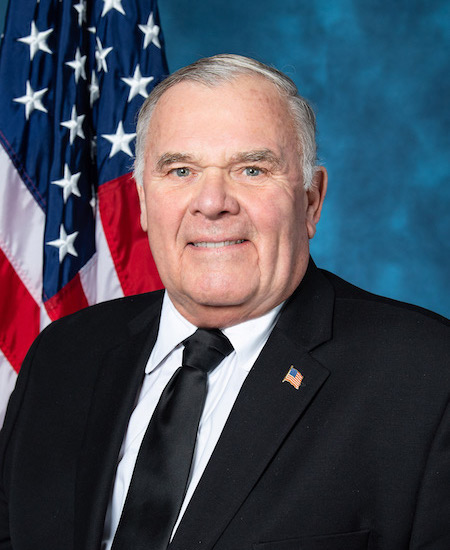
James R. Baird
James R. Baird House · District 4
R
Oppose
33% 185
Victoria Spartz
Victoria Spartz House · District 5
R
Oppose
38% 191
Marlin A. Stutzman
Marlin A. Stutzman House · District 3
R
Oppose
38% 193
Jefferson Shreve
Jefferson Shreve House · District 6
R
Oppose
38% 193
Mark B. Messmer
Mark B. Messmer House · District 8
R
Oppose
38% 197
Showing 1–10 of 249 bills

All labor & employment bills

in committee · United States · House Aug 31, 2026

HR 10194: PRO–WORK Act

The PRO-WORK Act would prohibit employers from receiving federal funds during any period they lock out their employees, as well as for an additional period equal in length to the lockout or one year if a prior lockout occurred. Additionally, the bill denies tax credits to corporations that engage in employee lockouts, with the penalty becoming more severe if the company has locked out workers before within the same tax year. These restrictions would take effect on January 1, 2026, and require employers who violate the funding ban to reimburse the federal government for any improperly used money.
in committee · United States · House Sep 2, 2026

HR 10239: Equal Pay for Equal Work Act

The Equal Pay for Equal Work Act establishes a new National Equal Pay Enforcement Task Force composed of representatives from the Equal Employment Opportunity Commission, the Department of Justice, the Department of Labor, and the Office of Personnel Management. The task force is charged with coordinating these agencies to close gaps in enforcement and improve public education regarding equal pay laws. Its specific duties include investigating challenges related to pay inequity, advancing recommendations to address those issues, and creating action plans to implement the proposed solutions.
in committee · United States · House Aug 6, 2026

HR 10063: Green New Deal for Public Housing Act

The Green New Deal for Public Housing Act directs the Department of Housing and Urban Development to provide grants to public housing agencies and tribal entities for the comprehensive rehabilitation, energy upgrades, and modernization of public housing stock. These funds are intended to transform properties into zero-carbon homes by installing renewable energy systems, electrifying appliances, and repairing infrastructure, while also establishing workforce development programs that offer training, apprenticeships, and stipends to residents and local low-income workers. The bill mandates strict labor standards, including prevailing wages and the use of U.S.-made materials, and requires agencies to maintain or increase the total number of public housing units while prioritizing resident participation through elected councils and community engagement processes.
in committee · United States · Senate Jul 15, 2026

S 4983: Harry Reid Immigration Stabilization Act

This bill, the Harry Reid Immigration Stabilization Act, establishes a comprehensive framework to reduce overall immigration numbers, reform asylum procedures, increase penalties for criminal behavior, and enhance border security measures. It directly affects immigrants, refugees, asylum seekers, employers, and law enforcement agencies by setting strict caps on family and employment-based visas, requiring a 30-day filing deadline for asylum applications, and expanding the definition of aggravated felonies to include a wider range of crimes. Key mechanisms include mandating that employers verify work eligibility through a telephone verification system, creating a new border crossing fee, and requiring states to verify immigration status to receive certain federal benefits. Additionally, the legislation introduces stricter rules for criminal aliens facing expedited deportation, increases penalties for alien smuggling, and clarifies citizenship requirements for children born to non-citizen parents.
in committee · United States · Senate Jul 28, 2026

S 5150: SAFE Act

The Safety and Accountability in Freight Enforcement Act creates a new category called "chameleon carriers" to identify trucking companies that repeatedly change their legal identity to avoid safety penalties, insurance hikes, or enforcement actions. To combat this, the bill requires the Federal Motor Carrier Safety Administration to develop a specialized automated tool that analyzes business data to detect these patterns during the registration process. The legislation also mandates a study by the Government Accountability Office to estimate the number of such carriers and their impact on road safety, along with an appeals process for applicants denied registration based on the tool's findings.
in committee · United States · House Jul 23, 2026

HR 9908: Rural Hospital Cybersecurity Enhancement Act

The Rural Hospital Cybersecurity Enhancement Act directs the Department of Health and Human Services to create a workforce development plan aimed at training cybersecurity professionals specifically for rural hospitals. This strategy requires the Secretary to consult with various federal agencies and healthcare representatives while focusing on partnerships, curriculum development, and identifying local security challenges. Additionally, the bill mandates the publication of free instructional materials and an awareness campaign to help rural hospital staff learn fundamental cybersecurity skills. The legislation does not authorize any new funding, relying instead on existing resources to implement these training and educational initiatives.
Sub-Topics Hospitals Workforce Development Tags Cybersecurity Rural Communities
in committee · United States · House Jul 13, 2026

HRES 1427: Expressing support for the designation of July 10th as Journeyman Lineworkers Recognition Day.

This resolution expresses support for designating July 10th as Journeyman Lineworkers Recognition Day to honor the workers who maintain the nation's electrical grid. The bill specifically recognizes the dangerous conditions these employees face, such as working at heights near live power lines and responding to disasters like hurricanes and wildfires. It also commemorates Henry Miller, the first president of the International Brotherhood of Electrical Workers, who died on July 10, 1896, while performing his duties. Ultimately, the measure encourages the public to observe this day with reflection on the contributions of lineworkers.
Sub-Topics Apprenticeships
in committee · United States · House Jul 22, 2026

HR 9859: Ethical Investigations and Integrity Act

The Ethical Investigations and Integrity Act requires the Secretary of Labor to create a written agreement before sharing information with attorneys for use in civil wage and hour cases. This agreement must outline the scope of assistance and be shared with any employers or contractors who could be negatively affected by the disclosure. Additionally, the law mandates that the Department of Labor submit annual reports to Congress detailing these agreements and the specific information exchanged, while protecting the identities of other potential defendants. These provisions aim to increase transparency in how the government provides legal support to attorneys in labor disputes.
Sub-Topics Labor Standards
in committee · United States · House Jul 21, 2026

HCONRES 114: Recognizing the significance of equal pay and the disparity in wages paid to men and to Black women.

This concurrent resolution formally recognizes the persistent wage gap between Black women and white, non-Hispanic men in the United States. It highlights data showing that Black women earn significantly less than their male counterparts and reaffirms Congress's support for existing laws that prohibit pay discrimination based on sex or race. The document does not create new laws or change policy but serves as a symbolic statement to raise awareness about the economic disparities faced by Black women.
in committee · United States · House Jul 16, 2026

HR 9751: Consumer Appeal Rights Enforcement Act

The Consumer Appeal Rights Enforcement Act strengthens rules for employee benefit plans by allowing the Department of Labor to impose fines on entities that fail to follow claims procedures or external review requirements. It defines violations as either global failures to have compliant processes or individual instances where plans do not provide proper notices, timely decisions, or requested information to participants. Penalties range from $1,000 per participant for global violations to $1,000 per day for individual violations, with options to triple these amounts if issues are not corrected within specific timeframes. The bill also repeals a previous provision that allowed private lawsuits for certain procedural violations, shifting enforcement authority to the Secretary of Labor.
Showing 1 to 10 of 249 bills
1 2 3 25 Next