Issue · Criminal Justice

Criminal Justice

Every criminal justice bill, vote, and legislator stance in Indiana, automatically classified by Maddy, our AI policy reader.

Total bills
70
2026 Regular Session
Top supporter
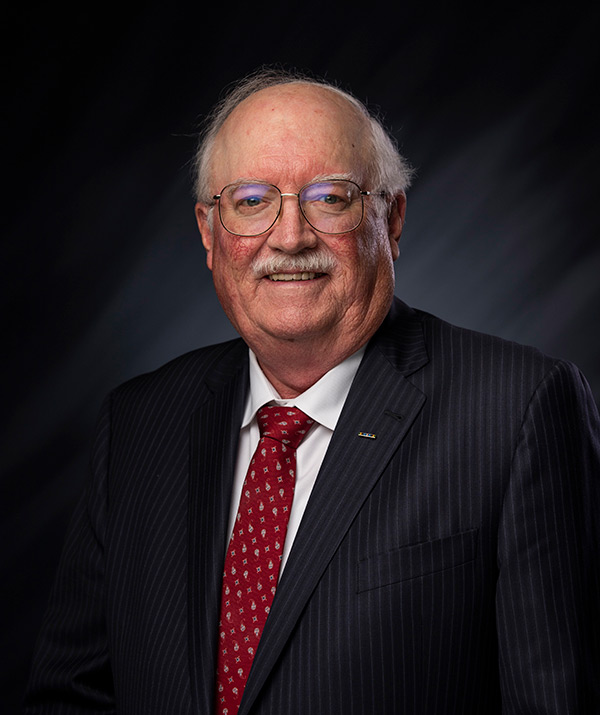
Rodney Pol
100% support rate
Top opponent
Elizabeth Rowray
0% support rate
Ranked legislators
10
5 support · 5 oppose
Key legislators

Who's moving criminal justice in Indiana

Legislators moving criminal justice in Indiana
Legislator Party Stance Support rate Votes
Rodney Pol
Rodney Pol Senate · District 4
D
Strong +
100% 23
John Bartlett
John Bartlett House · District 95
D
Support
70% 75
Alex Burton
Alex Burton House · District 77
D
Support
70% 72
Vernon Smith
Vernon Smith House · District 14
D
Support
70% 74
Robin Shackleford
Robin Shackleford House · District 98
D
Support
70% 74
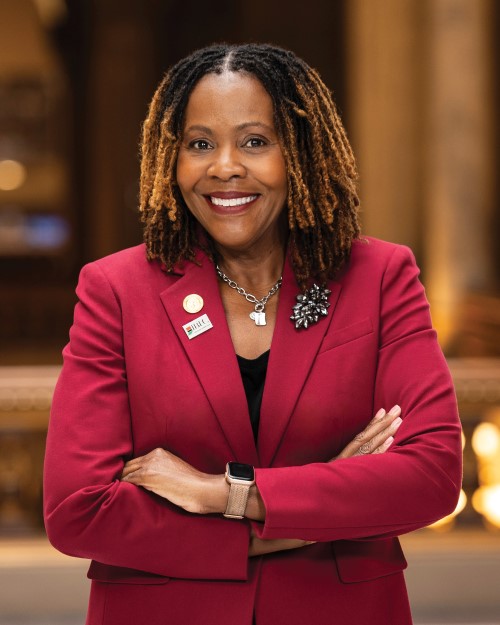
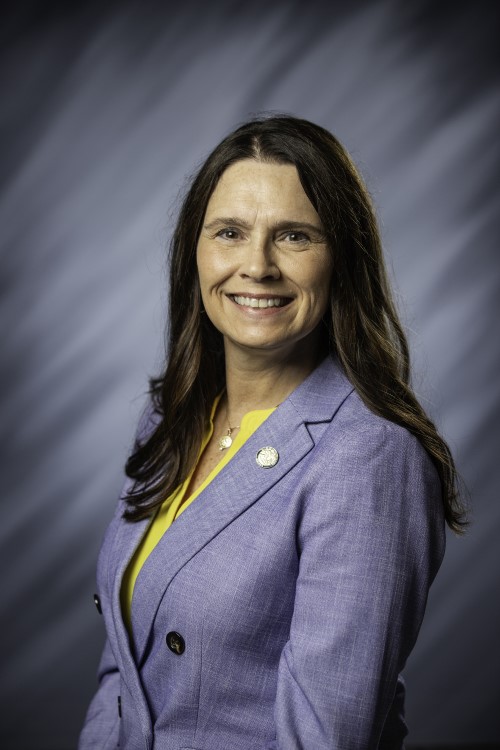
Elizabeth Rowray
Elizabeth Rowray House · District 35
R
Strong −
0% 62
Ed Clere
Ed Clere House · District 72
I
Strong −
10% 75
Heath VanNatter
Heath VanNatter House · District 38
R
Strong −
12% 71
Mike Aylesworth
Mike Aylesworth House · District 11
R
Strong −
20% 75
Shane Lindauer
Shane Lindauer House · District 63
R
Oppose
25% 69
Showing 61–70 of 70 bills

All criminal justice bills

in committee · Indiana · Senate Jan 5, 2026

SB 143: Statute of limitations.

SB 143 removes the statute of limitations for prosecuting Level 3 felony rape and child molesting offenses, meaning prosecutors can file charges at any time regardless of when the crime occurred. This directly affects victims of these specific crimes and the state's criminal justice system, as it eliminates time-based barriers to pursuing legal action. The key provision amends existing law to allow prosecutions to proceed even after many years have passed. The bill does not change the definition of these crimes or apply to other offenses.
in committee · Indiana · Senate Dec 8, 2025

SB 62: Unlawful possession of a firearm by a child.

Adds felony unlawful possession of a firearm by a child to the list of crimes for which a juvenile court shall, upon motion of the prosecuting attorney, waive jurisdiction under certain circumstances. Removes certain crimes concerning children and firearms from the list of crimes in which a juvenile court does not have jurisdiction for an alleged violation. Removes language in the unlawful carrying of a handgun statute prohibiting a person less than 18 years of age from carrying a handgun. Provides that the unlawful carrying of a handgun statute applies to a person who has been adjudicated as a delinquent child under the statute, and is at least 18 years of age but less than 23 years of age. Renames the "dangerous possession of a firearm" crime to "unlawful possession of a firearm by a child" and provides that the enhanced penalty applies if the offense was committed: (1) on or in school property; (2) within 500 feet of school property; or (3) on a school bus. Removes the reckless mens rea for unlawful possession of a firearm by a child. Makes technical changes.
passed · Indiana · House Jan 26, 2026

HB 1118: Expungement.

Repeals and replaces the existing adult expungement statute with a new expungement process that makes certain changes to: (1) time periods for filing expungement; (2) crimes that are eligible for expungement; and (3) other procedural matters relating to expungement. Adds a provision concerning the expungement of juvenile arrest records.
Sub-Topics Juvenile Justice
in committee · Indiana · Senate Jan 12, 2026

SB 137: Involuntary treatment of substance use disorder.

Allows an individual's spouse, legal guardian, friend, relative, or medical service provider to petition a court for involuntary substance use disorder treatment. Requires a petition to include certain information and allows a court to dismiss a petition, without prejudice, if it does not contain the required information. Requires the court to appoint a public defender if the individual subject to a petition seeking involuntary substance use disorder treatment is not represented by an attorney. Requires a court to order the individual to be evaluated by a medical provider if the court finds that: (1) the individual has a substance use disorder; (2) because of the individual's substance use disorder, the individual is experiencing impaired judgment and is unable to independently maintain the individual's activities of daily living or is a danger to self or others; and (3) the individual refuses to voluntarily participate in substance use disorder treatment. Allows a court to order a local law enforcement agency to consider whether an individual meets the criteria for emergency detention under certain circumstances. Requires a medical provider who completes an evaluation concerning an individual's need for substance use disorder treatment to submit the evaluation to the court. Specifies that after receiving an evaluation from a medical provider, the court may dismiss the petition or set a hearing for further evidence to be presented about the individual's need for substance use disorder treatment. Requires a court to order involuntary outpatient substance use disorder treatment for a period, not to exceed 90 days, if medical evidence supports that the individual requires immediate treatment for a substance use disorder and the individual has refused treatment.
signed · Indiana · Senate Feb 23, 2026

SJR 1: Constitutional amendment concerning bail.

Provides that an offense other than murder or treason is not bailable if: (1) the proof is evident or the presumption strong; and (2) the state proves by clear and convincing evidence that no release conditions will reasonably protect the safety of any other person or the community. This proposed amendment has been agreed to by one general assembly.
Sub-Topics Firearms
in committee · Indiana · House Dec 2, 2025

HB 1046: Family recovery court fund.

Establishes the family recovery court fund (fund). Provides that the fund consists of money appropriated by the general assembly from the state unrestricted opioid settlement account as well as donations, gifts, and money received from other sources. Provides that money in the fund is continuously appropriated for the purpose of funding family recovery courts and safe baby courts. Provides that family recovery courts: (1) target cases of abuse or neglect wherein a parent or primary caregiver suffers from a substance use disorder or co-occurring disorders; and (2) are certified as problem solving courts by the office of judicial administration.
Sub-Topics Courts Drug Policy
in committee · Indiana · Senate Dec 8, 2025

SB 11: Firing squad.

Authorizes the death penalty to be carried out by firing squad: (1) if execution by lethal injection cannot be carried out due to the unavailability of a required drug; or (2) upon request by the condemned person. Establishes a procedure for execution by firing squad. Makes conforming amendments and technical corrections.
in committee · Indiana · House Jan 5, 2026

HB 1121: Drug and alcohol testing.

Provides that a law enforcement agency that employs a law enforcement officer involved in an officer-involved shooting must administer alcohol and drug testing to the applicable law enforcement officer.
signed · Indiana · Senate Mar 5, 2026

SB 119: Grooming.

Adds a facility or event that provides entertainment or programming primarily directed toward a child less than 18 years of age to the list of facilities at which a sexually violent predator or an offender against children may not work or volunteer. Adds entering a facility or location holding an event that provides entertainment or programming primarily directed toward a child less than 18 years of age by a serious sex offender to the crime of unlawful entry by a serious sex offender. Renames the offense of "inappropriate communication with a child" to "sexual grooming", and provides (in addition to the current elements of the offense) that a person commits the offense if the person engages in a pattern of repeated or continuous contact with an individual whom the person believes to be a child less than 14 years of age, with the intent to condition the individual to be less resistant to future sexual conduct or sexual activity. Specifies that "computer network" includes cellular telephones.
passed both · Indiana · House Feb 25, 2026

HB 1065: Ban on gratuities for public officials.

Provides that a person who knowingly or intentionally violates a specified provision by commingling the funds of a committee with the personal funds of an officer, a member, or an associate of the committee commits a Class A misdemeanor. Enhances the penalty to a Level 6 felony if a person commingles at least $50,000 of committee funds.
Showing 61 to 70 of 70 bills
Previous 1 5 6 7