Issue · Healthcare

Healthcare (Substance Abuse)

Every healthcare bill, vote, and legislator stance in Indiana, automatically classified by Maddy, our AI policy reader.

Total bills
16
2026 Regular Session
Top supporter
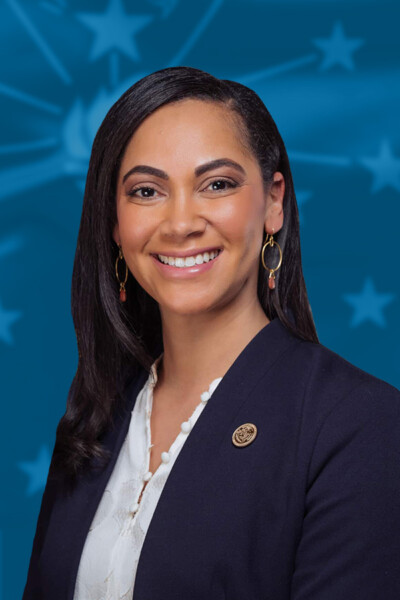
Andrea Hunley
100% support rate
Top opponent
Eric Koch
0% support rate
Ranked legislators
10
5 support · 5 oppose
Key legislators

Who's moving substance abuse in Indiana

Legislators moving substance abuse in Indiana
Legislator Party Stance Support rate Votes
Andrea Hunley
Andrea Hunley Senate · District 46
D
Strong +
100% 4
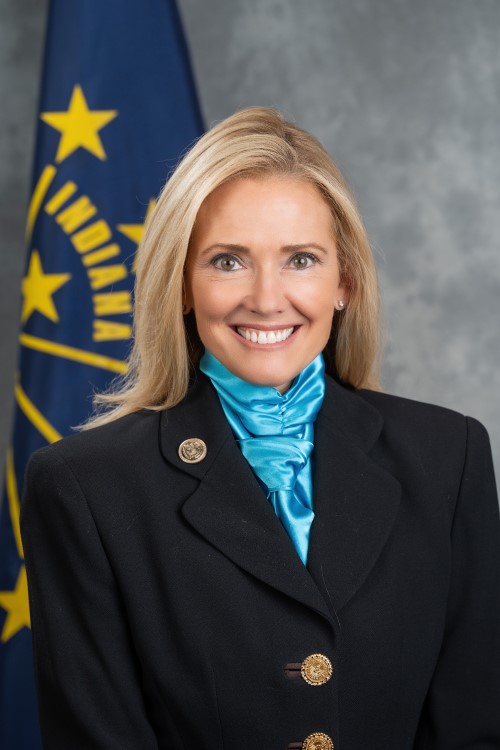
Fady Qaddoura
Fady Qaddoura Senate · District 30
D
Strong +
100% 4
Greg Taylor
Greg Taylor Senate · District 33
D
Strong +
100% 4
Mark Spencer
Mark Spencer Senate · District 3
D
Strong +
100% 4
Shelli Yoder
Shelli Yoder Senate · District 40
D
Strong +
100% 4
Eric Koch
Eric Koch Senate · District 44
R
Strong −
0% 4
Gary Byrne
Gary Byrne Senate · District 47
R
Strong −
0% 4
Jeff Raatz
Jeff Raatz Senate · District 27
R
Strong −
0% 4
Mike Gaskill
Mike Gaskill Senate · District 25
R
Strong −
0% 4
Tyler Johnson
Tyler Johnson Senate · District 14
R
Strong −
0% 4
Showing 1–10 of 16 bills

All healthcare bills

signed · Indiana · House Mar 4, 2026

HB 1358: Indiana department of health.

Changes the statewide standing order for the dispensing of a smoking cessation product to a tobacco, vaping, or nicotine cessation product. Amends the date by which a hospital must submit the hospital's fiscal report and patient information report to the state department. Removes a requirement that a home health aide competency evaluation program include at least 75 hours of training and 16 hours of classroom training before supervised practical training. Adds Parkinson's disease to the definition of "chronic disease" for provisions concerning the chronic disease registry. Requires: (1) the state department to maintain a trauma registry; and (2) certain health care facilities to submit data to the registry. Establishes requirements for the handling and transporting of infectious waste. Sets forth factors the state department must consider in determining the nature of and civil penalty for a violation of infectious waste requirements. Expands provisions concerning epinephrine, including provisions allowing a pharmacist to dispense and an entity to prescribe epinephrine rather than auto-injectable epinephrine. Removes the expiration of provisions concerning lead screening for children. Requires a registered manufacturer, processor, repackager, or wholesale distributor of food, drugs, or cosmetics to comply with federal regulations concerning good manufacturing practices. Allows the state health commissioner to enter and inspect the premises of the manufacturer, processor, repackager, or wholesale distributor. Permits a local health department to conduct inspections of certain manufacturers, processors, repackagers, or wholesale distributors. Amends the information a local child fatality review team and the statewide child fatality review committee may review in conducting a child fatality review. Allows a suicide and overdose fatality review team and a fetal-infant mortality review team to provide records to the state department. Requires the state department to maintain the confidentiality of these records. Requires a medical school to: (1) include nutrition education in the school's curriculum; and (2) require students to complete a rural health rotation. Voids administrative rules concerning infectious waste and the state trauma registry.
in committee · Indiana · House Jan 8, 2026

HB 1367: Involuntary treatment of substance use disorder.

Allows an individual's spouse, legal guardian, friend, relative, or medical service provider to petition a court for involuntary substance use disorder treatment. Requires a petition to include certain information and allows a court to dismiss a petition, without prejudice, if it does not contain the required information. Requires the court to appoint a public defender if the individual subject to a petition seeking involuntary substance use disorder treatment is not represented by an attorney. Requires a court to order the individual to be evaluated by a medical provider if the court finds that: (1) the individual has a substance use disorder; (2) because of the individual's substance use disorder, the individual is experiencing impaired judgment and is unable to independently maintain the individual's activities of daily living or is a danger to self or others; and (3) the individual refuses to voluntarily participate in substance use disorder treatment. Allows a court to order a local law enforcement agency to consider whether an individual meets the criteria for emergency detention under certain circumstances. Requires a medical provider who completes an evaluation concerning an individual's need for substance use disorder treatment to submit the evaluation to the court. Specifies that after receiving an evaluation from a medical provider, the court may dismiss the petition or set a hearing for further evidence to be presented about the individual's need for substance use disorder treatment. Requires a court to order involuntary outpatient substance use disorder treatment for a period, not to exceed 90 days, if medical evidence supports that the individual requires immediate treatment for a substance use disorder and the individual has refused treatment.
signed · Indiana · House Mar 12, 2026

HB 1277: Health and human services matters.

Amends the duties of the office of the secretary of family and social services (office) concerning Medicaid home and community based services waivers (waiver). Requires: (1) a provider of waiver services to provide certain documentation to a waiver recipient; (2) a waiver recipient to review the documentation and report errors or inconsistencies; and (3) the recipient's case manager to provide assistance to the recipient in reviewing the documentation and reporting any errors or inconsistencies. Requires certain Medicaid recipients to choose the recipient's provider of integrated health care coordination. Provides that integrated health care coordination provided by a provider of assisted living services is not duplicative of certain other services. Establishes a time frame in which the bureau of disabilities services must review and approve or deny requests for an increase in service units provided to certain individuals with a disability. Requires the office to apply to the federal government for: (1) a new Medicaid waiver to provide assisted living services; and (2) an amendment to a specific Medicaid home and community based services waiver to establish an individual cost limit of not more than the institutional cost of nursing facility services. Specifies that provisions concerning reimbursement for assisted living services for individuals who are aged and disabled and receiving services under a Medicaid waiver apply to the new assisted living Medicaid waiver. Provides that, beginning July 1, 2027, an individual is no longer a member of the covered population upon receiving nursing facility services for 100 consecutive days. Provides that on the one hundredth day, the individual is not a member of the covered population and shall receive Medicaid services under a fee for service program. Provides that a provision prohibiting the office from reducing reimbursement for home health services expires June 30, 2027. Requires the office to collaborate with certain entities to develop a new reimbursement methodology for home health services. Specifies that public notice of at least six months (rather than one year) must be provided before a health facility service reimbursement that results in a reduction in reimbursement may be changed. Amends the definition of "bulk drug substance" for provisions concerning drug compounding. Provides that a claim by the estate recovery unit of the office of Medicaid policy and planning (estate recovery unit) is forever barred unless the estate recovery unit files a claim in the court in which the decedent's estate is being administered not later than nine months after the date of death of the decedent.
passed both · Indiana · Senate Feb 25, 2026

SB 275: FSSA fiscal matters.

Amends the duties of the office of the secretary of family and social services (office) concerning home and community based services waivers (waiver). Requires: (1) a provider of waiver services to provide certain documentation to a waiver recipient; (2) a waiver recipient to review the documentation and report errors or inconsistencies; and (3) the recipient's case manager to provide assistance to the recipient in reviewing the documentation and reporting any errors or inconsistencies. Establishes a time frame in which the bureau of disabilities services must review and approve or deny requests for an increase in service units provided to certain individuals with a disability. Creates an exemption for presumptive eligibility standards. Provides reimbursement exemptions under certain Medicaid programs when operating under a value based health care reimbursement agreement. Provides that a provision prohibiting the office from reducing reimbursement for home health services expires June 30, 2027. Requires the office to collaborate with certain entities to develop a new reimbursement methodology for home health services. Specifies that public notice of at least six months (rather than one year) must be provided before a health facility service reimbursement that results in a reduction in reimbursement may be changed. Provides that a claim by the estate recovery unit of the office of Medicaid policy and planning (estate recovery unit) is forever barred unless the estate recovery unit files a claim in the court in which the decedent's estate is being administered not later than nine months after the date of death of the decedent.
Sub-Topics Medicaid Substance Abuse Tags People with Disabilities
signed · Indiana · House Feb 24, 2026

HB 1296: Mental health services.

Requires the secretary of family and social services to certify integrated reentry and correctional support programs. Requires the owner of a recovery residence to register with the division of mental health and addiction (division). Sets forth the requirements for registration. Requires the division to post a list of registered recovery residences on the division's public website and include certain information concerning each recovery residence. Requires the division to adopt rules concerning: (1) the issuance, revocation, and denial of a registration; and (2) any rules necessary to implement these provisions. Allows the division to contract with certain entities to administer the registration of recovery residences.
in committee · Indiana · House Jan 6, 2026

HB 1216: Hyperbaric oxygen treatment program.

Requires the Indiana department of veterans' affairs to establish and administer a hyperbaric oxygen treatment program (program) to make grants to certain providers to provide diagnostic testing and hyperbaric oxygen treatment to qualified service members. Establishes program requirements. Requires the Indiana department of health to: (1) issue a request for proposals to offer treatment under the program; and (2) adopt rules to implement these provisions, including rules concerning program eligibility, treatment plan requirements, criteria for approving payments for treatment, and confidentiality. Provides that funding for the program is paid from the military family relief fund. Makes conforming amendments related to the sunset of the hyperbaric oxygen treatment pilot program.
in committee · Indiana · House Jan 5, 2026

HB 1237: Use of opioid settlement funds.

Provides that distributions to the local abatement opioid settlement account to cities, counties, and towns may be used for the procurement of mobile radio equipment by a city, county, or town for use by first responders, in addition to programs of treatment, prevention, and care that are best practices as defined or required by a settlement document or court order under current law.
Sub-Topics Substance Abuse
in committee · Indiana · House Jan 8, 2026

HB 1392: Involuntary substance use disorder treatment.

Allows an individual's spouse, legal guardian, friend, or relative to petition a court for involuntary substance use disorder treatment. Requires a petition to include certain information and allows a court to dismiss a petition, without prejudice, if it does not contain the required information. Requires the court to appoint a public defender if the individual subject to a petition seeking involuntary substance use disorder treatment is not represented by an attorney. Requires a court to order the individual to be evaluated by two medical providers, one of which must be a licensed physician, if the court finds that: (1) the individual has a substance use disorder; (2) because of the individual's substance use disorder, the individual is experiencing impaired judgment and is unable to independently maintain the individual's activities of daily living or is a danger to self or others; and (3) the individual refuses to voluntarily participate in substance use disorder treatment. Allows a court to order a local law enforcement agency to consider whether an individual meets the criteria for emergency detention under certain circumstances. Requires a medical provider who completes an evaluation concerning an individual's need for substance use disorder treatment to submit the evaluation to the court. Specifies that after receiving an evaluation from a medical provider, the court may dismiss the petition or set a hearing for further evidence to be presented about the individual's need for substance use disorder treatment. Requires a court to order involuntary substance use disorder treatment for a period of between 60 and 360 days if medical evidence supports that the individual requires immediate treatment for a substance use disorder and the individual has refused treatment. Requires the petitioner to pay all medical expenses that result from a respondent receiving court ordered involuntary substance use disorder treatment. Specifies that a respondent may be subject to contempt proceedings for a failure or refusal to comply with a court order issued in response to the petition for involuntary substance use disorder treatment.
Sub-Topics Substance Abuse
in committee · Indiana · House Jan 5, 2026

HB 1087: Overdose reversal medication.

Provides that, subject to available funding, the division of mental health and addiction may develop an application to provide funds to a school corporation or school maintained by a school corporation to obtain a federal Food and Drug Administration approved opioid overdose reversal medication. Provides that the state health commissioner shall issue a statewide standing order, prescription, or protocol for a federal Food and Drug Administration approved opioid overdose reversal medication for each public school or school corporation.
in committee · Indiana · Senate Jan 5, 2026

SB 131: Psychiatric care ombudsman.

Requires: (1) the division of mental health and addiction to establish the psychiatric care ombudsman office (office); and (2) the office of the secretary of family and social services to appoint the psychiatric care ombudsman. Sets forth the powers and duties of the office concerning psychiatric hospitals and patients of psychiatric hospitals. Creates a criminal penalty.
Showing 1 to 10 of 16 bills
1 2 Next