Maddy summarySRES 866 is a ceremonial Senate resolution designating October 4, 2024, as "National Energy Appreciation Day." It honors energy workers across all sectors (including oil, gas, coal, nuclear, and renewables) who power the U.S. economy and infrastructure. The resolution encourages federal, state, local, and community organizations to observe the day with events that raise awareness about energy's role in supporting jobs, economic growth, national security, and global poverty reduction. It does not create new laws or funding but serves as a symbolic recognition of the energy industry's contributions.
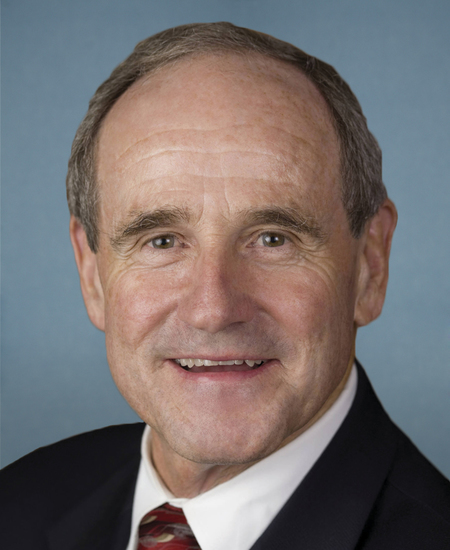
Sen. James E. Risch
Sponsored bills
Maddy summarySRES 869 is a Senate resolution designating the week beginning November 11, 2024, as "National Pregnancy Center Week" to publicly recognize community-supported pregnancy centers across the United States. These centers, numbering approximately 3,000 nationwide, provide free services including pregnancy testing, counseling, parenting resources, and material assistance (like baby clothes and housing help) to individuals facing pregnancy decisions, serving about 2 million people annually. The resolution highlights that these centers offer over $350 million in services yearly, primarily through community support without significant government funding. This symbolic resolution does not create new laws but aims to raise awareness of their work in supporting vulnerable individuals.
Maddy summaryThis resolution (SRES 887) is a symbolic Senate expression of support for designating October 7-12, 2024, as "National 4-H Week." It does not create new laws or funding but formally recognizes the 4-H youth development program, which serves nearly 6 million young people nationwide through community-based projects in health, science, and leadership. The resolution highlights 4-H’s role in fostering youth leadership and its partnership with land-grant universities and the USDA. It directly affects the 4-H organization, its 500,000 volunteers, and the youth members participating in the program.
Maddy summaryThis Senate resolution (SRES 890) condemns Hamas for the October 7, 2023, attack on Israel that killed approximately 1,200 people - including 40 U.S. citizens - and took hostages. It supports three specific outcomes: ensuring Israel's long-term security, preventing Hamas from regaining power in the region, and securing the safe return of U.S. hostages held in Gaza. As a non-binding resolution, it does not create new laws or policies but expresses the Senate's position. The resolution was introduced by 45 Senators and passed unanimously on September 25, 2024.
Maddy summaryS 5183, the "BE GONE Act," amends the Immigration and Nationality Act to expand the definition of "aggravated felonies" by adding "sexual assault and aggravated sexual violence." This change directly affects non-citizens (immigrants without citizenship) convicted of these specific crimes, making them subject to mandatory deportation under current immigration law. The bill adds these offenses to the existing list of serious crimes triggering deportation, without creating new penalties or programs. It is a definitional change within existing immigration enforcement mechanisms.
Maddy summaryThis bill prohibits federal, state, and local governments from requiring handguns to include specific features not commonly found on standard firearms. It bans mandates for load indicators, magazine insertion mechanisms, microstamping capabilities, or any devices that could perform these functions. The law directly affects handgun manufacturers and government agencies that might seek to impose such requirements. It prevents new regulations on firearm design without creating new safety standards or altering existing gun laws.
Maddy summaryThis bill requires the Council on Environmental Quality (CEQ) to publish annual reports starting in 2025, tracking how the National Environmental Policy Act (NEPA) is applied to federal projects. The reports will detail lawsuits alleging NEPA non-compliance (including agency defendants and case outcomes), the length of environmental impact statements and assessments, and the timelines for completing environmental reviews. These reports must include disaggregated data by agency and show trends over time, with all underlying data made publicly available. The bill directly affects federal agencies responsible for NEPA reviews (like the Army Corps or EPA) and provides transparency for the public and Congress on project review processes.
Maddy summaryThis bill mandates an annual assessment by the U.S. Secretary of Agriculture to evaluate the nation's dependency on critical agricultural inputs - such as fertilizers, seeds, veterinary drugs, and equipment - that could be vulnerable if supply chains were disrupted by the People's Republic of China. The study requires identifying current domestic production capacity, supply chain bottlenecks, and recommending actions to reduce reliance on foreign sources through onshore or nearshore production. It includes strict confidentiality rules, ensuring companies sharing data are protected from disclosure and that information is used only for aggregated reporting. The bill does not create new programs but directs the Department of Agriculture to report findings to Congress annually, focusing on supply chain resilience without altering existing policies.
Maddy summaryThe Visa Integrity Preservation Act of 2024 (S 5291) requires in-person interviews with consular officers for certain non-citizens unlawfully present in the U.S. who are deemed inadmissible under specific immigration grounds. It directly affects applicants for visas who are currently in the U.S. without legal status and face inadmissibility due to violations listed in Section 212(a)(6) or (9) of the Immigration and Nationality Act. The key mechanism amends existing law to mandate these in-person interviews as part of the visa application process for this group. This change applies to consular officers processing visa applications for individuals meeting these criteria.
Maddy summaryThis bill authorizes a Congressional Gold Medal to honor the "Hello Girls" - 223 women who served as Army Signal Corps telephone operators in WWI. They connected 26 million calls in France, worked 12-hour shifts under combat conditions, and were denied veteran benefits for 60 years despite wearing uniforms and facing combat hazards. The medal recognizes their pioneering military service, devotion to duty, and the decades-long struggle for recognition as soldiers. It directs the Treasury to strike the medal and place it in the Smithsonian for public display at institutions like the National WWI Museum.