Maddy summaryS 94, the "Miracle on Ice Congressional Gold Medal Act," authorizes three congressional gold medals for the 1980 U.S. Olympic Men's Ice Hockey Team members. The bill directs the Secretary of the Treasury to strike the medals, with one medal displayed at each of three locations: the Lake Placid Olympic Center, the U.S. Hockey Hall of Fame Museum in Minnesota, and the U.S. Olympic & Paralympic Museum in Colorado Springs. The legislation also permits the sale of bronze duplicates to cover costs, with proceeds going to the U.S. Mint. This is a commemorative measure recognizing the team's 1980 Olympic victory, not a policy change affecting current legislation or constituents.
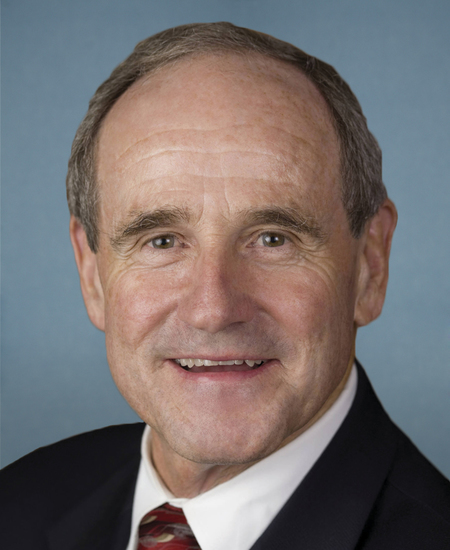
Sen. James E. Risch
Sponsored bills
Maddy summaryThis bill requires mandatory detention for certain noncitizens (aliens) charged with crimes resulting in death or serious bodily injury, specifically those who entered without inspection, had a revoked temporary visa, or fall under specific immigration categories. It directly affects noncitizens facing such criminal charges and crime victims or their families. Key provisions mandate U.S. Immigration and Customs Enforcement (ICE) to notify victims (or their families if deceased) about the alien’s identity, immigration status, custody details, and removal efforts. The bill also clarifies that these requirements do not override existing victim rights under other laws.
Maddy summaryThe Sporting Firearms Access Act of 2025 changes the federal import process for firearms and ammunition intended for sporting purposes, such as hunting, recreational target shooting, or competitions. It requires the Attorney General to decide within 90 days on import requests for such items, with automatic approval if no decision is made by then. The bill defines "sporting purposes" to include hunting, target shooting, and competitions, and prohibits denying imports of items substantially similar to firearms already in U.S. circulation. Importers denied approval can request a hearing and seek federal court review, where the government bears the burden of proving the item isn’t for sporting use.
Maddy summaryThe Defending American Sovereignty in Global Pandemics Act requires Senate approval before the U.S. can join any international pandemic agreement under the World Health Organization (WHO). It would suspend all U.S. funding to the WHO until the Senate ratifies such an agreement. This policy directly affects U.S. financial support to the WHO and the process for international health cooperation. The funding freeze would begin immediately and continue until the Senate approves the specific treaty.
Maddy summarySRES 21 is a symbolic Senate resolution designating October 10, 2025, as "American Girls in Sports Day." It recognizes the positive impact of sports on young girls and celebrates women's athletic achievements in U.S. history. The resolution specifically calls for protecting "biological women and girls" in sports and references Title IX, while noting concerns about biological males competing in women's sports. This resolution does not create new laws or policies but serves as a symbolic recognition and call to action for sports organizations.
Maddy summaryThis resolution (SRES 22) calls on the National Collegiate Athletic Association (NCAA) to change its current policy allowing biological males to compete on women’s sports teams. It demands the NCAA ban transgender-identifying males from women’s athletic rosters and require all member schools to adopt eligibility rules based solely on biological sex. The resolution asserts that this policy protects female athletes’ opportunities and safety, aligning with Title IX requirements for sex-based equality in sports. As a non-binding Senate resolution, it does not create new law but urges the NCAA to revise its standards.
Maddy summaryS 74, the Fair Play for Girls Act, requires the Attorney General to submit a report to specific congressional committees within one year of enactment. The report must analyze issues including barriers to fair competition for biological female athletes, the prevalence of biological female athletes losing opportunities when competing against biological males, and the effectiveness of state laws addressing these concerns. It also examines online harassment, sexual harassment, and abuse against women and girls in athletics, along with the effectiveness of existing laws preventing such harm. The report will include policy recommendations to address these issues, but the bill itself does not change any laws or directly affect specific groups.
Maddy summarySRES 19 is a Senate resolution honoring former President Jimmy Carter's life and legacy, commending his decades of public service, humanitarian work, and diplomatic achievements including the Camp David Accords and founding The Carter Center. The resolution specifically recognizes his Nobel Peace Prize, efforts to combat diseases like Guinea worm, and 30+ years of Habitat for Humanity homebuilding. It formally mourns his passing and extends condolences to his family, while highlighting his role in establishing U.S.-China diplomatic relations and creating the Departments of Education and Energy. As a symbolic resolution with no policy impact, it directly affects no individuals or entities but serves as a formal Senate tribute to Carter's historical contributions.
Maddy summaryThis bill authorizes one additional federal district judge position for the U.S. District Court for the District of Idaho. It requires the President to appoint the new judge, subject to Senate confirmation, to address judicial workload needs in Idaho. The bill also includes a technical update to the official staffing table in federal law to reflect the increased number of judges for Idaho. This is a procedural change affecting Idaho's federal court operations, with no direct impact on citizens or new policy requirements.
Maddy summaryThis bill would allow individuals with a valid concealed carry permit from their home state to carry concealed handguns in other states that either permit concealed carry for residents or don’t ban it entirely. It applies to permit holders who are federally eligible to possess firearms, require government-issued ID, and must follow the host state’s specific restrictions (like where carry is prohibited). The bill does not override state laws on issuing permits but ensures reciprocity for those who legally carry in their home state, excluding machineguns and destructive devices.