Maddy summaryThis resolution designates the week of January 26-February 1, 2025, as "National School Choice Week" to recognize the range of K-12 education options available to families, including public schools, charters, private schools, and homeschooling. It does not create new policies, funding, or requirements but encourages parents to learn about educational choices and promotes public awareness through events. The Senate formally acknowledges this annual observance without binding legislative action.
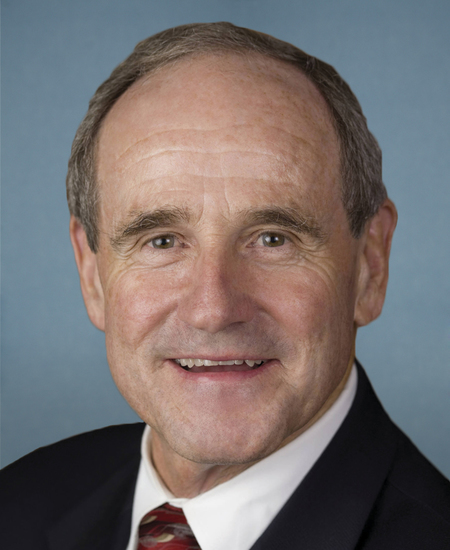
Sen. James E. Risch
Sponsored bills
Maddy summaryThe WALL Act of 2025 appropriates $25 billion for constructing a physical barrier along the southern U.S. border. It implements new Social Security number requirements for tax credits like the child tax credit and earned income tax credit, with exceptions for individuals prohibited from working in the U.S. The bill also mandates E-Verify checks for eligibility for certain federal benefits, including housing assistance, and increases civil penalties for illegal entry and overstay. These provisions directly affect immigrants seeking tax benefits, housing assistance, and those who enter the country without authorization.
Maddy summaryThis bill establishes tax credits for individuals and corporations who contribute to scholarship granting organizations that provide educational scholarships for eligible students. The individual tax credit is limited to 10% of adjusted gross income or $5,000, while corporate credits are capped at 5% of taxable income. The bill defines "eligible students" as those from households with income not exceeding 300% of the area median gross income, and specifies that scholarships can cover tuition, materials, tutoring, and educational therapies. The bill includes a $10 billion annual cap on tax credits, with a first-come, first-served allocation system, and requires scholarship organizations to meet specific financial and operational standards.
Grizzly Bear State Management Act of 2025 This bill requires the Department of the Interior to remove the Greater Yellowstone ecosystem population of grizzly bears from the list of endangered and threatened wildlife.
Laken Riley Act This act requires the Department of Homeland Security (DHS) to detain certain non-U.S. nationals ( aliens under federal law) who have been arrested for burglary, theft, larceny, shoplifting, assault of a law enforcement officer, or any crime that results in death or serious bodily injury to another person. The act also authorizes states to sue the federal government for decisions or alleged failures related to immigration enforcement. Under this act, DHS must detain an individual who (1) is unlawfully present in the United States or did not possess the necessary documents when applying for admission; and (2) has been charged with, arrested for, convicted of, or admits to having committed acts that constitute the essential elements of the above crimes. The act also authorizes state governments to sue for injunctive relief over certain immigration-related decisions or alleged failures by the federal government if the decision or failure caused the state or its residents harm, including financial harm of more than $100. Specifically, the state government may sue the federal government over a decision to release a non-U.S. national from custody; failure to fulfill requirements relating to inspecting individuals seeking admission into the United States, including requirements related to asylum interviews; failure to fulfill a requirement to stop issuing visas to nationals of a country that unreasonably denies or delays acceptance of nationals of that country; violation of limitations on immigration parole, such as the requirement that parole be granted only on a case-by-case basis; or failure to detain an individual who has been ordered removed from the United States.
Maddy summaryThis bill amends U.S. law to make the American Community Survey (ACS) truly voluntary. It removes penalties for households that refuse to answer ACS questions and requires the Census Bureau to include a clear statement on the survey itself stating participation is voluntary. The bill directly affects all households receiving the ACS, which collects detailed demographic data for communities. Key changes are: (1) eliminating civil penalties for non-response, and (2) mandating a voluntary participation notice on the survey form. These changes apply to the current ACS and any future successor survey.
Maddy summaryThe Fairness for Crime Victims Act of 2025 requires that the Crime Victims Fund - used to support victims of crime, particularly child abuse, sexual assault, and domestic violence - be maintained at or above a three-year average funding level in annual appropriations bills. It adds a procedural rule in both the Senate and House to block any provision that would reduce the fund below this average, unless the reduction is under $2 billion. This rule aims to prevent Congress from withholding funds collected from convicted criminals (which have historically been underdisbursed, with over $10 billion withheld since 2000) and ensures consistent funding for victim services. The bill does not alter the fund’s purpose but enforces existing law by requiring full disbursement of collected funds.
Maddy summaryThis concurrent resolution expresses Congress's sense that tax-exempt fraternal benefit societies - organizations providing life, health, and accident benefits to members - have historically and continue to deliver significant community benefits through charitable programs, volunteer efforts, and mutual aid. It highlights their role in addressing unmet community needs, supporting financial security for members, and contributing an estimated $3.8 billion annually in social value. The resolution affirms that their tax-exempt status under section 501(c)(8) of the Internal Revenue Code is essential to sustaining these services. As a procedural resolution, it does not create new law but formally recognizes these societies' contributions.
Maddy summaryThis bill requires abortion providers to obtain patient consent for disposal of fetal tissue after an abortion, offering options to take the tissue or have the provider arrange interment or cremation within 7 days. It mandates providers to document consent, report annual abortion statistics and disposal methods to the Health Secretary, and face penalties including up to $50,000 fines or 5 years in prison for violations. The law directly affects abortion providers (clinics and doctors) and patients undergoing abortions, with no change to abortion access itself. Key provisions include standardized consent forms, disposal requirements aligned with state laws for human remains, and annual federal reporting on abortion procedures and tissue disposal.
Maddy summaryS 199 would create special tax rules for "qualified residents of Taiwan" with income from U.S. sources. It would lower tax rates on interest, dividends, and royalties from 30% to 10% (15% for some dividends), provide tax relief for certain wages paid to Taiwan residents working in the U.S., and exempt income from entertainment or athletic activities up to $30,000. The bill establishes specific requirements for entities to qualify for these benefits, including ownership and income criteria. It also creates a process for the U.S. to negotiate a formal tax agreement with Taiwan to further address double taxation concerns.