

Maddy summaryThe Energy Utility Lobbying Ban Act requires states to adopt specific restrictions on former state regulatory officials who seek to lobby electric utilities regarding matters they previously handled. To receive full federal funding for energy programs, a state must prohibit these former employees from advocating before their former agency in cases where they had personal and substantial involvement or where the matter was pending under their responsibility within a year of their departure. The Secretary of Energy will annually review state laws to ensure compliance, withholding 10 percent of a state's financial assistance if it fails to meet these requirements, though funds are restored if the state corrects the issue in the following year. States have a 90-day cure period to remedy noncompliance and may implement the necessary restrictions through legislation, administrative rules, or binding regulatory orders.
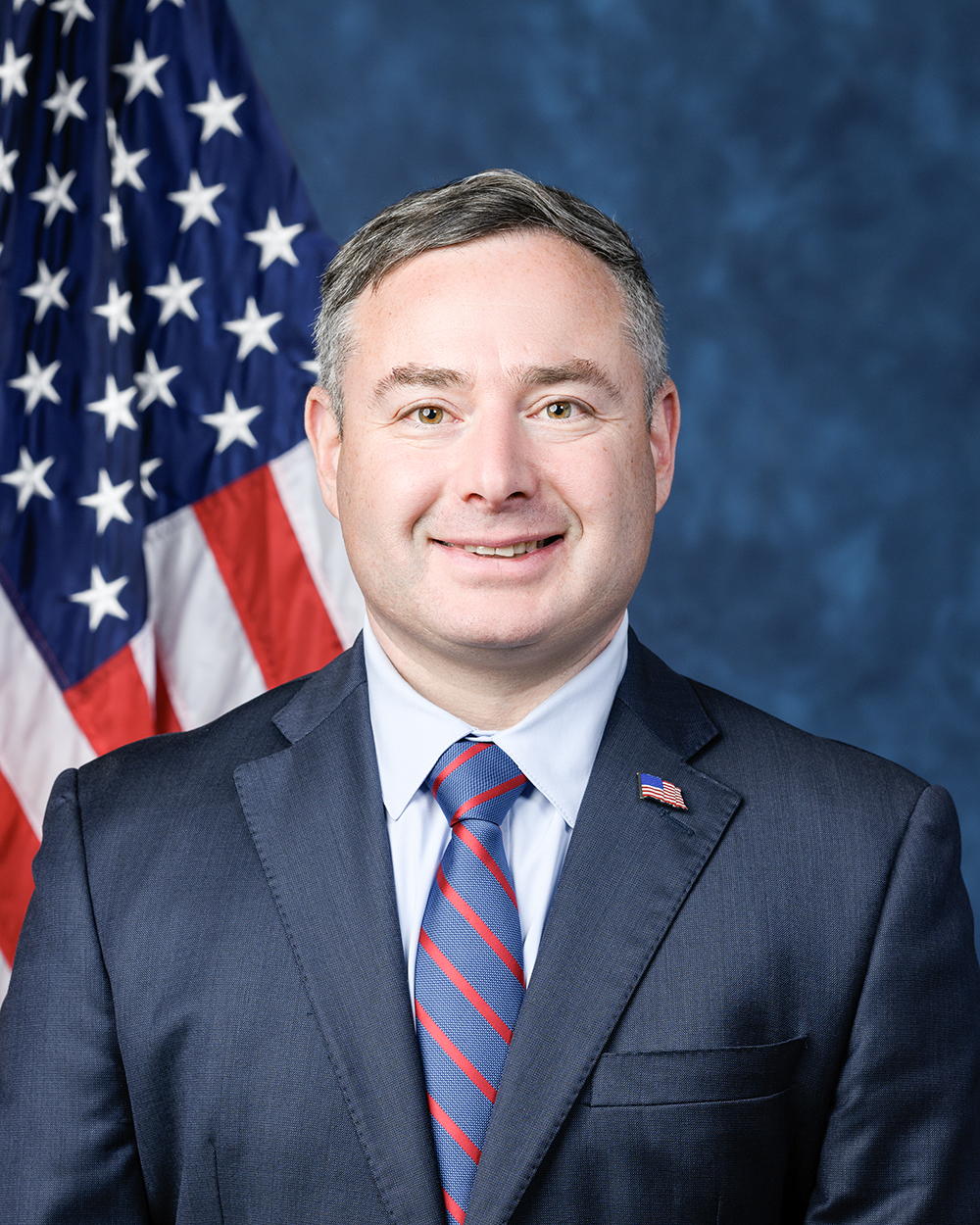
Rep. Eugene Simon Vindman
Sponsored bills
Maddy summaryThe Lindsey O. Graham Sanctioning Russia and Iran Act of 2026 imposes comprehensive economic restrictions on the Russian Federation, including blocking assets of government officials, state-owned financial institutions, and entities supporting the defense sector. The bill prohibits new U.S. investments in Russia, bans the purchase of Russian sovereign debt, and restricts the importation of uranium and energy products from the country. Additionally, it authorizes the imposition of tariffs up to 500 percent on goods imported directly from Russia and up to 100 percent on goods from foreign nations that continue to purchase significant volumes of Russian crude oil or natural gas. The legislation also extends the Iran Sanctions Act through 2031 and includes a five-year sunset provision for the new measures, subject to specific humanitarian and safety exceptions.
Maddy summaryHR 6332 designates the United States Postal Service facility at 10660 Page Avenue in Fairfax, Virginia, as the "Congressman Gerald E. Connolly Post Office Building." This bill updates all official references in federal documents, maps, and records to use the new name for this specific post office location. It does not create new policies or affect any services; it solely changes the building's official designation to honor Congressman Gerald E. Connolly. The change applies to all federal materials referencing the facility.
Maddy summaryThis bill (HR 6317) is a procedural naming resolution. It designates the U.S. Postal Service facility at 12109 New Kent Highway in New Kent, Virginia, as the "Patricia Paige Post Office." The bill updates all official U.S. government references (including laws, maps, and documents) to use the new name for this specific post office location. It does not change postal services or create new policies - it only changes the facility's official name.
Maddy summaryThis bill renames a U.S. Postal Service facility at 46164 Westlake Drive in Sterling, Virginia, as the "Firefighter Trevor Brown Post Office Building" to honor Firefighter Trevor Brown. It requires all future federal references to that specific location to use the new name. The bill affects only the postal facility's official designation and has no policy or funding provisions. (Procedural naming resolution, 2 sentences)
Maddy summaryHR 1706 designates the U.S. Postal Service facility at 1200 William Street, Room 200, in Buffalo, New York, as the "William J. Donovan Post Office Building." The bill updates all federal references in laws, maps, and documents to use this new name for the building. This is a ceremonial naming bill with no policy changes or direct impact on citizens or programs. It solely honors William J. Donovan, a notable historical figure, through official renaming of the post office location.
Maddy summaryThe Smart Data Center Policy Act directs the Secretary of Commerce to study how building data centers near military bases, airports, rail hubs, or industrial zones affects local industries. This research will evaluate construction costs, impacts on energy and water systems, which areas have the necessary infrastructure to support these facilities, and potential federal incentives for their development. The study must be completed within 180 days of the bill's enactment, with results reported to specific congressional committees. The legislation does not authorize new construction or funding but focuses on gathering information to guide future policy decisions regarding data center placement.
Maddy summaryThe RECOVER PII Act expands identity protection coverage for individuals affected by federal data breaches, extending the duration of such coverage to the remainder of their lives and increasing insurance limits to at least $5 million. It also allows federal agencies to use appropriated funds to fully reimburse employees or contractors for costs associated with privacy-enhancing services, such as software or hardware that reduces personal data risks. These changes aim to provide long-term security support and financial assistance to victims of government data incidents without specifying which agencies or individuals are directly impacted.
Wintergreen Emergency Egress Act This bill directs the Department of the Interior to issue a right-of-way through the Blue Ridge Parkway for an additional emergency exit from Wintergreen in Nelson County, Virginia, once certain requirements have been met. Specifically, Interior must grant the right-of-way if it reports to specified congressional committees that the following have been completed: (1) an evaluation of alternatives to the right-of-way for exiting Wintergreen that do not cross federal land, including an evaluation of whether existing trails can be converted to roads; (2) an analysis of expected fire ecology behavior in the event of a fire emergency with respect to the right-of-way; and (3) any required reviews under the National Environmental Policy Act of 1969 and the National Historic Preservation Act.
Maddy summaryThis resolution commemorates the 61st anniversary of the Medicare program, which was enacted in 1965 to provide health insurance for seniors and individuals with disabilities. It acknowledges the program's role in covering approximately 70 million Americans and highlights its growth from 19 million beneficiaries in 1966 to its current scale. The text honors the contributions of healthcare providers, caregivers, and government personnel who maintain the system while recognizing the program's impact on healthcare access and financial security.