

Nationwide Consumer and Fuel Retailer Choice Act of 2025 This bill amends the Clean Air Act to address the limitations on Reid Vapor Pressure (a measure of gasoline's volatility) that are placed on gasoline during the summer ozone season. Specifically, the bill applies the waiver for Reid Vapor Pressure requirements that is applicable to gasoline blended with 10% ethanol (E10) to gasoline blended with up to 15% ethanol (E15). This change allows gasoline that is blended with 10% to 15% ethanol to be sold year-round. Currently, states may be excluded from the waiver for Reid Vapor Pressure requirements by submitting documentation supporting that the waiver would increase air pollution. The bill nullifies existing state exclusions, but states may submit documentation after enactment of the bill to be excluded going forward. The bill also modifies the Renewable Fuel Standard Program, which requires transportation fuel sold or introduced into commerce in the United States to contain minimum volumes of renewable fuel. Under the existing program, obligated parties, such as small refineries, must satisfy the volume obligations by either blending renewable fuels into their gasoline or diesel fuel products or by acquiring credits that represent the required renewable fuel volume. The bill directs the Environmental Protection Agency to return compliance credits to small refineries under certain circumstances.
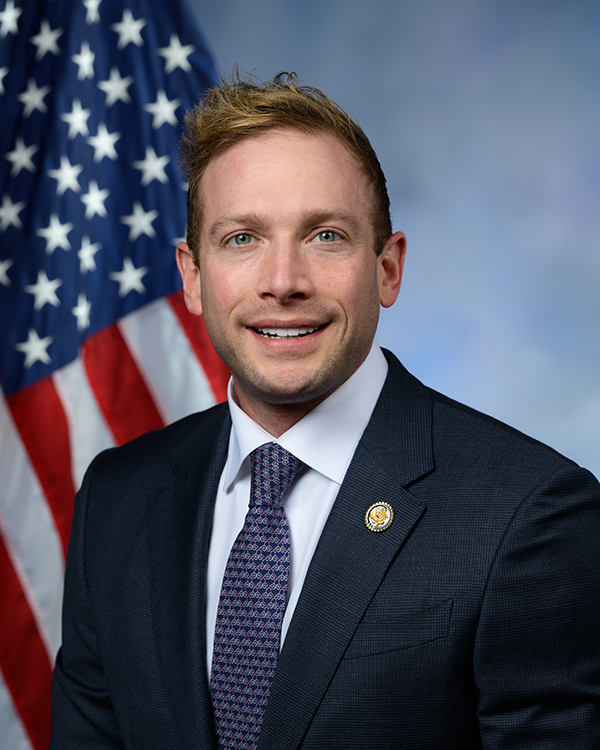
Rep. Max L. Miller
Sponsored bills
Maddy summaryThe Critical Mineral and Extraction Tax Parity Act expands a federal tax credit for advanced manufacturing to include eleven new critical minerals, such as boron, copper, and uranium, while also adding specific rules for phosphate. It allows companies that extract ore in the United States to claim these credits for the extraction costs themselves, provided they certify that the ore is refined into a qualifying mineral and sold to an unrelated buyer. Additionally, the bill removes a previous penalty that reduced tax credit amounts for metallurgical coal, ensuring these materials receive the same financial support as other critical minerals. These changes are designed to encourage domestic production and processing of essential raw materials and will take effect for minerals produced and sold after December 31, 2025.
Maddy summaryThis bill would amend federal law to strengthen penalties for organized retail crime by expanding definitions of theft to include digital goods, gift cards, and setting a $5,000 aggregate value threshold for charges over a 12-month period. It would establish a new "Organized Retail and Supply Chain Crime Coordination Center" under Homeland Security to coordinate Federal, State, local, and Tribal law enforcement efforts against cross-jurisdictional theft groups. The Center would share information with retailers, transportation companies, and law enforcement agencies, track crime trends, and produce annual reports on organized retail crime. This legislation directly affects retailers, supply chain businesses, and law enforcement agencies, while targeting organized crime groups responsible for a 93% increase in larceny incidents and rising safety concerns for retail employees. The bill aims to address significant financial losses and supply chain disruptions noted in the National Retail Federation's 2023 data.
Maddy summaryThis bill, titled the Gas Tax Relief Act, temporarily eliminates the federal excise tax on gasoline and other taxable fuels for a period of up to 215 days starting after its enactment. The tax holiday directly affects drivers and businesses that purchase fuel, removing the specific tax rates that currently apply to these purchases. To maintain federal revenue, the law requires the Treasury Secretary to transfer an amount equal to the tax savings into the Highway Trust Fund and the Leaking Underground Storage Tank Trust Fund. Additionally, the President has the authority to extend the tax suspension or gradually reintroduce the tax over time based on economic conditions.
Maddy summaryThis bill expands education and job training support for youth who have been in foster care since age 14 or older. It allows funding for apprenticeships, GED programs, and remedial education to help them earn diplomas or enter postsecondary training. The changes lower the eligibility age from 16 to 14 and extend participation time for remedial education (up to 6 years). It directly affects foster youth transitioning to adulthood by broadening access to workforce preparation programs.
Maddy summaryThis bill expands Medicaid coverage to include services in assisted living facilities for individuals who currently require hospital or nursing home care, provided they meet state income and resource limits. It also modifies the Low-Income Housing Tax Credit to give priority funding to projects that help reduce long-term medical costs for the elderly by offering care in non-institutional settings. Both changes are scheduled to take effect on January 1, 2027, allowing states time to update their laws and plans to comply with the new requirements.
Maddy summaryThe China-Africa Mining Transparency Act requires the Secretary of State to publish an annual list of Chinese-owned or controlled entities involved in mining critical minerals, gold, or iron in specific African nations. This list will identify companies and mines that are using forced labor or causing environmental damage to protected areas such as national parks and water sources. To compile this information, the State Department must rely on open-source data, reports from non-governmental organizations, and intelligence from U.S. embassies while consulting with other federal agencies. The resulting unclassified report will be made available to the public and submitted to Congress to increase transparency regarding these mining operations.
Maddy summaryHR 2424, the Modern, Clean, and Safe Trucks Act of 2025, repeals a 12% federal excise tax on new heavy trucks, tractors, and trailers. This tax currently adds significant costs - $7,000+ for trailers, $20,000+ for clean diesel trucks, and up to $50,000 for advanced technology trucks - discouraging replacement of older, less efficient vehicles. The bill directly affects truck manufacturers, dealers, and fleet operators by removing this cost barrier, making newer, cleaner models more affordable. It aims to accelerate the adoption of modern trucks with improved safety and environmental features, particularly benefiting electric and alternative-fuel vehicles that face higher upfront costs.
Maddy summaryThis bill modifies state unemployment programs to help job seekers start businesses. It removes the requirement that participants must first exhaust regular unemployment benefits before accessing self-employment assistance. States must now approve business plans or require entrepreneurial training/counseling for participants, who must also certify weekly participation. The bill also raises the cap on program participants from 5% to 10% of unemployed individuals. These changes aim to expand access to business ownership support through state unemployment systems.
Maddy summaryThis bill proposes to reverse several tax incentives for energy efficiency and clean energy that were previously extended by a 2024 law. It would end the tax deduction for energy-efficient commercial buildings, shorten the expiration date for the energy-efficient home credit, and delay the deadline for constructing clean hydrogen facilities. Additionally, the legislation would remove limits on the amount of credits available for clean electricity production and change how the phase-out of these credits is triggered. These changes directly affect property owners, builders, and businesses that currently rely on these specific tax breaks to fund green projects.