

Maddy summaryThe Power for the People Act of 2026 requires the Federal Energy Regulatory Commission to create a special approval process for data centers, which are defined as facilities using more than 50 megawatts of electricity. Under this system, data centers must offset their energy consumption by bringing their own clean power sources to the grid or agreeing to flexible power usage that can be reduced when needed. The bill also directs states to establish separate electricity rates for data centers so these facilities pay their full share of grid upgrade costs rather than spreading those expenses across all customers. Additionally, the legislation mandates that data center construction use prevailing wages and registered apprenticeship programs, while requiring greater transparency in how data center energy demands are forecasted and approved.
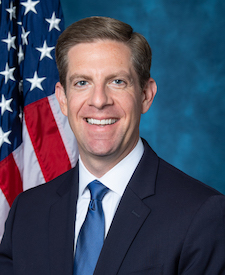
Rep. Mike Levin
Sponsored bills
Maddy summaryThis bill would amend the Commodity Exchange Act to ban registered trading platforms from listing or clearing contracts related to war, assassination, terrorism, or individual deaths. It directly affects event trading systems and financial exchanges by prohibiting them from offering bets on these specific topics. The law requires the Commodity Futures Trading Commission to determine what counts as similar activities, giving regulators authority to define the scope of the ban. This change would prevent financial markets from facilitating wagering on violent events or personal tragedies.
Maddy summaryHR 8135, the Cost-of-living Emergency Act, declares a 180-day emergency to address high living costs affecting U.S. households earning below the median income. The bill directs the Council of Economic Advisers to analyze affordability issues and establish a White House Cost Cutting Council with six Special Advisors focused on specific cost areas like food, housing, and healthcare. It also creates a Joint Task Force on Consumer Costs to enforce price gouging laws and requires agencies to assess how regulations impact household budgets. Additionally, the act establishes a bipartisan Cost-of-Living Commission in Congress to study long-term solutions and submit policy recommendations before the emergency expires.
Maddy summaryThe Plug Offshore Wells Act requires the Secretary of the Interior to submit an annual report to Congress and make it publicly available. This report will detail the status of decommissioning offshore oil and gas wells, platforms, and pipelines. It must include information on the number of decommissioning applications received, instances where decommissioning deadlines were missed, and the status of enforcement actions by the Bureau of Safety and Environmental Enforcement. The report will also specify the number of wells and platforms approved for decommissioning in place, and the lengths of pipelines either decommissioned in place or fully removed.
Love Lives On Act of 2025 This bill extends entitlement for various benefit programs and services for surviving spouses of deceased members of the Armed Forces or veterans. The bill provides that the remarriage of a surviving spouse must not bar the furnishing of dependency and indemnity compensation or special pension benefits to such spouse. Additionally, the Department of Defense may not terminate the payment of an annuity for a surviving spouse under the Survivor Benefit Plan solely because the surviving spouse remarries. The bill also expands the definition of a dependent under TRICARE to include a remarried widow or widower whose subsequent marriage has ended due to death, divorce, or annulment.
Maddy summaryHR 5639, the Co-Location Energy Act, allows the Secretary of the Interior to permit solar and wind energy development on existing federal energy leases for oil, gas, coal, or geothermal projects. It requires leaseholder consent before evaluating or issuing permits for renewable energy systems on these leased areas. The bill mandates the Secretary to determine within 180 days whether such renewable projects qualify for simplified environmental reviews under the National Environmental Policy Act. This legislation directly affects federal leaseholders and renewable energy developers seeking to co-locate projects on currently leased federal lands.
Maddy summaryThe Military Financial Literacy Act of 2026 expands personalized financial and housing counseling services for members of the Armed Forces. It requires the Department of Defense to establish a one-on-one counseling program within one year that covers credit management, budgeting, anti-predatory lending, rental planning, VA home loans, and legal protections under the Servicemembers Civil Relief Act. The program must partner with HUD-approved, tax-exempt Veteran Service Organizations that have expertise in financial literacy and housing stability. The Secretary of Defense must submit a report to Congress within two years detailing the number of service members who received counseling, completion rates, and indicators of financial stress or housing instability among participants.
Maddy summaryThis bill would eliminate interest on all existing and future Federal student loans starting in 2026, directly affecting current borrowers and future students. It requires the Department of Education to automatically modify eligible Federal Direct loans to stop interest accrual and allows borrowers to refinance other Federal loans into zero-interest consolidation loans without origination fees. The legislation also creates a new Education Affordability Trust Fund that would use loan repayments to fund these interest-free loans and potentially provide additional Pell Grants, while establishing a six-member board to oversee investments in government bonds.
Maddy summaryHR 7522, the Improving Access to Nutrition Act of 2026, removes work requirements from the Supplemental Nutrition Assistance Program (SNAP). It directly affects approximately 6.1 million SNAP recipients currently subject to these requirements, including people with health issues, Black Americans disproportionately impacted by such rules, families with children, and individuals experiencing homelessness. The bill amends the Food and Nutrition Act of 2008 by striking subsection (o) and related provisions that mandate work requirements for SNAP eligibility. This change would eliminate a barrier that studies show reduces participation without reducing poverty and increases administrative burdens. The bill does not create new benefits but removes an existing eligibility requirement affecting vulnerable populations.
Maddy summaryThe Energy Bills Relief Act aims to lower household energy costs and accelerate the development of low-cost, clean energy by modifying federal tax credits, expanding weatherization programs, and streamlining permitting processes. Key provisions include restoring tax incentives for renewable energy projects, increasing funding for low-income heating assistance, and requiring federal agencies to treat wind, solar, and storage projects with the same procedural fairness as oil and gas projects. The bill also establishes new incentives for upgrading the electricity grid, such as tax credits for transmission lines and grants for wildfire prevention measures, while creating mechanisms to ensure utilities serve public interests and protect consumers from price volatility.