Maddy summaryThis bill is a non-binding resolution that expresses the House of Representatives' sentiment to honor public servants for their dedication to the United States. It specifically acknowledges the work of federal, state, and local government employees, as well as uniformed service members, who deliver essential services and support the economy. The resolution calls on the American public to observe Public Service Recognition Week with ceremonies and activities that recognize these contributions. Because it is a symbolic expression of the House's feelings rather than a law with enforceable rules, it does not create new policies or mandate specific actions.
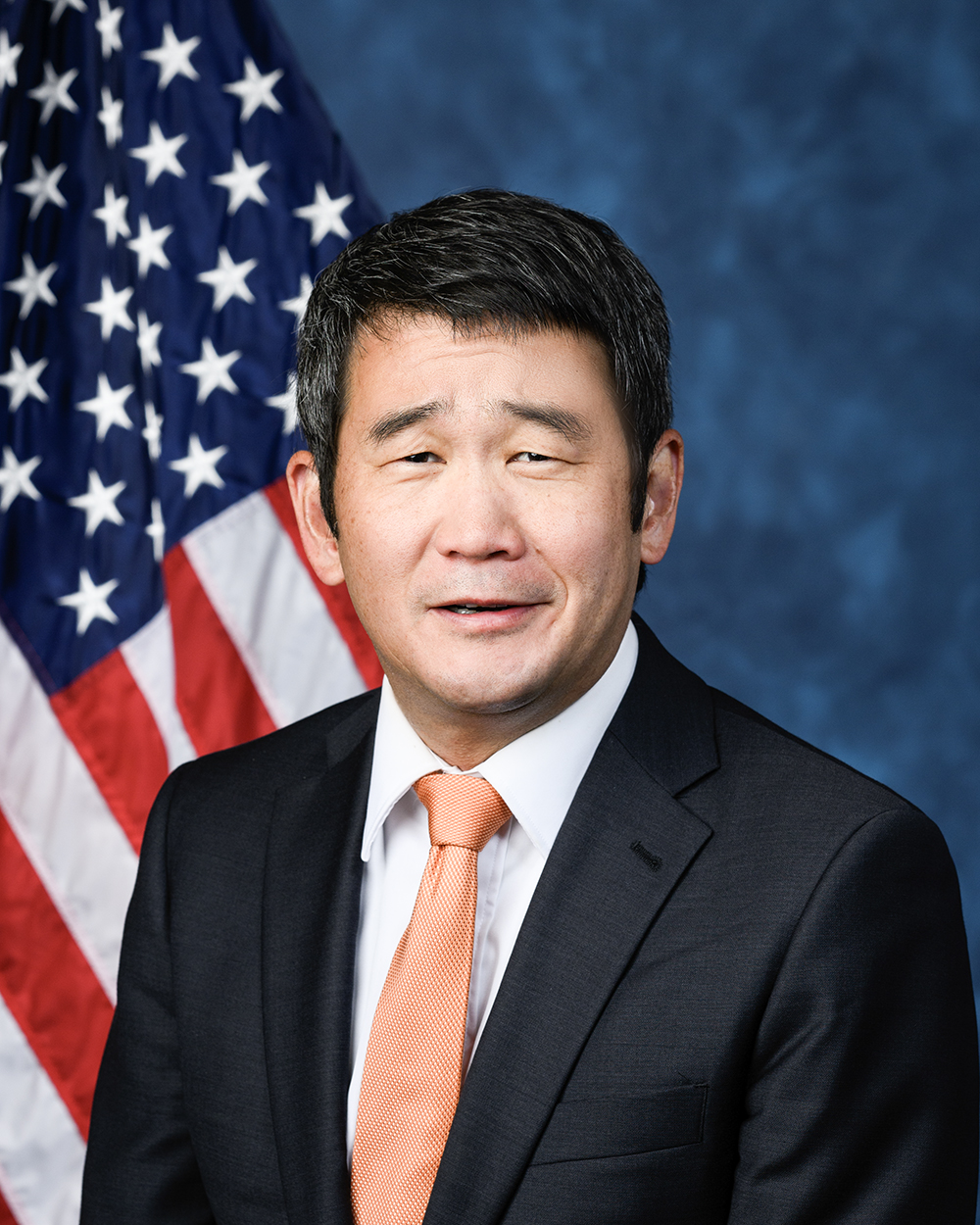
Rep. Dave Min
Sponsored bills
Maddy summaryH.R. 1243 is a House resolution that formally recognizes May as Asian American, Native Hawaiian, and Pacific Islander Heritage Month to celebrate the contributions of these communities to U.S. history. The bill highlights the diverse populations, historical milestones, and significant achievements of Asian Americans, Native Hawaiians, and Pacific Islanders in government, the military, and society. It also acknowledges the ongoing challenges faced by these groups, including a rise in hate crimes and historical discrimination. As a commemorative resolution, the measure does not create new laws or funding but serves to express official congressional appreciation and awareness.
Maddy summaryThis resolution commemorates the 51st anniversary of the Fall of Saigon on April 30, 1975, and the subsequent day known as Black April. It formally acknowledges the historical events of that date, including the displacement of millions of Vietnamese people and the U.S. military's evacuation efforts. The document honors the contributions of Vietnamese Americans to the United States and reaffirms support for democracy and human rights in Vietnam. Additionally, it pays tribute to the service and sacrifice of U.S. and South Vietnamese military personnel who fought during the Vietnam War.
Maddy summaryThe Honor Our Commitment Act of 2026 prevents the government from detaining or deporting specific Vietnamese nationals who entered the United States on or before July 12, 1995, and have lived there continuously. This protection applies to individuals with existing deportation orders, though it does not cover those who pose a security threat or face extradition. The Department of Homeland Security must grant these individuals work authorization and notify them of their rights within 60 days of the law taking effect. Finally, the bill allows people harmed by violations of these rules to seek legal relief in federal court.
Maddy summaryThis resolution directs the House Committee on Oversight and Government Reform to take legal action in federal court to enforce a subpoena issued to Attorney General Pamela Bondi. The specific goal is to obtain a court order requiring Bondi to provide deposition testimony and documents related to the government's handling of sex trafficking cases and the Jeffrey Epstein investigation. The House Office of General Counsel is authorized to represent the committee in these proceedings and may hire additional private lawyers to assist. If the committee initiates or intervenes in the lawsuit, it must report its actions to the full House of Representatives as soon as possible.
Maddy summaryThis bill directs the Commander of the United States Space Command to submit a feasibility report to Congress within one year regarding the potential expansion of the Multinational Force Operation Olympic Defender to include allies like Japan and South Korea. The report must detail current efforts, identify necessary policy or funding changes for these nations to join, and assess how such an expansion would impact U.S. national security interests. Additionally, the legislation requires an evaluation of whether inviting these countries to the force is practical and aligns with American national interests, while also outlining any new resources needed from government branches to facilitate this move.
Maddy summaryThis bill, titled the Protecting Human Rights and Public Health in Foreign Assistance Act, aims to cancel specific regulations issued by the Department of State. It directly affects the federal government by prohibiting any department or agency from enforcing, implementing, or proposing rules related to protecting life, combating discriminatory equity ideology, and combating gender ideology in foreign aid programs. The legislation treats these cancelled rules as if they never existed, effectively nullifying their impact on future foreign assistance policies.
Maddy summaryHR 2488 designates the U.S. Postal Service facility at 3817 Marysville Boulevard in Sacramento, California, as the "Grantland Johnson Post Office." This bill updates all federal references in laws, maps, and documents to use the new name for that specific location. It directly affects the postal service facility and any federal records mentioning it. The bill is purely procedural, with no policy changes or financial impacts beyond the name designation.
Maddy summaryThis resolution expresses support for designating April as Sikh History Month to honor the history, culture, and contributions of the Sikh community. The measure highlights key Sikh principles such as equality, honest labor, and community service, noting that April often coincides with the significant festival of Vaisakhi. By encouraging schools and public institutions to host educational events, the bill aims to increase awareness of Sikh heritage and reduce misunderstandings about the faith. Ultimately, this non-binding resolution serves as a formal recognition of the Sikh community's role in American society rather than creating new legal requirements.
Maddy summaryThe Investing in the American Dream Act expands eligibility for Small Business Administration loans to include small businesses owned by certain non-citizens. Specifically, it allows businesses to qualify if they are at least 51 percent owned and controlled by individuals who are lawfully present in the United States and authorized to work, such as refugees, asylees, permanent residents, and specific nonimmigrant visa holders. The bill also permits businesses owned by individuals living outside the United States to apply for these loans. This change aims to broaden access to federal financial support for small enterprises by removing previous restrictions based on the citizenship or permanent residency status of the business owners.